Sustainability Integrated into Core Retail Operations: 2026 Taiwan Sustainable Retail Forum & Awards
Sustainability Integrated into Retail Operations
2026 Taiwan Sustainable Retail Forum & Awards Ceremony Honors Industry Leaders
2026 Taiwan Sustainable Retail Management Forum & Awards Ceremony
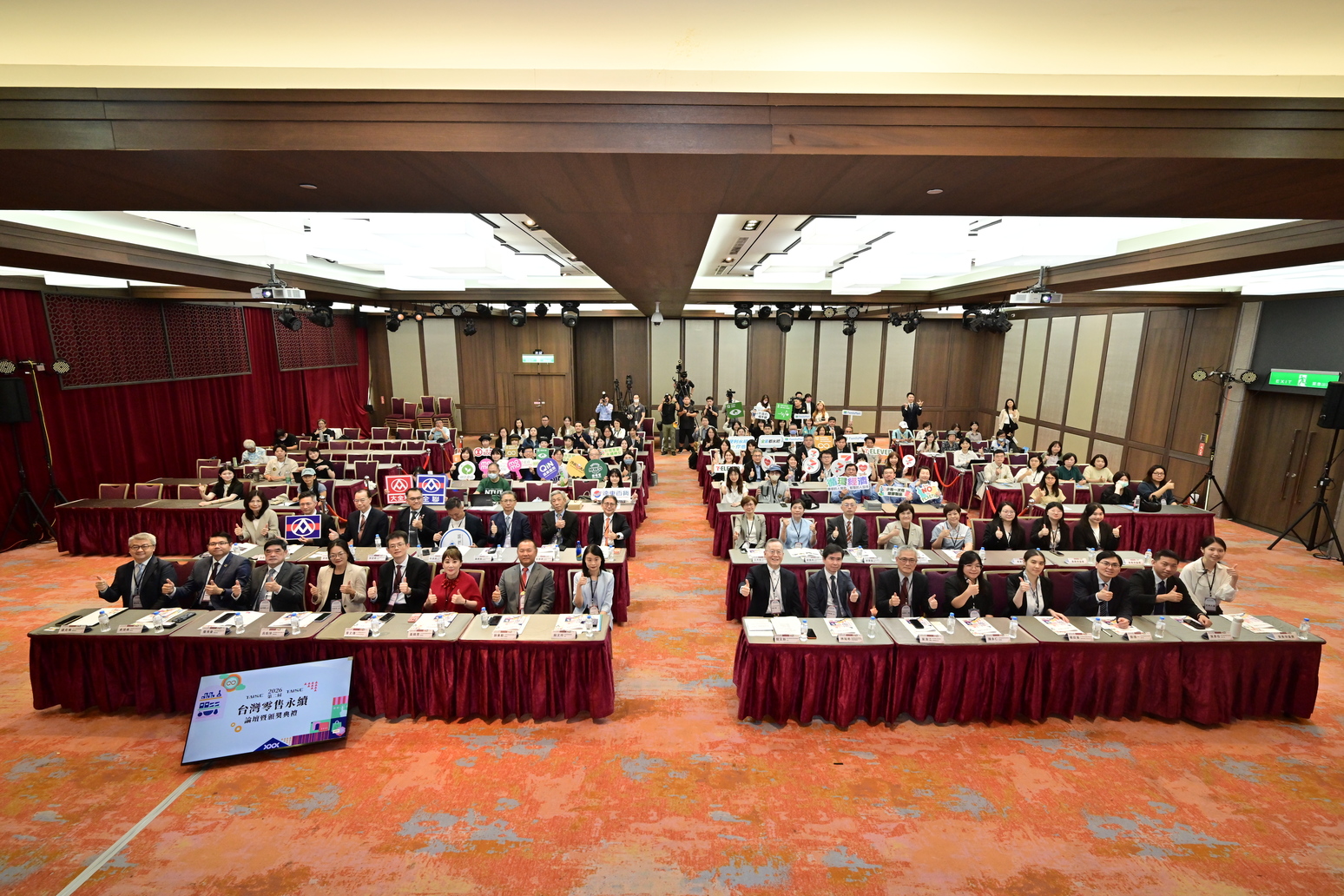
The Taiwan Institute for Sustainable Energy (TAISE) held the “2026 Taiwan Sustainable Retail Forum & Awards Ceremony” at the NTUH International Convention Center. Through award recognition and forum exchanges, the event focused on key issues including energy management, circular packaging, low-carbon logistics, AI applications, supply chain collaboration, and frontline retail implementation, showcasing the tangible achievements of Taiwan’s retail industry in transforming sustainability from advocacy into operational practice.
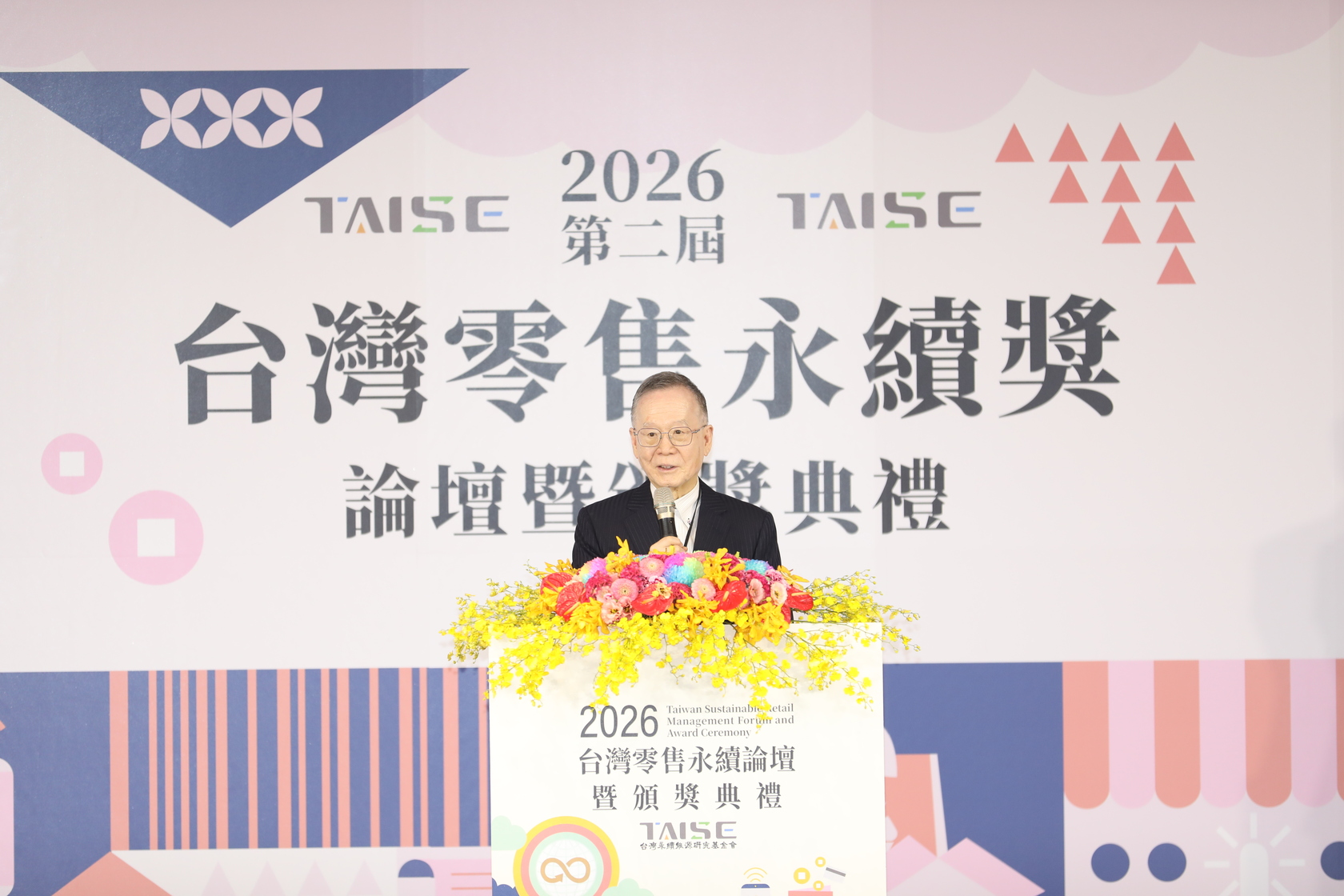
TAISE Chairman Ambassador Chien stated that international retail sustainability development in 2026 has evolved from compliance requirements into a core operational strategy and source of business competitiveness. Facing climate risks, regulatory standards, and global supply chain challenges, enterprises are accelerating the integration of AI, data governance, and sustainability goals, making sustainability not only a corporate responsibility, but also a critical foundation for enhancing resilience and market competitiveness.
Honoring Benchmark Enterprises — Store Category Included for the First Time
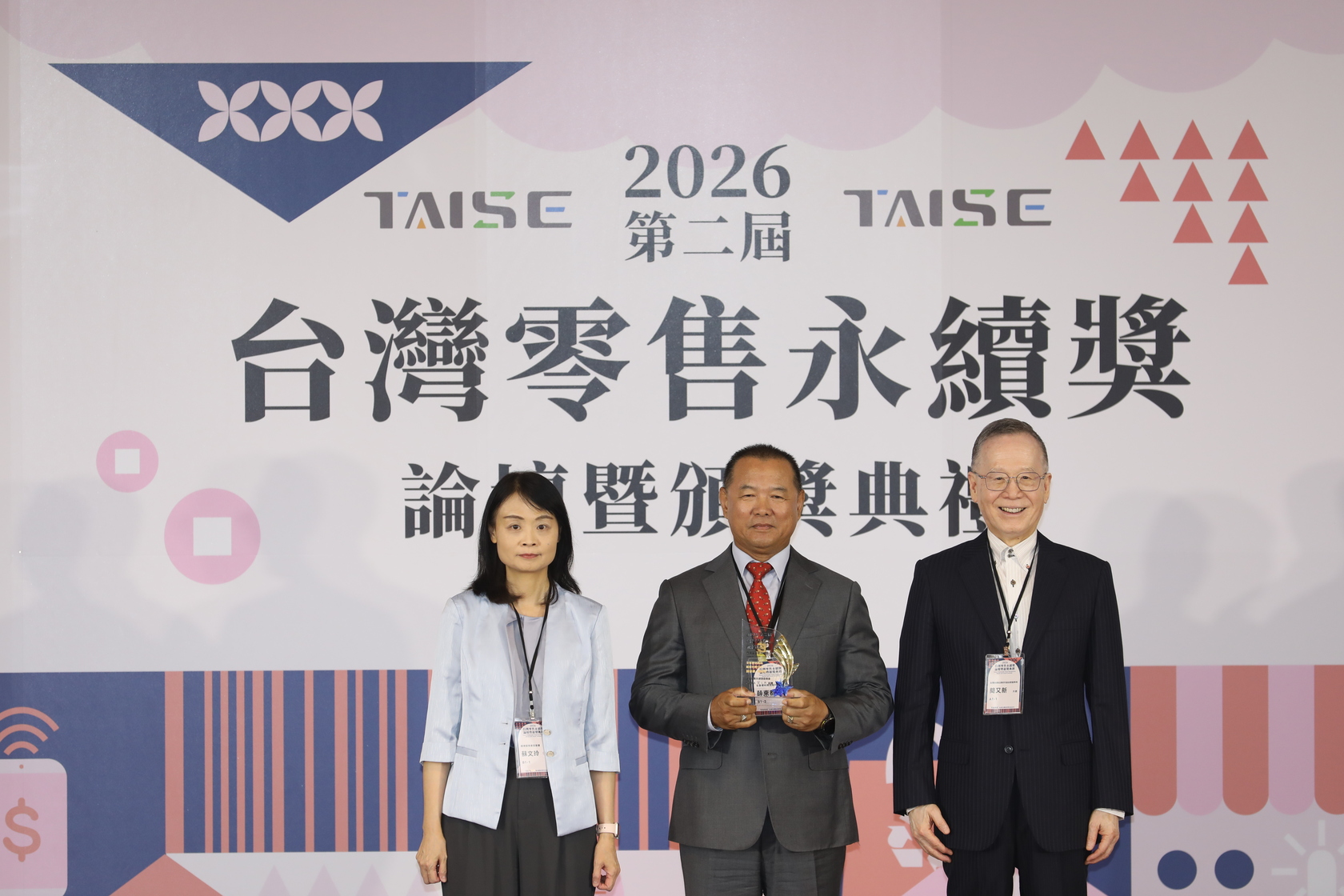
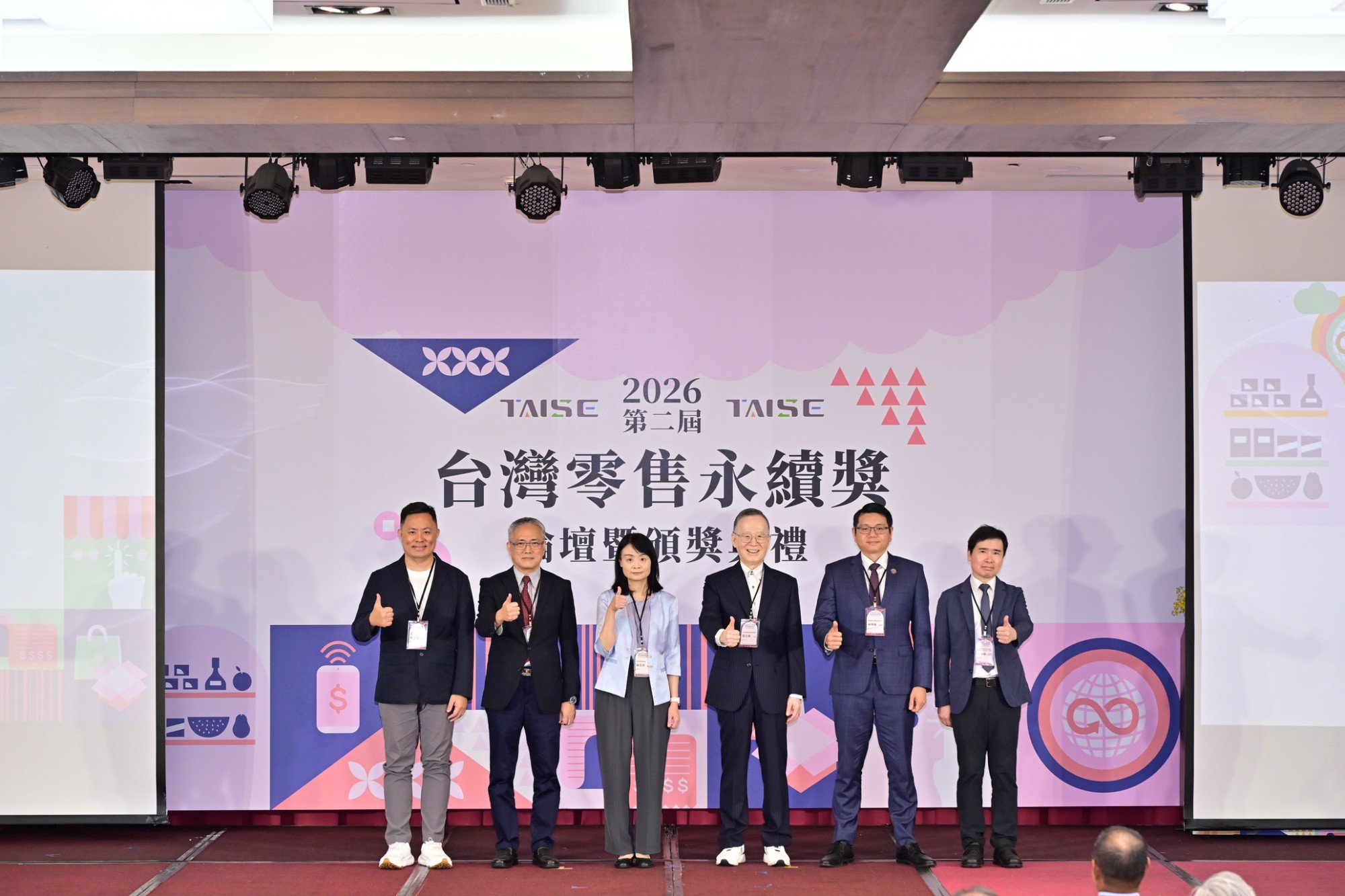
The Taiwan Sustainable Retail Awards entered its second edition this year. In addition to recognizing corporate headquarters governance, operational innovation, and ESG overall performance, a new “Sustainable Retail Operations Award — Store Category” was introduced for the first time, encouraging enterprises to implement sustainability policies from headquarters systems to frontline service locations. This year’s Outstanding Individual Awards were presented to Mr. Hsueh, General Manager of FamilyMart, and Ms. Hung, Design Director of Da Ai Technology, recognizing their contributions to sustainability governance, cross-sector collaboration, circular design, and recycled material applications.
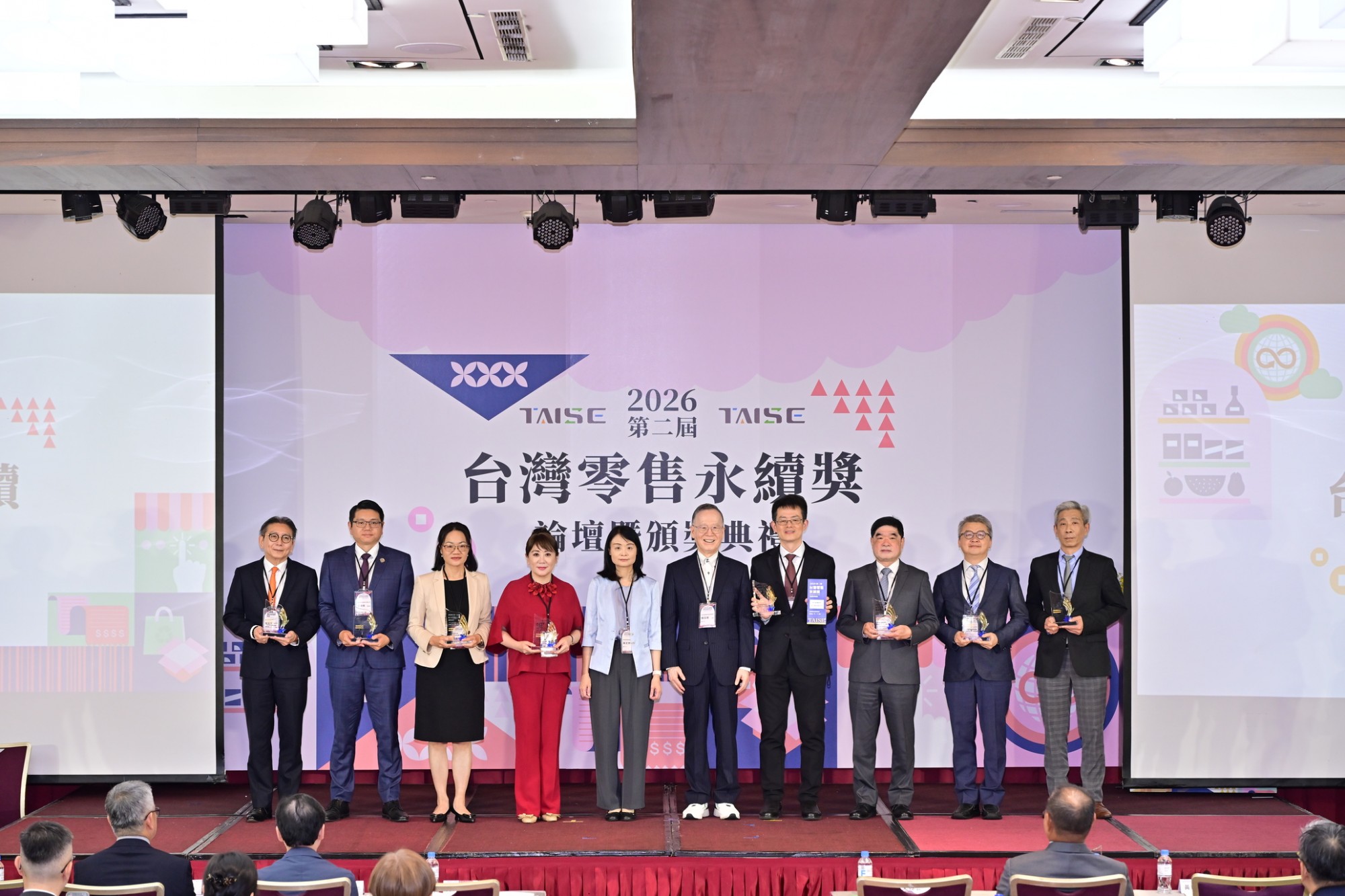
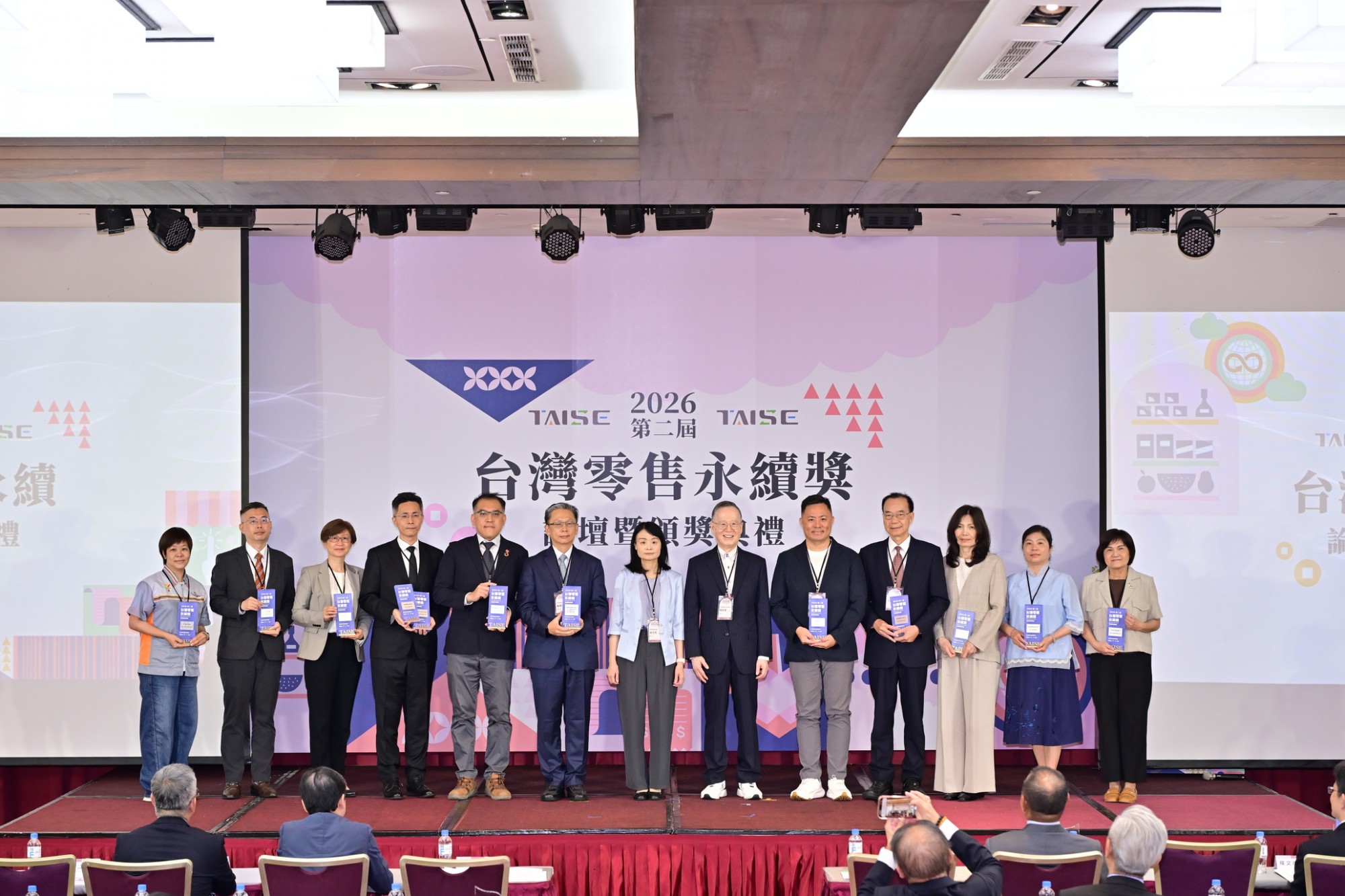
Among the corporate awards, Far Eastern SOGO delivered the most outstanding performance, receiving seven awards and becoming the only company this year to earn the “Retail ESG Overall Performance Award — Excellence.” President Chain Store and FamilyMart also demonstrated comprehensive sustainability strategies across supply chain management, operations, innovation, and partnership collaboration. Momo.com Inc. received the “Retail ESG Overall Performance Award — Model,” highlighting how sustainable retail has expanded from physical channels into e-commerce and digital retail sectors.
AI, Data, and Circular Business Models Become Key Drivers of Transformation
During the keynote session of the forum, Director-General Su of the Department of Commerce Development, Ministry of Economic Affairs, delivered a presentation titled “Smart Retail Sustainable Development,” emphasizing that the retail industry is facing multiple challenges including rising costs, technological innovation, sustainability requirements, and labor shortages. Enterprises must strengthen precision operations through AI and data governance. The government will also support the service industry’s net-zero transformation through measures such as energy-saving diagnostics, equipment replacement subsidies, low-carbon business model guidance, and green finance initiatives.
Professor Yeh from the Department of Business Administration at National Taipei University of Business analyzed how the global retail industry is entering a new stage of circular economy, digital product passports, AI-powered smart supply chains, and low-carbon logistics. He emphasized that the future key to retail sustainability is not turning sustainability into premium-priced products, but making sustainability an accessible, affordable, and verifiable everyday choice through business models, data transparency, and convenient design.
Corporate Case Studies Showcase Diverse Sustainability Practices
In the award-winning corporate case sharing session, Far Eastern SOGO highlighted energy conservation, sustainable consumption, and circular business models as its core strategies. The company established the retail industry’s only voluntary carbon reduction alliance, connecting 770 brands in carbon reduction initiatives in 2025, and repurposed approximately 1.5 tons of old uniforms into eco-friendly food trays, demonstrating the department store sector’s practical implementation of circular economy principles.
Formosa Smart Energy Tech adopted a dual-cycle model of “Source Reduction × Circular Regeneration,” integrating Refill smart refill stations and the ECOCO smart recycling platform to connect refill, recycling, rewards points, and repurchase processes, making plastic reduction and carbon reduction measurable and scalable retail services.
YoungQin International shared how its breakfast brand MWD has promoted carbon footprint verification, clean label certification, Rainforest Alliance-certified beverages, and 98% local sourcing, demonstrating how food retail businesses can integrate health, low-carbon operations, and local supply chains into daily operations.
Advancing Together Toward a New Era of Low-Carbon Retail
Through policy perspectives, international trends, and corporate case studies, the forum presented a shared direction for sustainable retail development: improving efficiency through technology, reducing waste through circularity, building trust through transparency, and expanding influence through frontline retail stores and consumer participation. TAISE stated that it will continue to encourage more retail enterprises to integrate sustainability into core operations through awards, forums, and industry exchange platforms, jointly advancing Taiwan’s retail industry toward a new era of low-carbon development, resilience, and shared prosperity.