2026 Taiwan Sustainable Building Forum Honors Sustainability Leaders
Building Toward a Near-Zero Carbon Future
2026 Taiwan Sustainable Architecture Forum Honors Sustainability Leaders
2026 Taiwan Sustainable Architecture Forum & Awards Ceremony
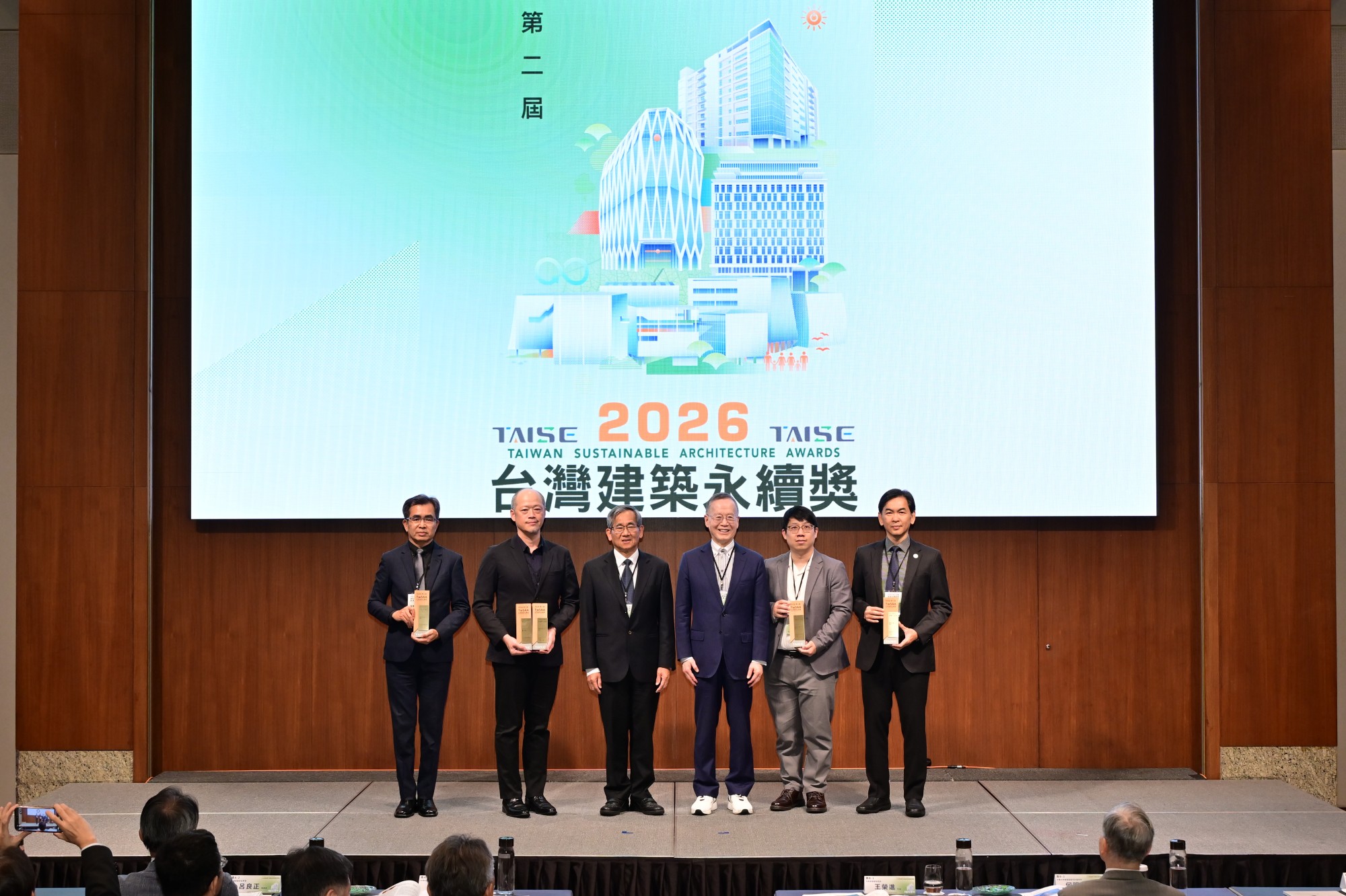
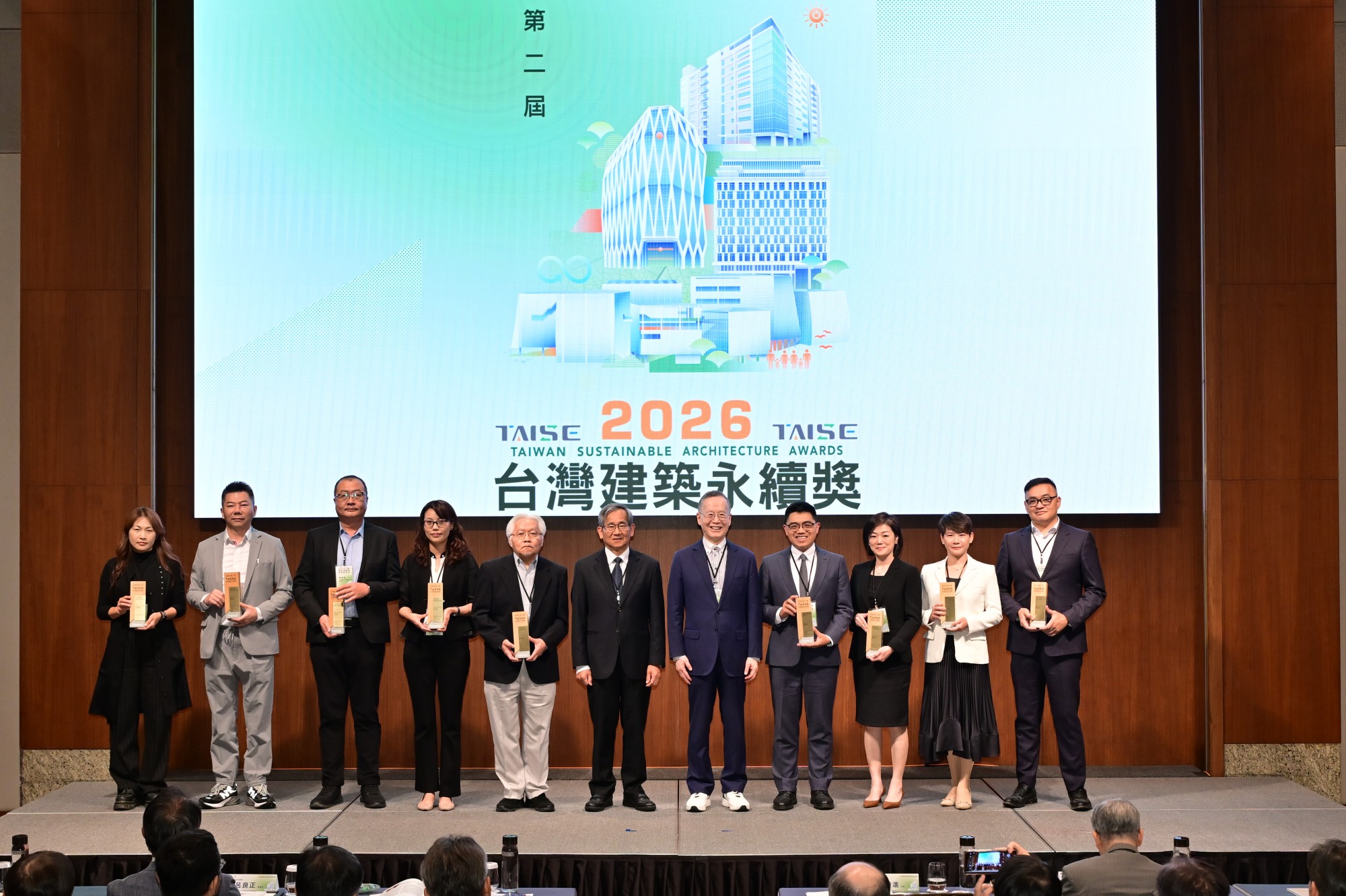
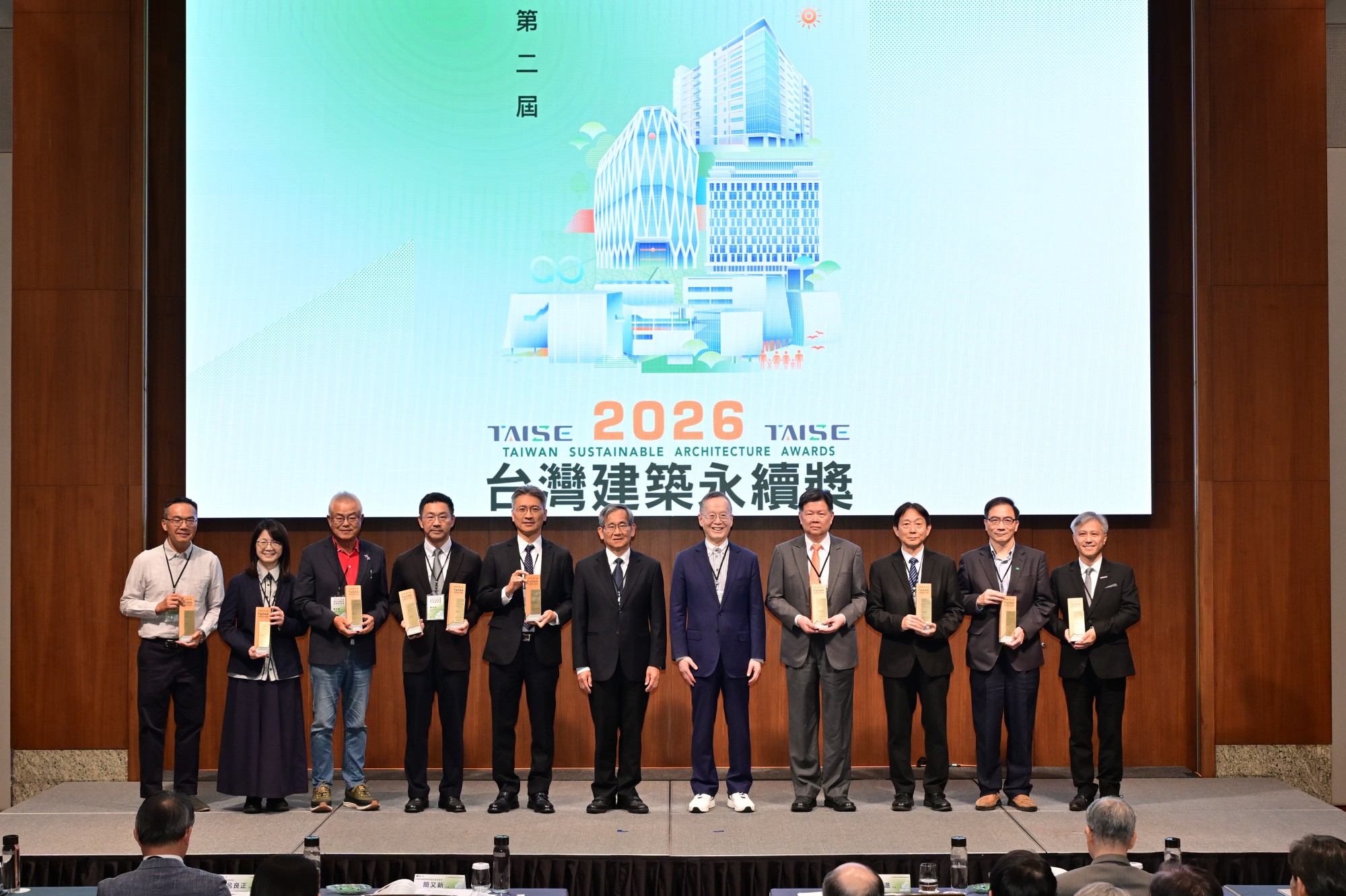
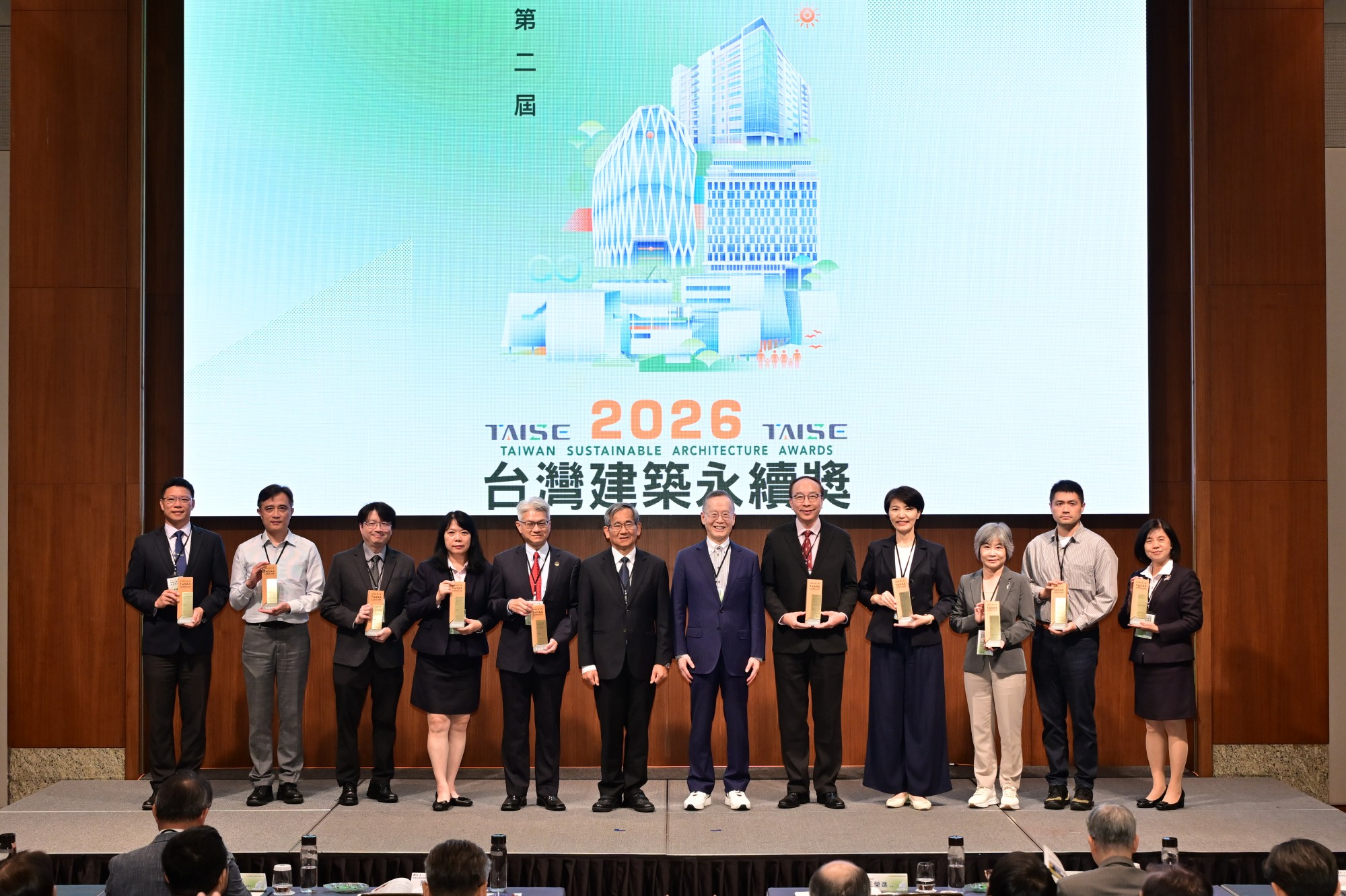
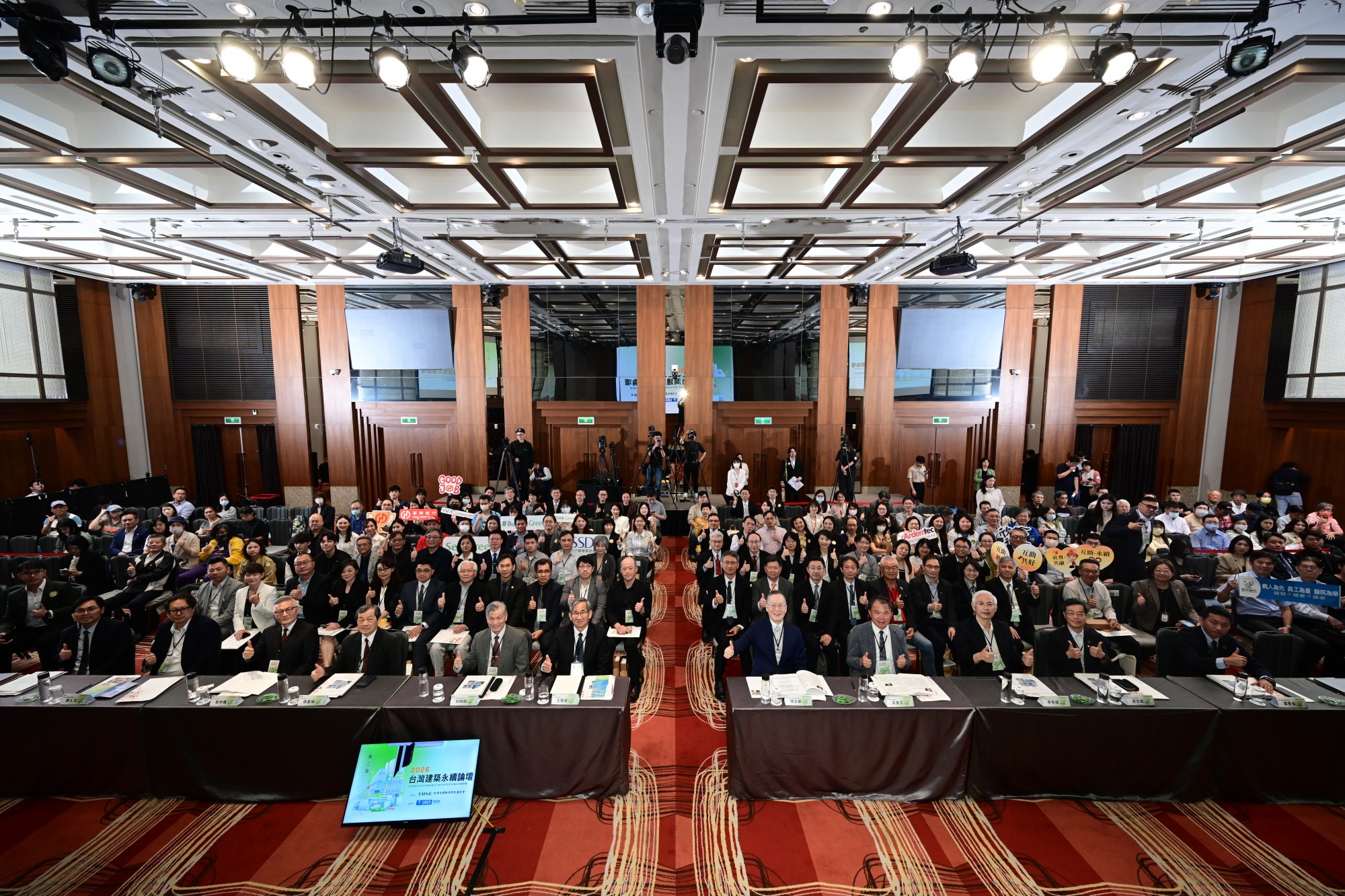
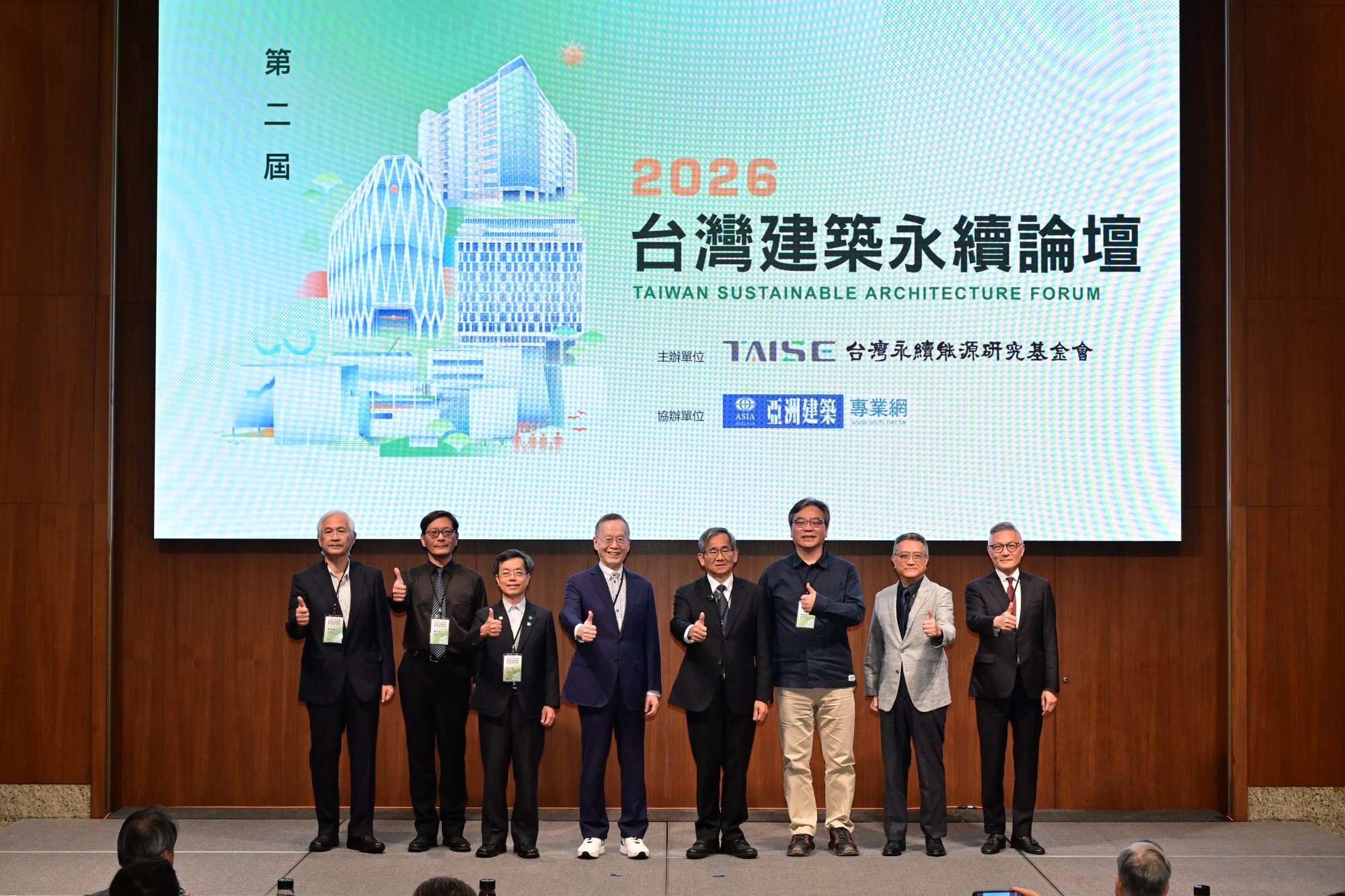
Organized by the Taiwan Institute for Sustainable Energy (TAISE), the 2026 2nd Taiwan Sustainable Architecture Forum & Awards Ceremony was held at Shangri-La Far Eastern Taipei. The event brought together representatives from government agencies, architectural design, construction and development, technology manufacturing, finance and insurance, and public infrastructure sectors to explore pathways for Taiwan’s building industry toward near-zero carbon, smart technologies, and circular sustainability. In addition to presenting the Individual Contribution Awards, ESG Comprehensive Performance Awards, and Sustainable Architecture Awards, the event also highlighted the overall progress of sustainable architecture through policy discussions and benchmark case sharing, covering institutional promotion, architectural planning, and operational management.
Buildings as a Key to Net-Zero: Sustainability Value Must Be Reflected in Market Mechanisms
TAISE Chairman Ambassador Chien pointed out that approximately one-third of global carbon emissions are related to construction and buildings, highlighting that the building sector is not only the foundation of urban development but also a critical factor in achieving net-zero transformation. He emphasized that sustainable buildings should no longer be viewed merely as additional costs. Instead, market signals such as “green premiums” and “brown discounts” should provide more appropriate value recognition for energy-efficient, low-carbon, and environmentally friendly buildings, thereby driving industrial investment and consumer choice.
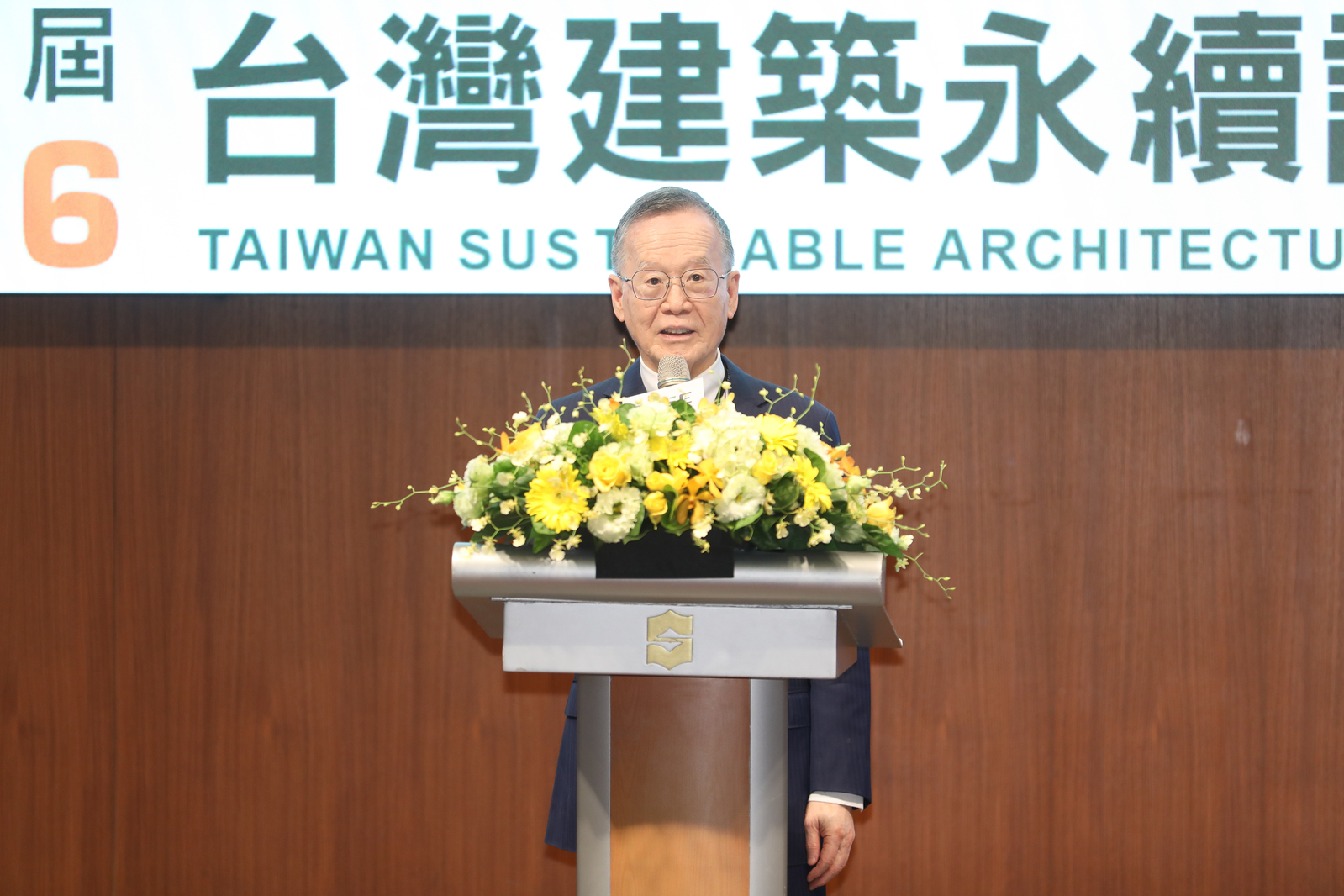
Ambassador Chien further highlighted that Taichung City demonstrated particularly strong performance in this area, showcasing how local governments can utilize public buildings as demonstration projects to enhance regional sustainability governance and urban resilience.
Near-Zero Carbon Building Policies Accelerate Implementation as Public Building Energy Efficiency Goals Advance Ahead of Schedule
Wang, Director-General of the Architecture and Building Research Institute, Ministry of the Interior, stated that Taiwan has been promoting a three-stage transformation strategy for the building sector in alignment with the 2050 Net-Zero Pathway, signifying that Taiwan’s building energy efficiency policies are transitioning from pilot demonstrations into the institutional implementation phase. Regarding policy tools, Wang noted that future efforts will continue integrating cross-ministerial resources, including ESCO and appliance subsidy programs from the Ministry of Economic Affairs, green finance initiatives from the Financial Supervisory Commission, tax incentives from the Ministry of Finance, and carbon fee mechanisms from the Ministry of Environment. These integrated measures aim to create a comprehensive policy framework combining financial incentives, technical services, and market information to support building energy efficiency and carbon reduction.
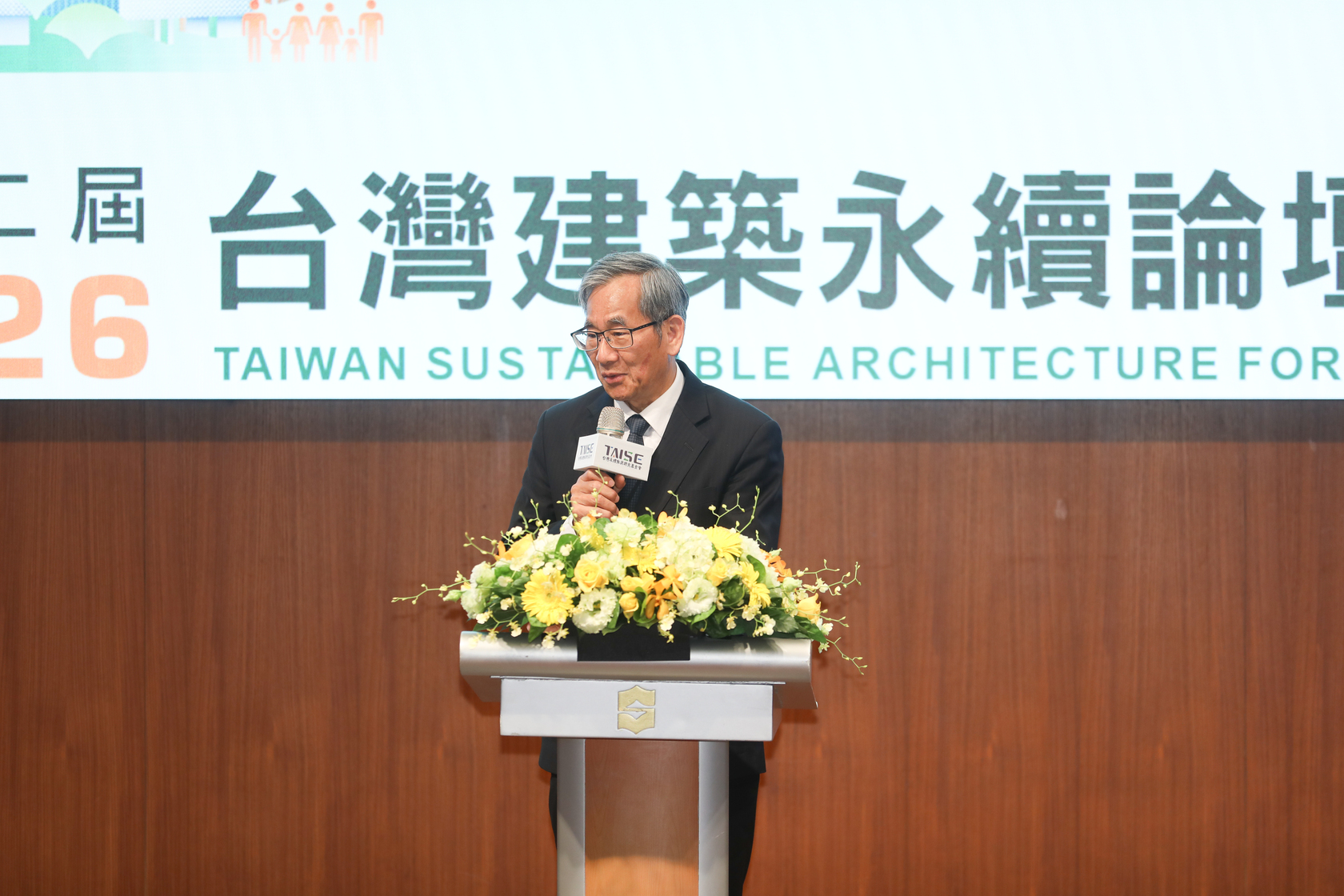
Wang further explained that Taiwan’s near-zero carbon building policy will focus on four key strategies: “Efficiency, Generation, Storage, and Smart Control.” These strategies aim to promote energy-efficient design, renewable energy integration, energy storage systems, and intelligent control technologies, gradually advancing toward near-zero carbon buildings. Building energy efficiency labels will also become mandatory information in real estate transactions and leasing, enabling consumers, investors, and financial institutions to better understand building energy performance and strengthen market support for high-efficiency buildings. Furthermore, starting from August 2026, all newly constructed, expanded, or renovated buildings exceeding 1,000 square meters will be required to install solar photovoltaic systems, signifying that buildings will no longer merely consume energy but will also become part of decentralized urban energy systems.
Digital Twin Technology and International Evaluation Standards Drive Whole-Life-Cycle Building Management
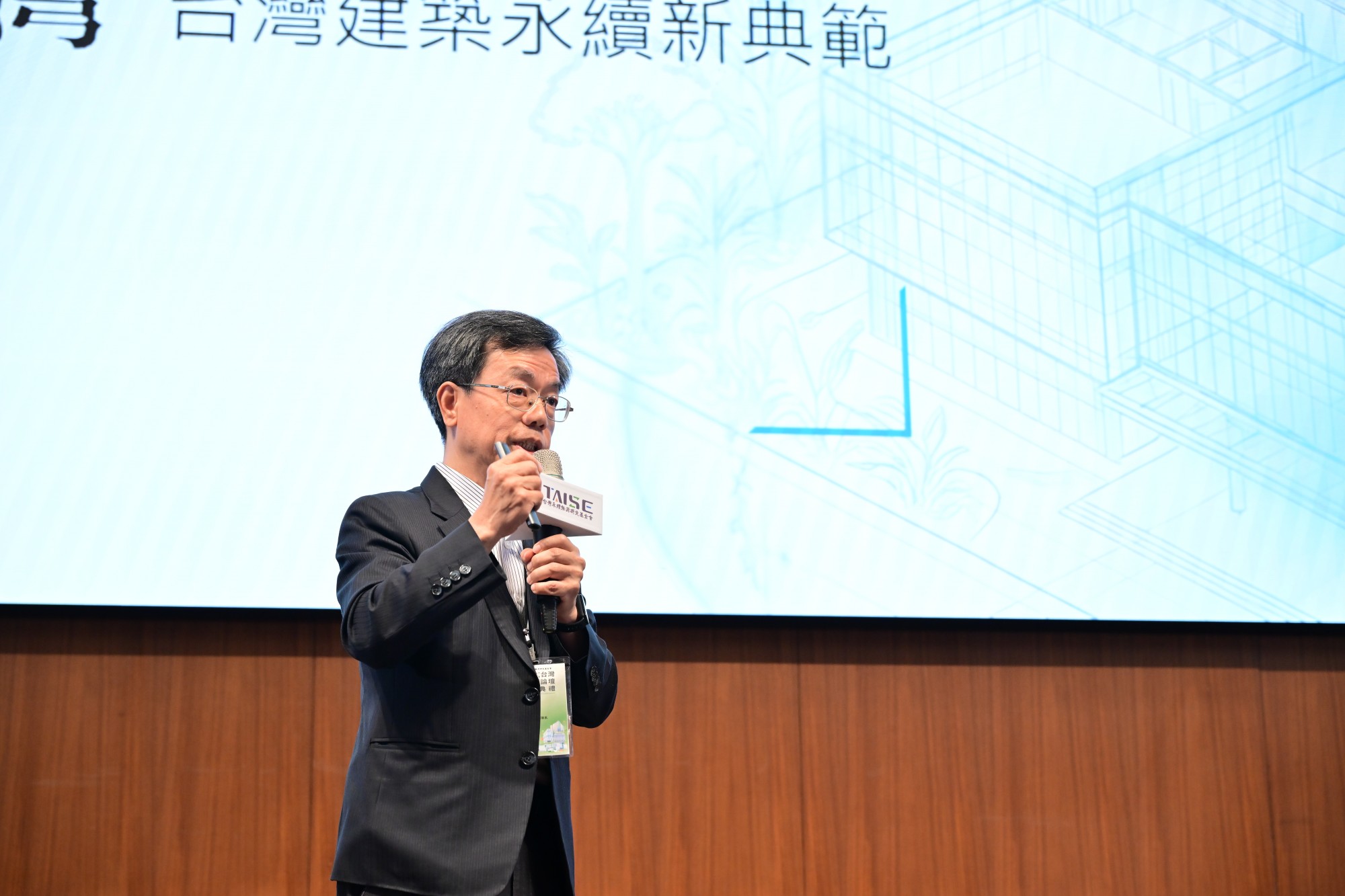
Shao, Associate Professor of the Department of Architecture at National Taipei University of Technology, introduced how Digital Twin technology can be applied to architectural design, construction, and operational management under the theme “New Paradigms for Sustainable Architecture.” Through real-time data feedback and simulation analysis, buildings can continuously optimize energy usage, facility maintenance, space efficiency, and occupant health and comfort throughout their entire life cycle. This transforms traditional one-time architectural design into an intelligent operational model that is trackable, manageable, and continuously improvable. Shao also noted that Taiwan’s building industry must gradually align with international evaluation systems such as GRESB and WELL to integrate healthy buildings, circular economy principles, occupant well-being, and asset value management into comprehensive planning.
Award-Winning Cases Demonstrate Industry Innovation Through Circular Materials and Energy Management
During the award-winning case sharing session, Kindom Development Co., LTD. showcased the Minquan Sustainability Project, demonstrating how urban architecture can integrate ecological protection and circular materials. The project preserved mature trees on-site, adopted wood-plastic flooring made from 100% recycled plastic waste, and incorporated recycled insulator bricks and aluminum formwork systems, implementing circular economy concepts throughout building material selection and construction processes.
Meanwhile, Ardentec Corporation demonstrated sustainable industrial facility design from the perspective of the technology manufacturing sector. Through measures such as rainwater recycling for irrigation, solar photovoltaic systems, EV charging stations, employee shuttle and carpool systems, and waste recycling management, the facility integrates water conservation, energy efficiency, green transportation, and resource circulation into daily operations.
From Award Recognition to Industry Transformation: Sustainable Architecture Requires Cross-Sector Collaboration
The 2026 Taiwan Sustainable Architecture Forum & Awards Ceremony not only recognized outstanding buildings and professional teams but also highlighted that Taiwan’s sustainable building transformation has entered a new stage of cross-sector integration. From government policy and architectural design to construction, corporate asset management, finance, and carbon pricing systems, the net-zero transformation of the building industry is no longer the responsibility of a single sector but has become a critical issue connecting urban governance, industrial competitiveness, and sustainable finance.
TAISE stated that it will continue promoting low-carbon, healthy, smart, and circular building design through awards, forums, and exchange platforms, enabling sustainable architecture to evolve from isolated demonstration projects into a new normal for Taiwan’s urban development.