

Joining Forces to Advance ESG Disclosure and Evaluation! TAISE Partners with Hsinchu Science Park to
Joining Forces to Advance ESG Disclosure and Evaluation!
TAISE Partners with Hsinchu Science Park to Organize the Corporate Sustainability Elite Training Program
The Taiwan Institute for Sustainable Energy (TAISE), in collaboration with the Hsinchu Science Park Bureau under the National Science and Technology Council (NSTC), jointly organized the “Corporate Sustainability Elite Training Program – Foundation Course,” attracting enthusiastic participation from 41 trainees across various industries and disciplines. The training program aims to address the latest international sustainability disclosure trends and risk challenges. Through comprehensive theoretical analysis and practical exercises, the program seeks to enhance participants' knowledge and capabilities in evaluating corporate sustainability reports and assessing their quality.
Anticipating International Trends
TCSA 2.1 Evaluation Framework Incorporates the Latest International Sustainability Standards
Amid global political and economic instability and increasingly extreme climate conditions, the World Economic Forum's (WEF) Global Risks Report has identified geoeconomic confrontation and misinformation as major challenges facing the world today. In the first session, Associate Professor Shen, a full-time associate professor at the Graduate Institute of Gerontology and Health Technology and Chief Secretary of Mackay Medical University, emphasized that corporate sustainability (CS) has evolved from traditional social contributions into a core competitive advantage and strategic priority. Furthermore, corporate implementation of ESG practices and the preparation of sustainability reports have long shifted from voluntary initiatives to regulatory compliance requirements.
Associate Professor Shen provided an in-depth analysis of the latest TCSA 2.1 evaluation framework. He explained that, in addition to maintaining its emphasis on three key dimensions—completeness (40%), credibility (35%), and communication (25%)—the revised framework places greater weight on the implementation and disclosure of sustainability strategies and material sustainability-related standards. It also comprehensively incorporates key indicators from the Task Force on Climate-related Financial Disclosures (TCFD), Sustainability Accounting Standards Board (SASB), Taskforce on Nature-related Financial Disclosures (TNFD), and International Financial Reporting Standards (IFRS S1 and S2), guiding companies to proactively align with international sustainability developments.
An In-Depth Look at TCSA's Rigorous Evaluation Mechanism
Unveiling the Influence of Volunteer Evaluators
The second session was personally delivered by CEO Cheng of the Taiwan Institute for Sustainable Energy, who provided insights into the rigorous, transparent, and objective evaluation process of the TCSA Taiwan Corporate Sustainability Awards. CEO Cheng noted that TCSA has attracted the participation of more than a thousand companies over the years, with participating companies accounting for a remarkably high proportion of Taiwan's national GDP in terms of their combined revenues. The awards have become a highly credible benchmark for sustainability in Taiwan, continuously encouraging companies, universities, hospitals, NGOs, and government organizations to engage in sustainable development through positive influence. He further explained that the Foundation has implemented a volunteer evaluator training program since 2015, cultivating more than 3,400 qualified evaluators to date. This initiative not only brings public participation into the evaluation mechanism but also helps companies develop internal ESG professionals, achieving the objective of “promoting healthy competition and long-term organizational sustainability through evaluation.”
Hands-On ESG Report Evaluation Exercises
Elite Training Program Serves as a Key Platform for Practical Learning
The third session focused on practical evaluation training. Participants worked in groups to review ESG reports and conduct hands-on scoring exercises, followed by presentations of their evaluation results. Associate Professor Shen, Platinum-Level Volunteer Evaluator Chang, and Gold-Level Volunteer Evaluator Chen were invited to serve as mentors, providing targeted feedback and professional guidance on each group's presentation.
A university student who had recently embarked on a career path in sustainability shared that the course helped him develop an appropriate perspective on sustainability reports and ESG indicators. Another participant who had previously attended the Corporate Sustainability Manager training program commented that the Elite Training Program provided an excellent platform for practical learning and expressed hope of further expanding their understanding of sustainability.
The Taiwan Institute for Sustainable Energy stated that advancing corporate sustainability represents a long-term paradigm shift. Looking ahead, the Foundation will continue to organize diverse training programs, bringing together more citizens and industry stakeholders to jointly foster a corporate sustainability governance culture characterized by transparency and accountability, guiding Taiwan toward a better and more sustainable future.
Event Highlights
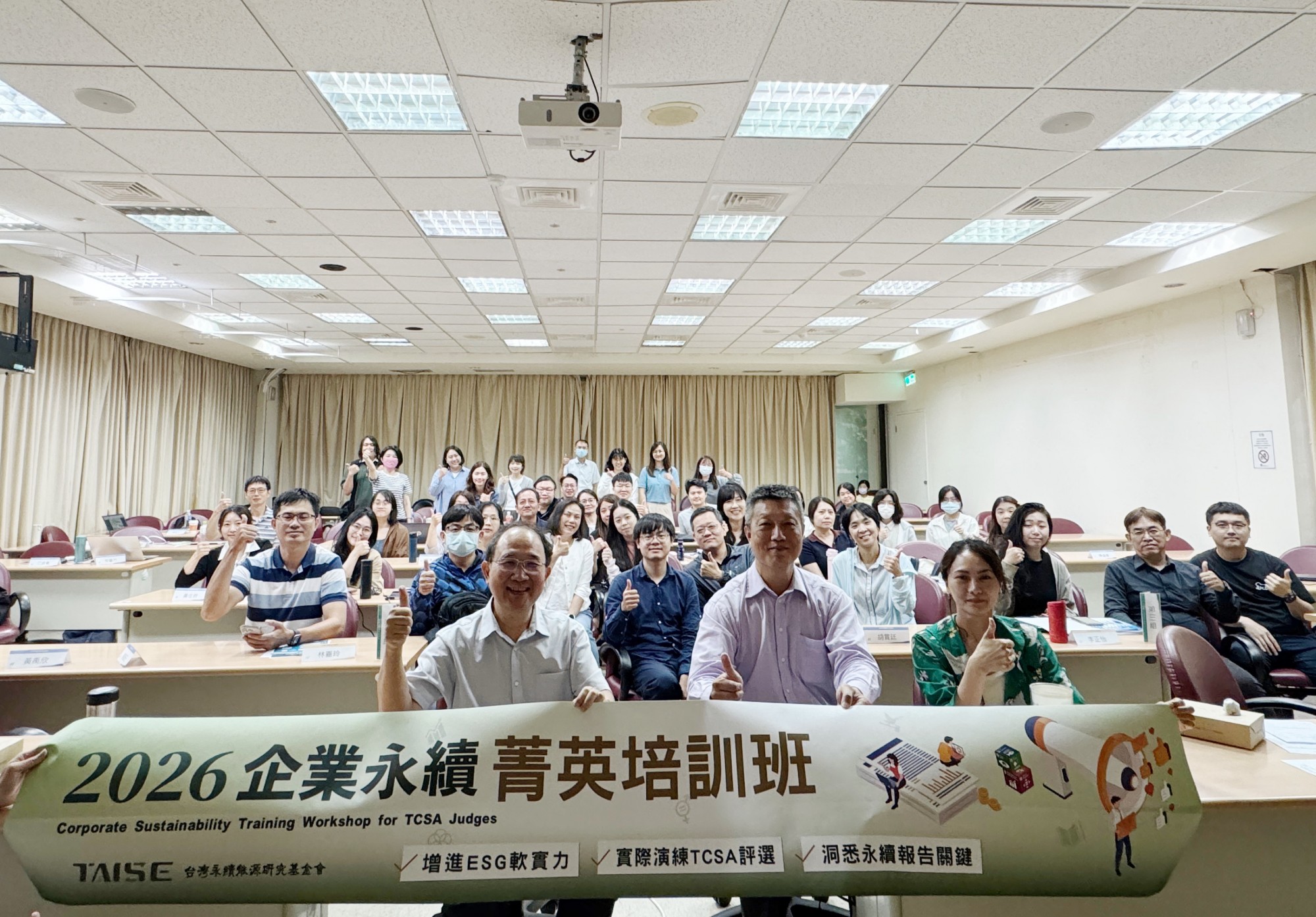
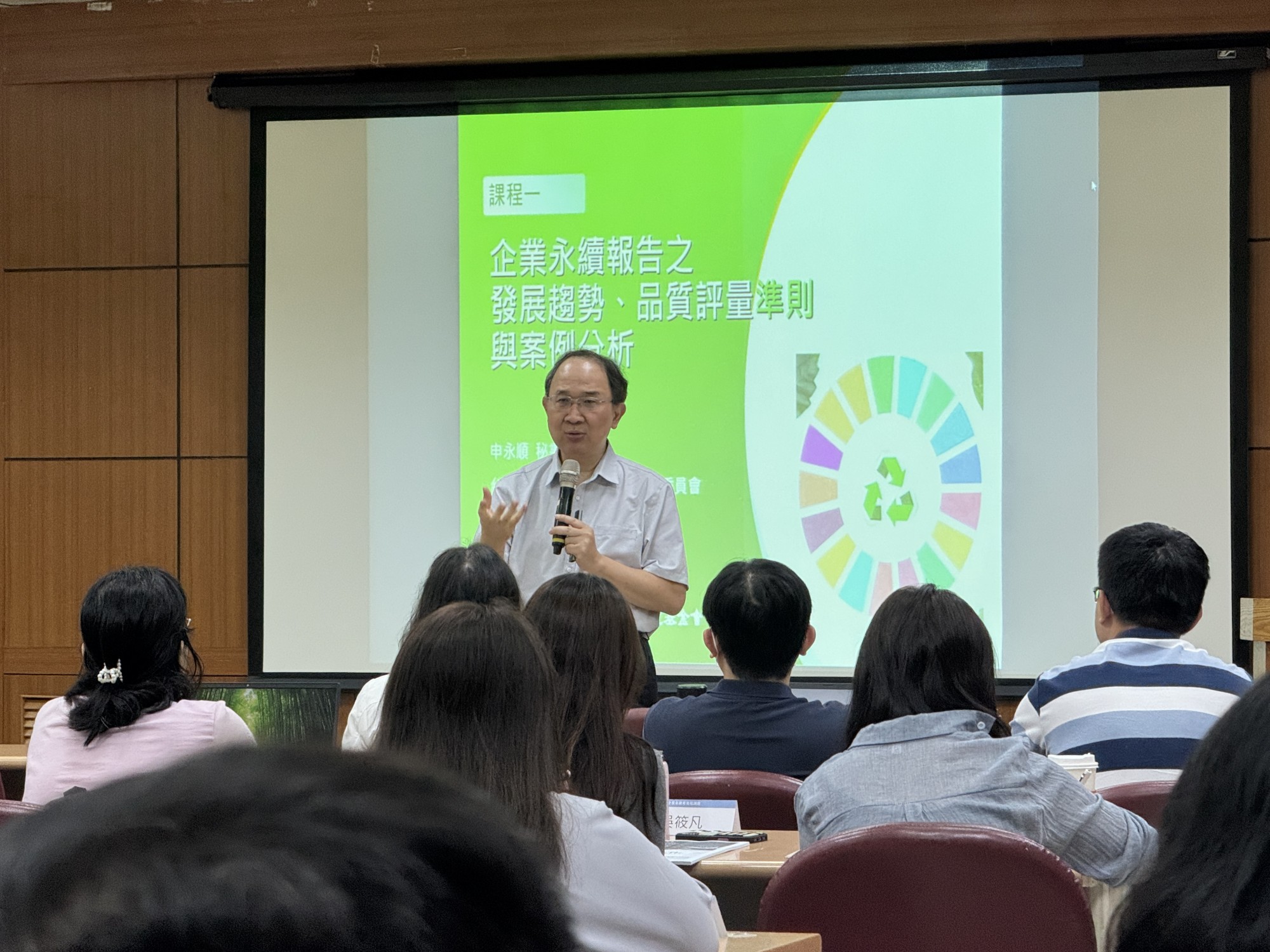
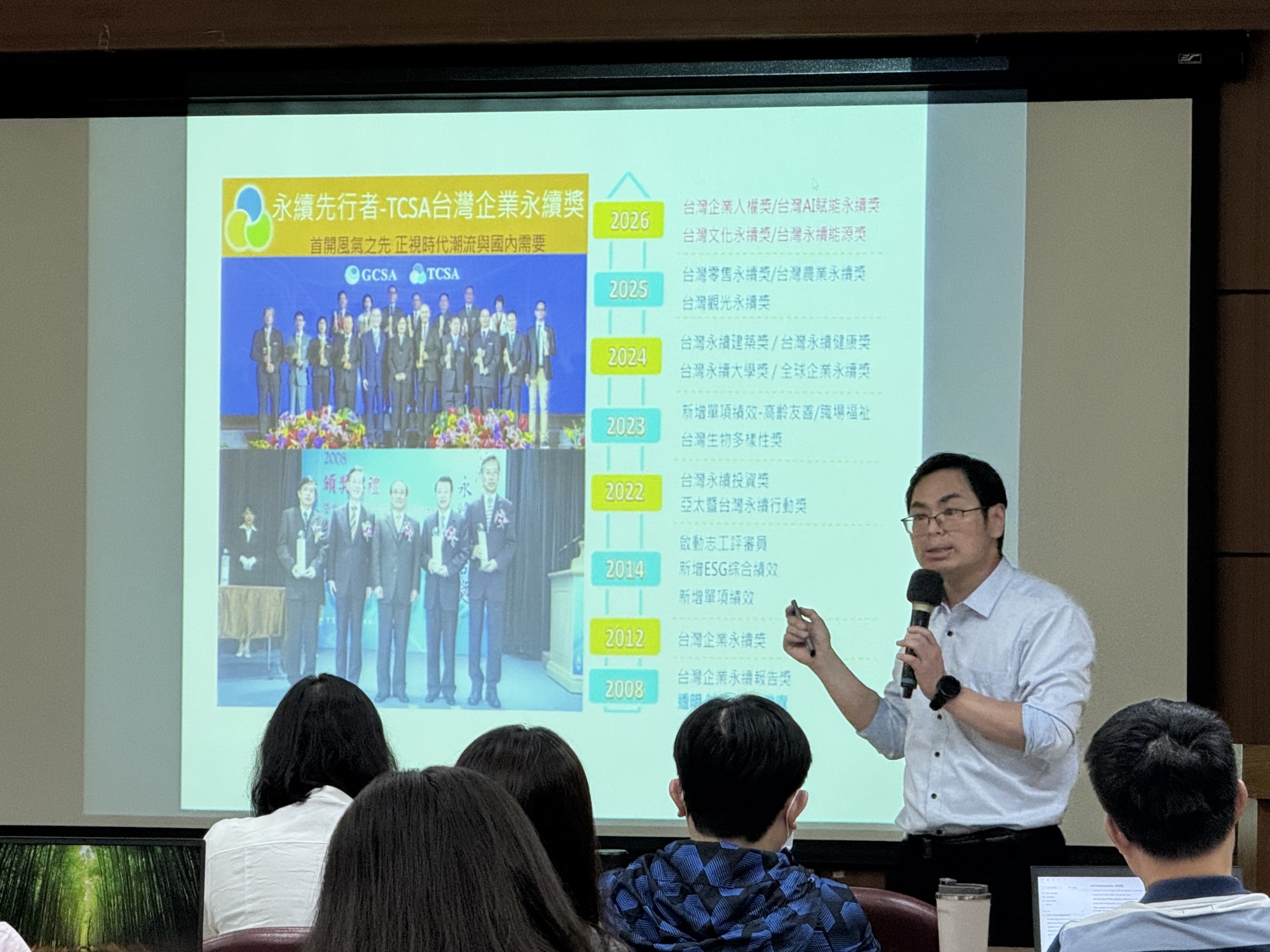
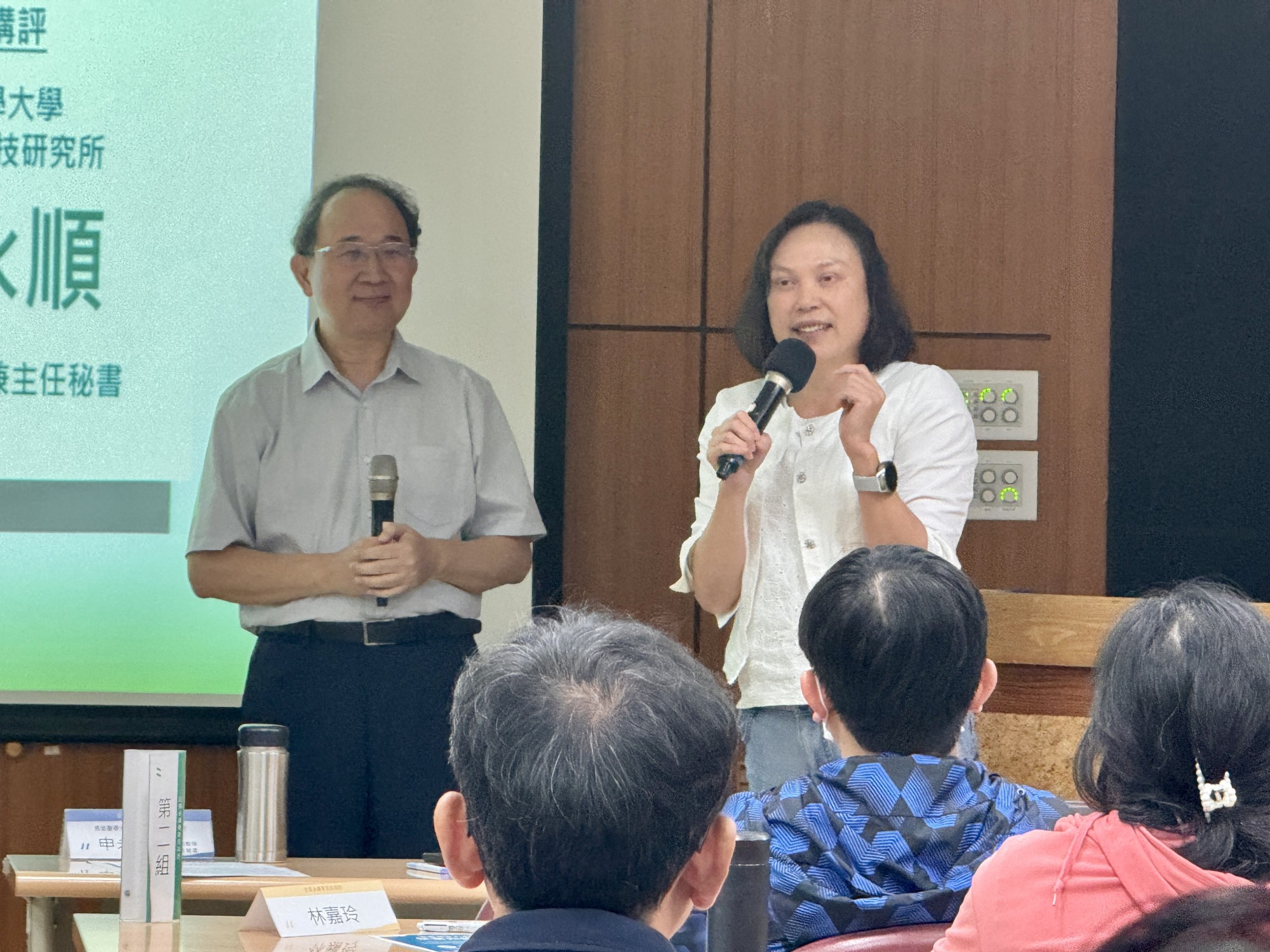
Participants shared that the Elite Training Program provided an excellent environment for hands-on learning, enabling them to further expand their knowledge and understanding of sustainability.