

Facebook
Contact Us
繁中
繁中
  • Judge
  • Contestants
  • About TCSA
    • About TCSA
    • TCSA Objectives
    • Judge List
    • Events
    • Media
  • TCSA
    • Taiwan Corporate Sustainability Awards
    • Taiwan Corporate Sustainability Awards
    • 2026 台灣傑出永續教育人物獎
    • Taiwan Health Sustainability Awards
    • Taiwan University Sustainability Awards
    • Taiwan Health Sustainability Awards
    • Asia-Pacific SDGs Sustainable Exhibition Awards
    • 2025 Process & Timeline
    • 2025 Application fee
    • Taiwan Sustainable Retail Management Awards
    • Taiwan Sustainable Retail Management Award
    • 2026 Taiwan Sustainable Agriculture Awards
    • 2025 Taiwan Sustainable Agriculture Award
    • 2026 Taiwan Sustainable Tourism Awards
    • 2025 Taiwan Sustainable Tourism Awards
    • 2026 Taiwan Corporate and Human Rights Award
    • 2026 Taiwan AI for SDGs Excellence Award
    • 2024 Application fee
    • 2027 Taiwan Energy Sustainability Award
    • 2024 TUSA
    • 2024 THSA
    • 2024 Process & Timeline
    • 2024 TCSA
    • 2024 Download
    • Taiwan Cultural Sustainability Award
    • 2024 Download
    • 2023 Process & Timeline
    • 2023 TCSA
    • 2023 Award Categories
    • 2023 Eligibility
    • 2023 Download
    • 2023 Application fee
    • 2023 Indicator
    • 2023 Submission
    • 2023 Notice
    • 2022 Download
    • 2022 Matters for Attention
    • 2022 Submission
    • 2022 Indicator
    • 2022 Categories
    • 2022 Fee
    • 2022 Qualification
    • 2022 TCSA
    • 2022 Procedure
    • 2021 Video of Instructions for Evaluation
    • 2021 Submission
    • 2021 Categories
    • 2020 Activity Schedule
    • 2020 Qualifications and Eligibility
    • 2020 Selection Index
    • 2020 Participation Fees
    • 2020 Award Categories
    • 2020 Information Submission
    • 2020 Downloadable Content
    • 2021 Procedure
    • 2021 Qualification
    • 2021 Indicator
    • 2021 Fee
    • 2021 Download
    • 2019 Download
    • 2019 Fee
    • 2019 Submission
    • 2019 Categories
    • 2019 Indicator
    • 2019 Qualifications
    • 2019 Procedure
    • 2018 Download
    • 2017 Indicator
    • 2016 Categories
    • 2016 Qualifications
    • 2016 Indicator
    • 2016 Submission
    • 2016 Fee
    • 2016 Download
    • 2017 Procedure
    • 2017 Qualifications
    • 2017 Categories
    • 2016 Procedure
    • 2017 Submission
    • 2017 Fee
    • 2017 Download
    • 2018 Indicator
    • 2018 Procedure
    • 2018 Qualifications
    • 2018 Categories
    • 2018 Submission
    • 2018 Fee
    • Asia-Pacific SDGs Sustainable Exhibition Awards
  • APSAA&TSAA
    • 2025 APSAA
    • Awards and Fees
    • Evaluation Framework
    • Submission Requirements
    • Submission Instructions
    • 2025 SDG Summit
    • 2025 Taiwan Outstanding Sustainable Governance Leadership Award
    • Introduction of Sustainable Development Goals (SDGs)
    • 2021 Qualifications
    • 2021 Indicator
    • 2021 Categories
    • 2021 Procedure
    • 2021 Fee
    • 2021 Download
    • 2022 Entry Fee
    • 2022 Asia-Pacific Sustainability Action Awards
    • 2022 Matters of Attention
    • 2022 Download
    • 2022 Award Categories
    • 2022 Criteria
    • 2022 Eligibility
    • 2022 Key Dates
    • 2022 Submission
    • 2023 Submission
    • 2023 Award Categories
    • 2023 Matters of Attention
    • 2023 Taiwan and Asia-Specific Sustainable Action Awards
    • 2023 Process & Timeline
    • 2023 Eligibility
    • 2023 Application fee
    • 2023 Criteria
    • 2023 Download
    • 2022 APSAA Winning Cases
    • 2024 Asia-Pacific Sustainability Action Awards
    • 2024 Download
    • 2024 Matters of Attention
    • 2024 Submission
    • 2024 Criteria
    • 2024 Application fee
    • 2024 Eligibility
    • 2023 Award Categories
    • 2024 Process and Timeline
    • APSAA Overview
    • APSAA Evaluation
    • APSAA Submission
    • APSAA Downloads
  • Judge Training
    • Corporate Sustainability Elite Training Program - Judge Class
    • Asia-Pacific SDGs Sustainable Exhibition Awards – Judges Training Program
    • Corporate Sustainability Elite Training Program – Corporate Customized Program
    • 11
    • CSR Training Course
    • Asia-Pacific SDGs Sustainable Exhibition Awards – Judges Training Program
    • Volunteer Levels
    • Rights, Responsibilities and Standards for Selection
    • Recruitment Criteria
    • Recruitment Process and Assessment
    • Selection Objectives
    • Judging Benefits
    • Judge Training Class Q&A
    • Cancellation Notice of Certificate Serial Number
    • Corporate Sustainability Training Workshop for TCSA Judges
    • Corporate Sustainability Training Workshop
    • 2013 Results
  • Previous TCSA
    • Awards Ceremony
    • Judging Committee
    • List of Winners
    • Achievements
    • Album
  • TAISE
前往主要內容
TCSA台灣企業永續獎

TCSA (Taiwan Corporate Sustainability Awards)

TAISE 繁中
  • About TCSA
    • About TCSA
    • TCSA Objectives
    • Judge List
    • Events
    • Media
  • TCSA
    • Taiwan Corporate Sustainability Awards
    • Taiwan Corporate Sustainability Awards
    • 2026 台灣傑出永續教育人物獎
    • Taiwan Health Sustainability Awards
    • Taiwan University Sustainability Awards
    • Taiwan Health Sustainability Awards
    • Asia-Pacific SDGs Sustainable Exhibition Awards
    • 2025 Process & Timeline
    • 2025 Application fee
    • Taiwan Sustainable Retail Management Awards
    • Taiwan Sustainable Retail Management Award
    • 2026 Taiwan Sustainable Agriculture Awards
    • 2025 Taiwan Sustainable Agriculture Award
    • 2026 Taiwan Sustainable Tourism Awards
    • 2025 Taiwan Sustainable Tourism Awards
    • 2026 Taiwan Corporate and Human Rights Award
    • 2026 Taiwan AI for SDGs Excellence Award
    • 2024 Application fee
    • 2027 Taiwan Energy Sustainability Award
    • 2024 TUSA
    • 2024 THSA
    • 2024 Process & Timeline
    • 2024 TCSA
    • 2024 Download
    • Taiwan Cultural Sustainability Award
    • 2024 Download
    • 2023 Process & Timeline
    • 2023 TCSA
    • 2023 Award Categories
    • 2023 Eligibility
    • 2023 Download
    • 2023 Application fee
    • 2023 Indicator
    • 2023 Submission
    • 2023 Notice
    • 2022 Download
    • 2022 Matters for Attention
    • 2022 Submission
    • 2022 Indicator
    • 2022 Categories
    • 2022 Fee
    • 2022 Qualification
    • 2022 TCSA
    • 2022 Procedure
    • 2021 Video of Instructions for Evaluation
    • 2021 Submission
    • 2021 Categories
    • 2020 Activity Schedule
    • 2020 Qualifications and Eligibility
    • 2020 Selection Index
    • 2020 Participation Fees
    • 2020 Award Categories
    • 2020 Information Submission
    • 2020 Downloadable Content
    • 2021 Procedure
    • 2021 Qualification
    • 2021 Indicator
    • 2021 Fee
    • 2021 Download
    • 2019 Download
    • 2019 Fee
    • 2019 Submission
    • 2019 Categories
    • 2019 Indicator
    • 2019 Qualifications
    • 2019 Procedure
    • 2018 Download
    • 2017 Indicator
    • 2016 Categories
    • 2016 Qualifications
    • 2016 Indicator
    • 2016 Submission
    • 2016 Fee
    • 2016 Download
    • 2017 Procedure
    • 2017 Qualifications
    • 2017 Categories
    • 2016 Procedure
    • 2017 Submission
    • 2017 Fee
    • 2017 Download
    • 2018 Indicator
    • 2018 Procedure
    • 2018 Qualifications
    • 2018 Categories
    • 2018 Submission
    • 2018 Fee
    • Asia-Pacific SDGs Sustainable Exhibition Awards
  • APSAA&TSAA
    • 2025 APSAA
    • Awards and Fees
    • Evaluation Framework
    • Submission Requirements
    • Submission Instructions
    • 2025 SDG Summit
    • 2025 Taiwan Outstanding Sustainable Governance Leadership Award
    • Introduction of Sustainable Development Goals (SDGs)
    • 2021 Qualifications
    • 2021 Indicator
    • 2021 Categories
    • 2021 Procedure
    • 2021 Fee
    • 2021 Download
    • 2022 Entry Fee
    • 2022 Asia-Pacific Sustainability Action Awards
    • 2022 Matters of Attention
    • 2022 Download
    • 2022 Award Categories
    • 2022 Criteria
    • 2022 Eligibility
    • 2022 Key Dates
    • 2022 Submission
    • 2023 Submission
    • 2023 Award Categories
    • 2023 Matters of Attention
    • 2023 Taiwan and Asia-Specific Sustainable Action Awards
    • 2023 Process & Timeline
    • 2023 Eligibility
    • 2023 Application fee
    • 2023 Criteria
    • 2023 Download
    • 2022 APSAA Winning Cases
    • 2024 Asia-Pacific Sustainability Action Awards
    • 2024 Download
    • 2024 Matters of Attention
    • 2024 Submission
    • 2024 Criteria
    • 2024 Application fee
    • 2024 Eligibility
    • 2023 Award Categories
    • 2024 Process and Timeline
    • APSAA Overview
    • APSAA Evaluation
    • APSAA Submission
    • APSAA Downloads
  • Judge Training
    • Corporate Sustainability Elite Training Program - Judge Class
    • Asia-Pacific SDGs Sustainable Exhibition Awards – Judges Training Program
    • Corporate Sustainability Elite Training Program – Corporate Customized Program
    • 11
    • CSR Training Course
    • Asia-Pacific SDGs Sustainable Exhibition Awards – Judges Training Program
    • Volunteer Levels
    • Rights, Responsibilities and Standards for Selection
    • Recruitment Criteria
    • Recruitment Process and Assessment
    • Selection Objectives
    • Judging Benefits
    • Judge Training Class Q&A
    • Cancellation Notice of Certificate Serial Number
    • Corporate Sustainability Training Workshop for TCSA Judges
    • Corporate Sustainability Training Workshop
    • 2013 Results
  • Previous TCSA
    • Awards Ceremony
    • Judging Committee
    • List of Winners
    • Achievements
    • Album
  •   Contestants
  • About TCSA
    關於永續獎
    About TCSA
    Home > About TCSA > Events
    2026.06.08

    2026 Leveraging Digital Technologies to Advance Sustainable Governance
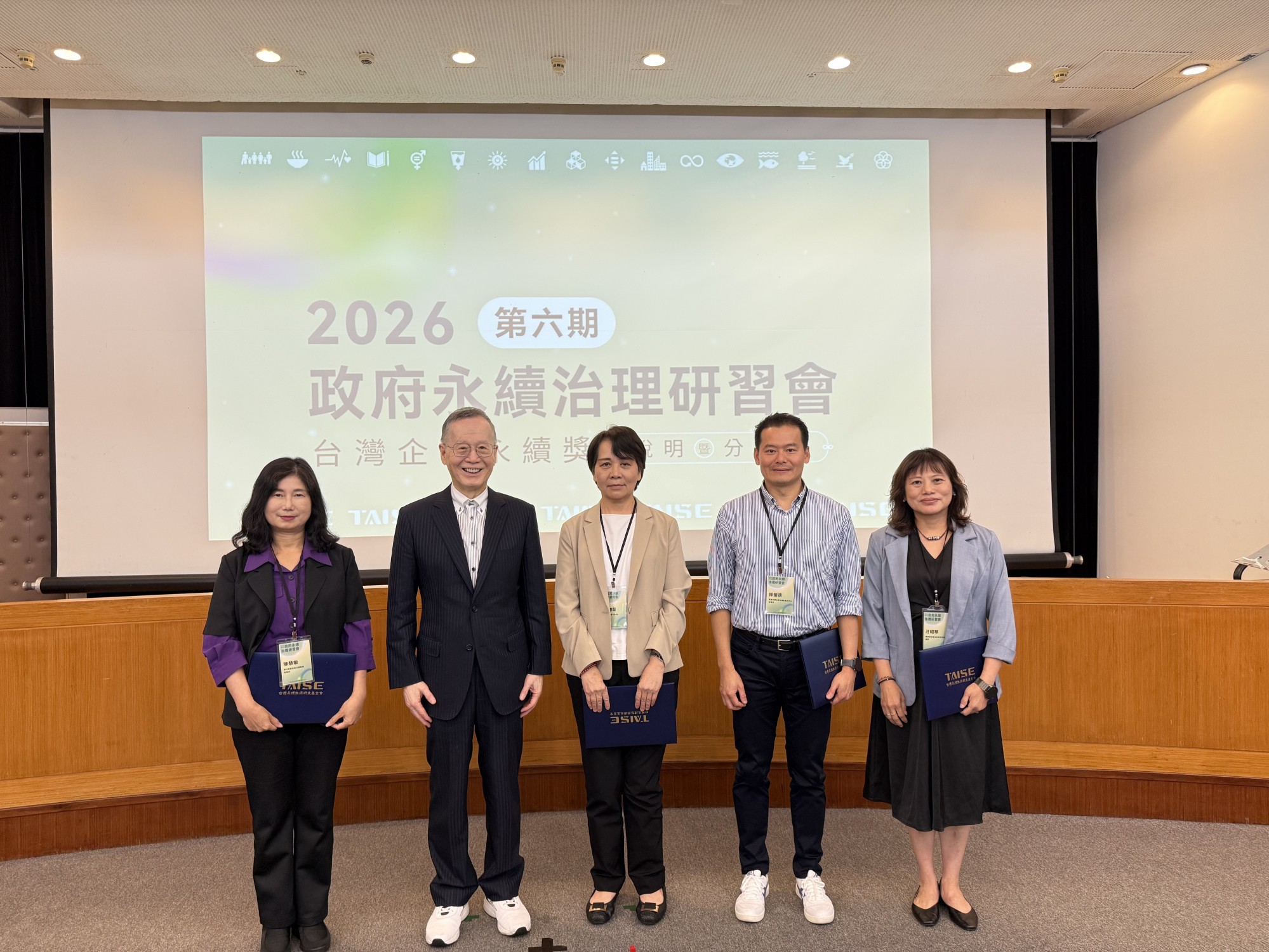
    Distinguished guests at the 2026 Government Sustainable Governance Workshop
    Distinguished guests at the workshop included (from left) Deputy Director-General Chen of the Administration for Digital Industries, Ministry of Digital Affairs; Chair Chien of TAISE; Deputy Minister Shen of the Directorate-General of Personnel Administration, Executive Yuan; Chief Operating Officer Chen of the Center for Corporate Sustainability Impact, Tunghai University; and Division Director Wang of the Forestry and Nature Conservation Agency, Ministry of Agriculture.

    Leveraging Digital Technologies to Advance Sustainable Governance


    As artificial intelligence (AI) converges with environmental, social and governance (ESG) priorities, organizations across sectors are increasingly using AI to advance the twin digital and green transitions. Experts caution, however, that adopting AI tools does not automatically deliver sustainability outcomes. Instead, AI tends to amplify an organization’s existing capacity for sustainability management. Even in the age of AI, people remain at the heart of transformation, while robust management processes are essential to improving sustainable governance performance.

    The 2026 Sixth Government Sustainable Governance Workshop, jointly organized by the Taiwan Institute for Sustainable Energy (TAISE) and the Civil Service Development Institute under the Directorate-General of Personnel Administration, Executive Yuan, was held on 8 September. More than 300 participants attended in person and online. This year’s programme focused on the “twin transition”, with particular attention to the practical integration of AI-enabled digital technologies and ESG-based sustainable governance.
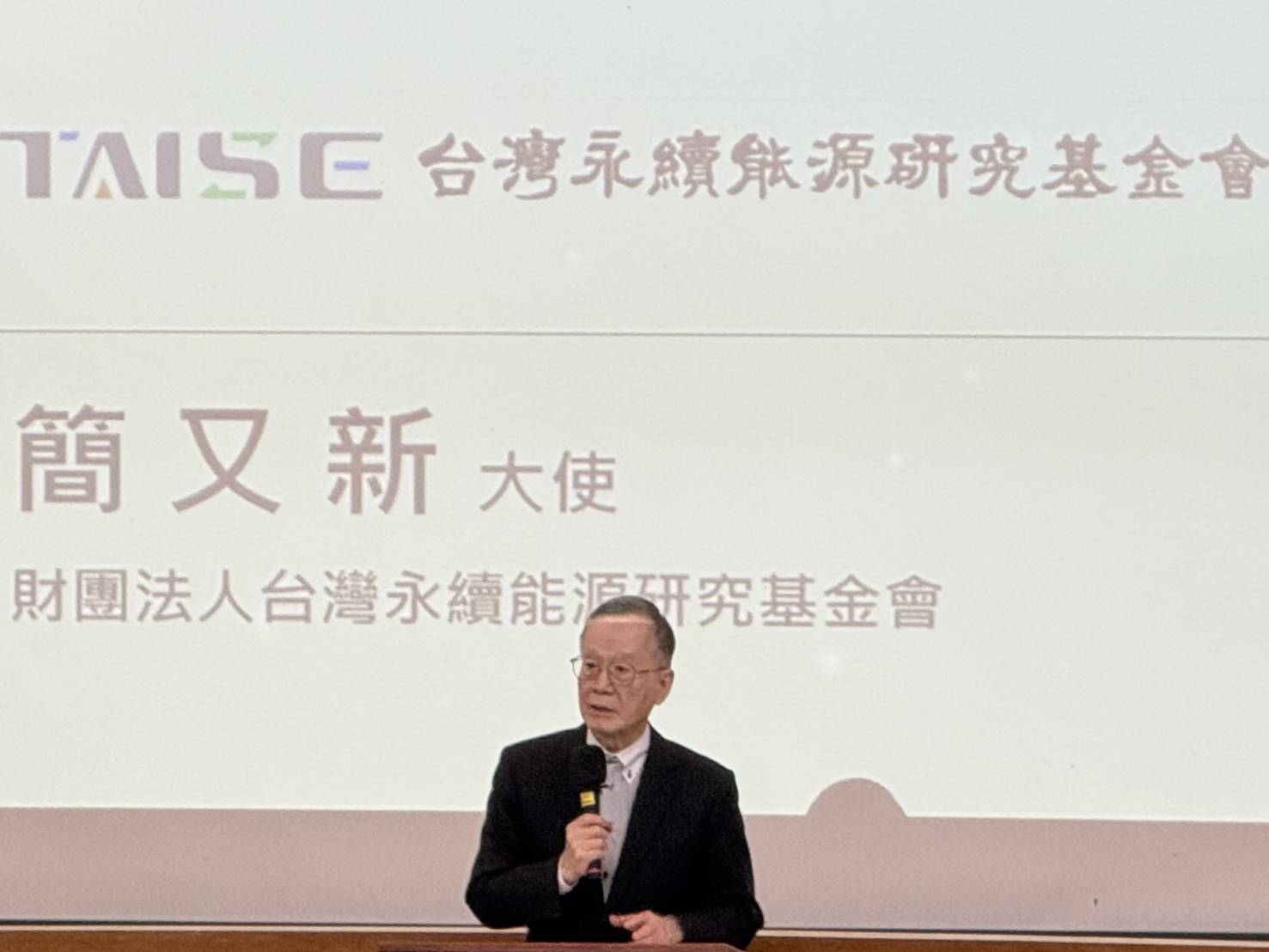
    TAISE Chair Chien
    TAISE Chair Chien

    TAISE Chair Chien commended Taiwan for the substantial progress it has made on sustainability, driven by leading enterprises. He noted that Taiwan ranked first globally this year in both the S&P Global Sustainability Yearbook and the Dow Jones Best-in-Class Indices (DJBIC), while hospitals, universities and government institutions have also demonstrated notable progress in recent years. Emphasizing that sustainability is an ongoing endeavour requiring year-on-year improvement and measurable results, he encouraged all sectors to continue advancing towards sustainable development, social stability and shared prosperity.

    Strengthening Management Resilience through Cross-Sector Collaboration

    Deputy Minister Shen of the Directorate-General of Personnel Administration, Executive Yuan, highlighted the institution’s responsibility for developing a civil service workforce equipped to advance sustainability. She noted that an interministerial AI Civil Service Talent Development Office had been established in mid-2025, with personnel already selected for overseas study visits. Efforts are also under way to expand domestic capacity and establish a systematic training framework, with a view to strengthening the quality of public services and working with government institutions to build a resilient and sustainable future.
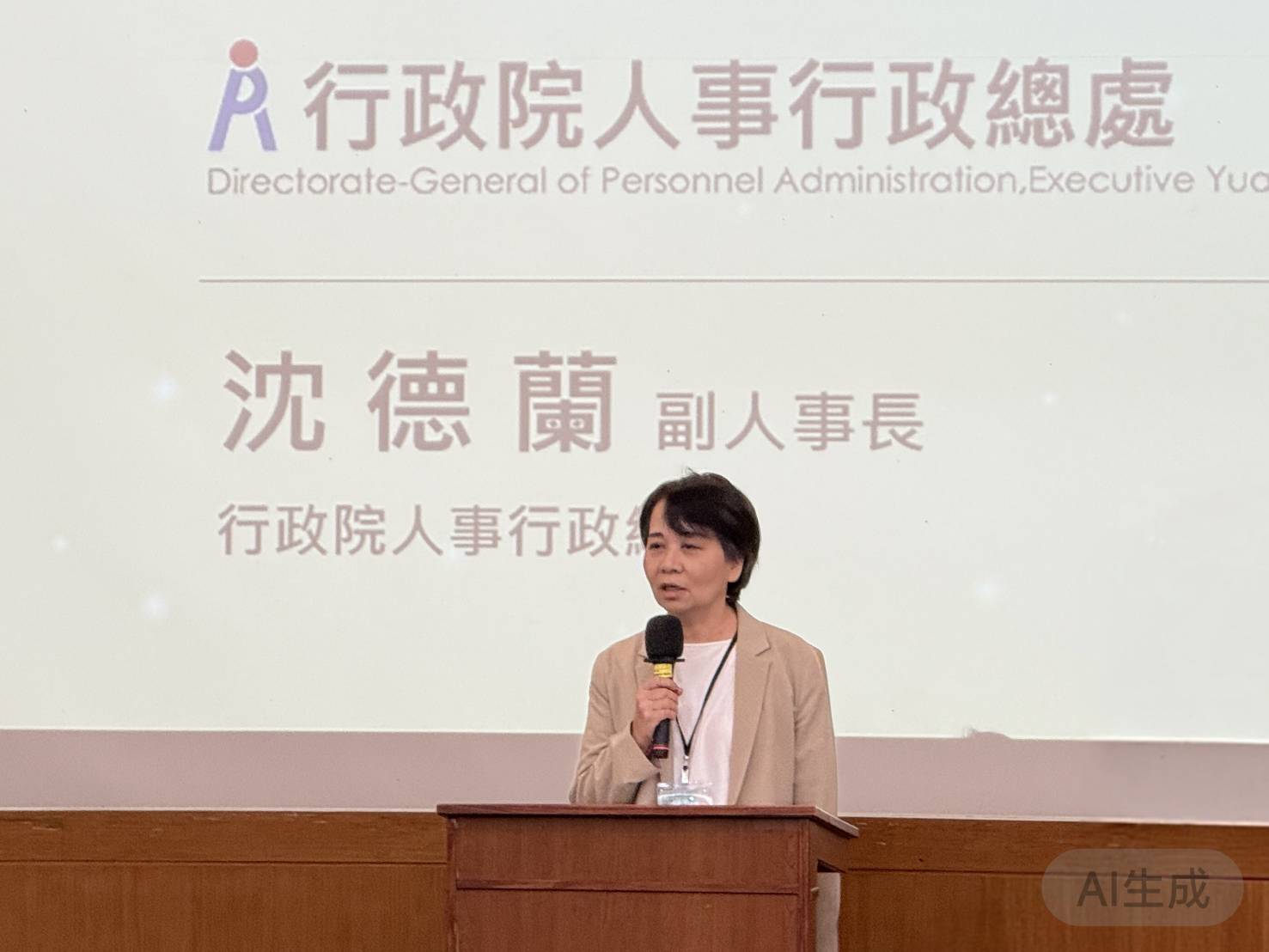
    Deputy Minister Shen of the Directorate-General of Personnel Administration, Executive Yuan
    Deputy Minister Shen of the Directorate-General of Personnel Administration, Executive Yuan

    Addressing digital infrastructure, Deputy Director-General Chen of the Administration for Digital Industries, Ministry of Digital Affairs, explained that, with support from government ministries and agencies, the Ministry had established a sovereign AI training corpus as foundational infrastructure for data governance and was encouraging wider institutional adoption and interoperability. Through its data convergence initiative, the Ministry has also helped overcome institutional silos by facilitating cooperation among the police, telecommunications and immigration authorities, thereby strengthening efforts to combat fraud. In addition, the Ministry has developed guidelines for recognizing AI industry professionals and uses competitions as practice-based training mechanisms to identify promising talent and provide access to support platforms, with the aim of reinforcing Taiwan’s long-term competitiveness.
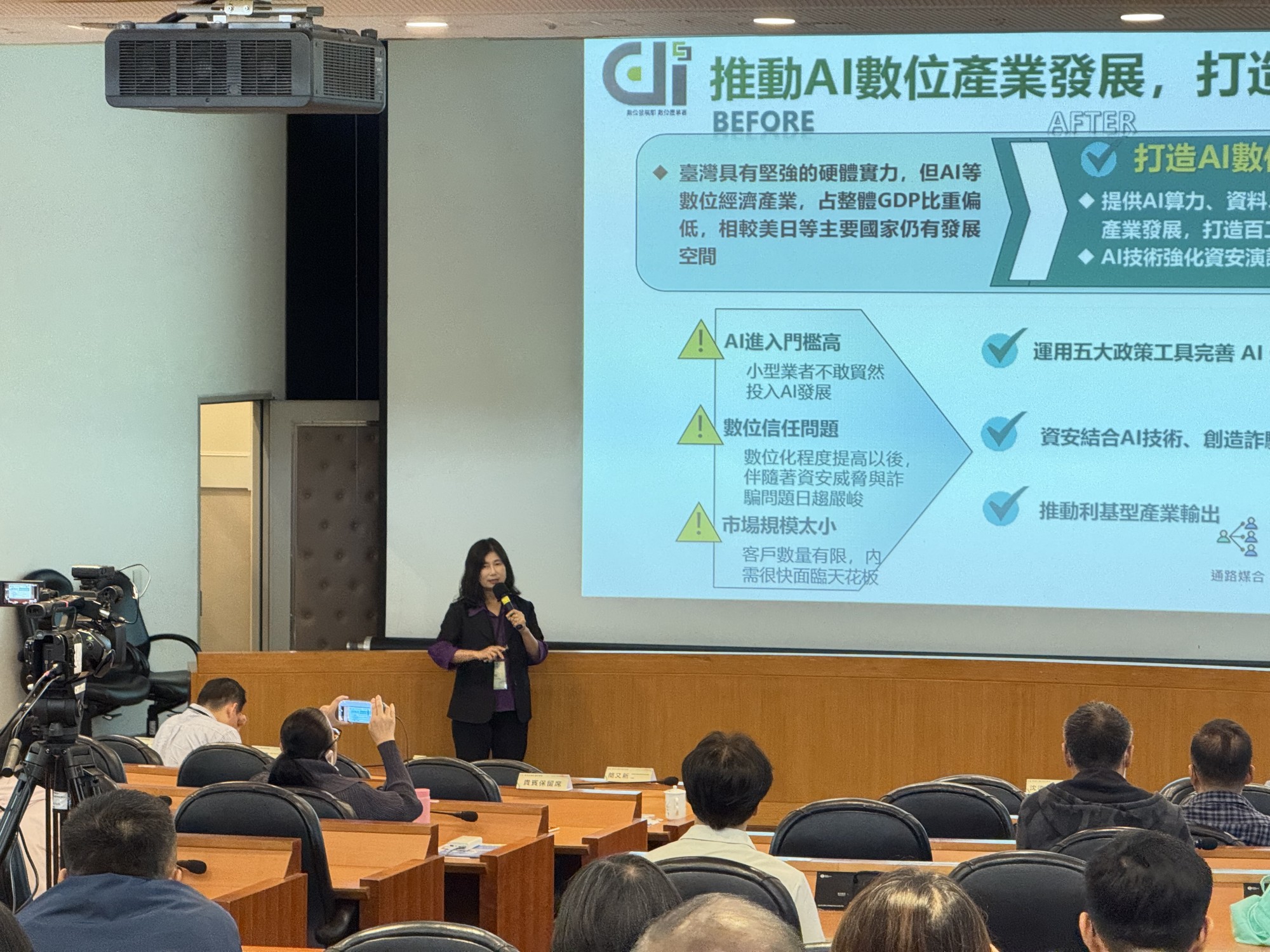
    Deputy Director-General Chen of the Administration for Digital Industries, Ministry of Digital Affairs
    Deputy Director-General Chen of the Administration for Digital Industries, Ministry of Digital Affairs

    “Sustainability management is fundamentally about risks and opportunities,” said Chief Operating Officer Chen of the Center for Corporate Sustainability Impact, Tunghai University. Drawing on 15 years of experience in sustainability consulting, he observed that the practical use of AI in ESG governance can accelerate data verification and analysis, support carbon management and scenario modelling, strengthen supply-chain assessment and stakeholder engagement, improve risk identification and enhance organizational resilience. In sustainable procurement, AI can also compare requirements relating to human rights, labour conditions and other sustainability considerations, helping to transform public procurement into a policy instrument for advancing low-carbon technologies, the circular economy and social resilience.

    He cautioned, however, that without sound data-management capacity, AI would only accelerate disorder. The effective use of AI for sustainable governance also depends on cross-departmental collaboration, the ability to identify risks and translate analysis into decisions, and the responsible use of AI. “Mature AI adoption is not defined by whether an organization can use the tools, but by whether it has rigorous management processes in place,” he said.
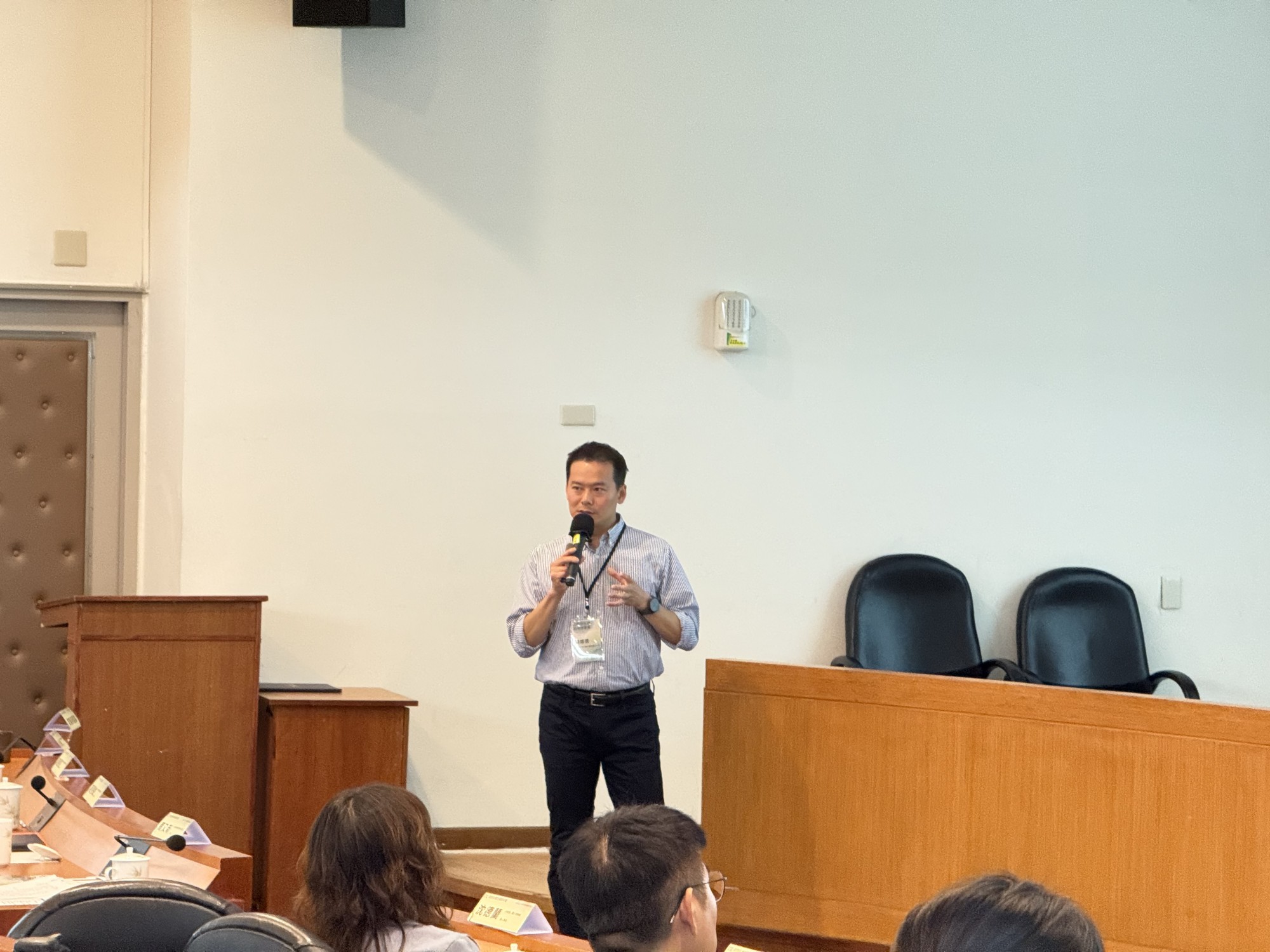
    Chief Operating Officer Chen of the Center for Corporate Sustainability Impact, Tunghai University
    Chief Operating Officer Chen of the Center for Corporate Sustainability Impact, Tunghai University

    Advancing Net Zero and Nature-Positive Action through Public-Private Partnerships

    “If Kaohsiung can achieve net zero, so can Taiwan as a whole,” said Deputy Director-General Huang of the Environmental Protection Bureau, Kaohsiung City Government. Located at the centre of Taiwan’s heavy industry, Kaohsiung faces significant emissions-reduction pressures: China Steel Corporation alone produces more greenhouse-gas emissions than the entire cities of Taipei and New Taipei. Nevertheless, the city has demonstrated its commitment to net zero by introducing three principal instruments: a self-government ordinance for net-zero urban development, a city carbon budget and a net-zero academy. It is also advancing five key areas of action, including the transition away from fossil fuels and the adoption of technological solutions, while strengthening the use of digital tools.
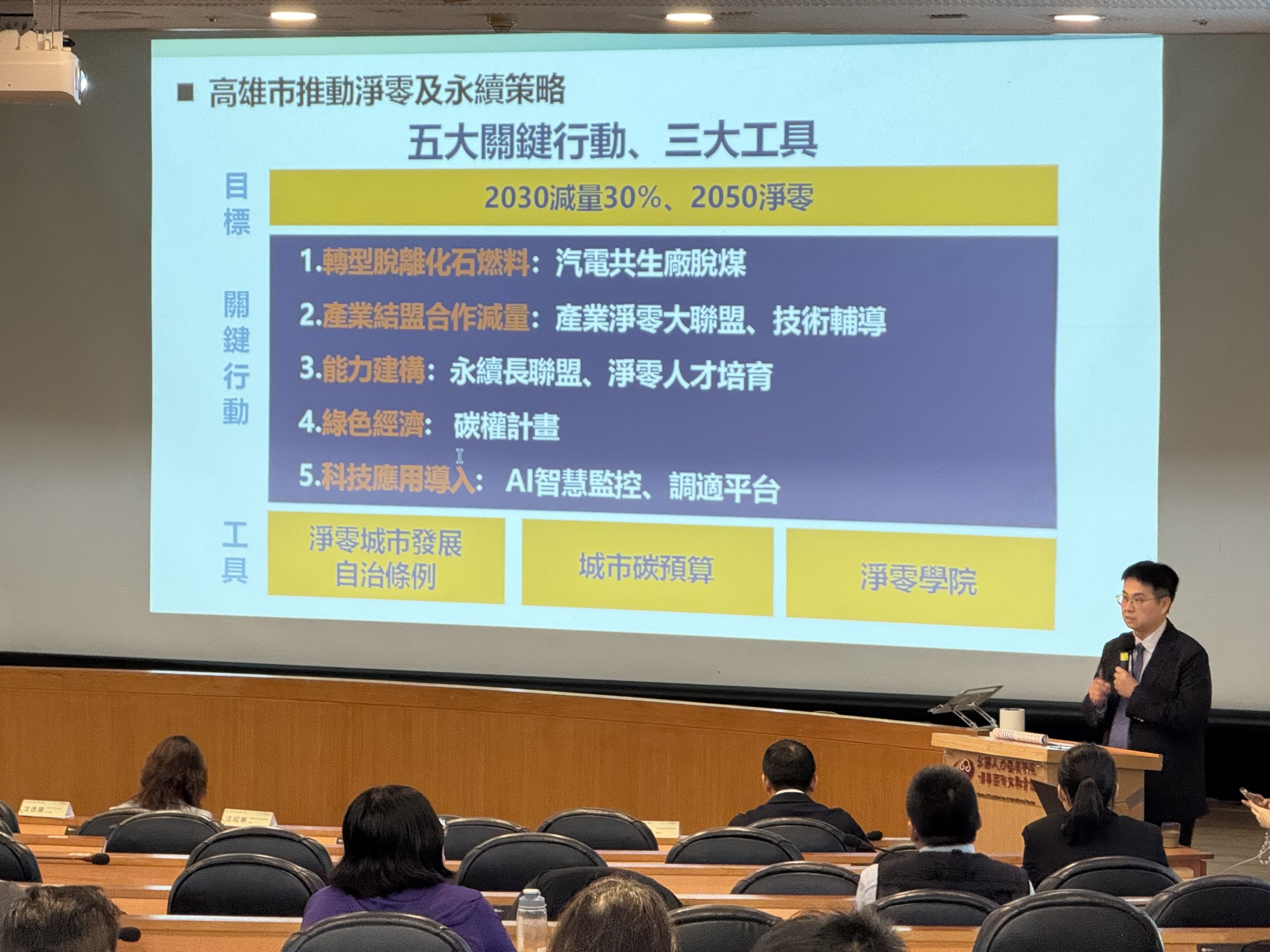
    Deputy Director-General Huang of the Environmental Protection Bureau, Kaohsiung City Government
    Deputy Director-General Huang of the Environmental Protection Bureau, Kaohsiung City Government

    Taiwan’s first city-level carbon budget is based on an assessment of potential emissions growth and available mitigation measures. It establishes an upper limit for the city’s greenhouse-gas emissions and provides the basis for practical, science-based pathways and strategies. Kaohsiung has also introduced a target under which each municipal department is expected to develop one carbon-credit initiative, thereby turning the city’s carbon liabilities into carbon assets. To support industry, the city has formed three advisory teams specializing in greenhouse-gas inventories, energy-saving and carbon-reduction technologies, and voluntary emissions-reduction plans.

    Beyond carbon management, biodiversity is another pillar of national sustainable governance. Division Director Wang of the Forestry and Nature Conservation Agency, Ministry of Agriculture, emphasized that many species in Taiwan are found beyond formally protected areas and that habitat fragmentation outside those areas must also be addressed. In response, the Agency has promoted spatial planning to connect ecological networks and has established a matchmaking platform for natural carbon sinks and biodiversity projects, inviting ministries, agencies and businesses to participate. “Public-private collaboration is essential to achieving nature-positive outcomes,” he said.
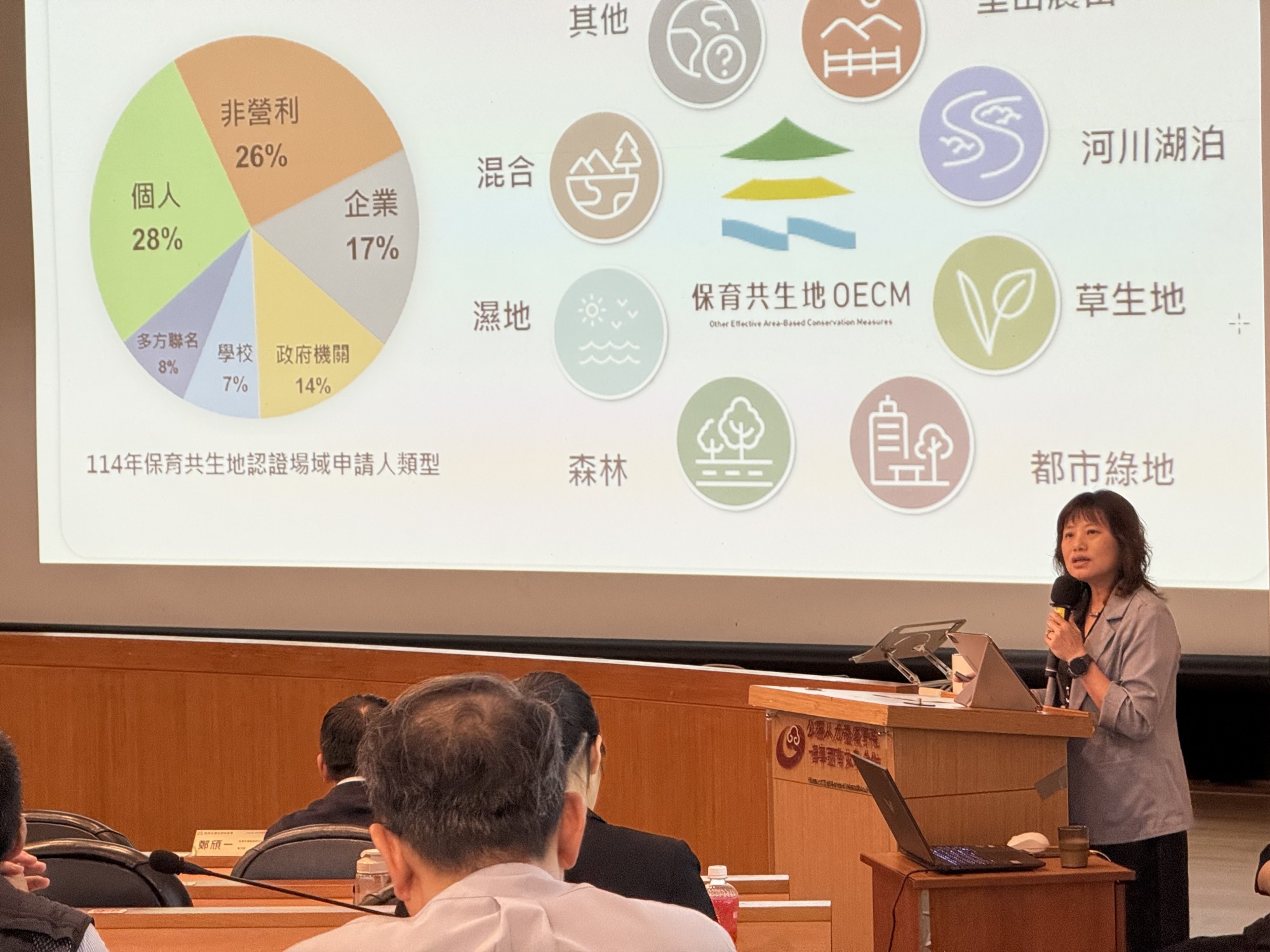
    Division Director Wang of the Forestry and Nature Conservation Agency, Ministry of Agriculture
    Division Director Wang of the Forestry and Nature Conservation Agency, Ministry of Agriculture

    To encourage more government institutions to use digital tools and management approaches to strengthen sustainable governance, while communicating progress transparently to the public, TAISE continues to organize the Government Sustainability Voluntary Review Awards and the Asia-Pacific Sustainability Expo. This year, it has also launched the AI Empowering Sustainability Awards, which recognize individuals and organizations that use AI to accelerate progress towards the Sustainable Development Goals and generate outstanding impact. TAISE Secretary-General Shen invited government institutions to participate actively in these initiatives and thereby enhance transparency and public participation in sustainable governance.

    Back
    TCSA (Taiwan Corporate Sustainability Awards)
    Taiwan Institute for Sustainable Energy (TAISE)
    Rm. 2, 4F/1CRoom, No, 188,Sec. 5, Nanjing E. Rd., Songshan Dist.,Taipei City 105411, Taiwan, R.O.C.
    TWCA
    Taiwan Institute for Sustainable Energy.All rights reserved.
    Power by Acart eCommerce:: Host