

Facebook
Contact Us
繁中
繁中
  • Judge
  • Contestants
  • About TCSA
    • About TCSA
    • TCSA Objectives
    • Judge List
    • Events
    • Media
  • TCSA
    • Taiwan Corporate Sustainability Awards
    • Taiwan Corporate Sustainability Awards
    • Taiwan Health Sustainability Awards
    • Taiwan University Sustainability Awards
    • Taiwan Health Sustainability Awards
    • 2025 Process & Timeline
    • Asia-Pacific SDGs Sustainable Exhibition Awards
    • 2025 Application fee
    • Taiwan Sustainable Retail Management Awards
    • Taiwan Sustainable Retail Management Award
    • 2026 Taiwan Sustainable Agriculture Awards
    • 2025 Taiwan Sustainable Agriculture Award
    • 2026 Taiwan Sustainable Tourism Awards
    • 2025 Taiwan Sustainable Tourism Awards
    • 2026 Taiwan Corporate and Human Rights Award
    • 2026 Taiwan AI for SDGs Excellence Award
    • 2024 TCSA
    • 2024 THSA
    • 2024 Application fee
    • 2024 Process & Timeline
    • 2024 TUSA
    • 2027 Taiwan Energy Sustainability Award
    • 2024 Download
    • Taiwan Cultural Sustainability Award
    • 2024 Download
    • 2023 Notice
    • 2023 Submission
    • 2023 Indicator
    • 2023 Application fee
    • 2023 Download
    • 2023 Eligibility
    • 2023 Award Categories
    • 2023 Process & Timeline
    • 2023 TCSA
    • 2022 TCSA
    • 2022 Qualification
    • 2022 Fee
    • 2022 Categories
    • 2022 Indicator
    • 2022 Submission
    • 2022 Matters for Attention
    • 2022 Download
    • 2022 Procedure
    • 2021 Video of Instructions for Evaluation
    • 2020 Activity Schedule
    • 2020 Qualifications and Eligibility
    • 2020 Selection Index
    • 2020 Participation Fees
    • 2020 Award Categories
    • 2020 Information Submission
    • 2020 Downloadable Content
    • 2021 Procedure
    • 2021 Qualification
    • 2021 Indicator
    • 2021 Fee
    • 2021 Download
    • 2021 Categories
    • 2021 Submission
    • 2019 Procedure
    • 2019 Qualifications
    • 2019 Indicator
    • 2019 Categories
    • 2019 Fee
    • 2019 Download
    • 2019 Submission
    • 2016 Categories
    • 2016 Qualifications
    • 2016 Indicator
    • 2016 Submission
    • 2016 Fee
    • 2016 Download
    • 2017 Procedure
    • 2017 Qualifications
    • 2017 Categories
    • 2017 Indicator
    • 2017 Submission
    • 2017 Fee
    • 2017 Download
    • 2018 Indicator
    • 2018 Procedure
    • 2018 Qualifications
    • Asia-Pacific SDGs Sustainable Exhibition Awards
    • 2018 Categories
    • 2018 Submission
    • 2018 Fee
    • 2018 Download
    • 2016 Procedure
  • APSAA&TSAA
    • 2025 APSAA
    • Awards and Fees
    • Evaluation Framework
    • Submission Requirements
    • Submission Instructions
    • 2025 SDG Summit
    • 2025 Taiwan Outstanding Sustainable Governance Leadership Award
    • Introduction of Sustainable Development Goals (SDGs)
    • 2021 Qualifications
    • 2021 Indicator
    • 2021 Categories
    • 2021 Procedure
    • 2021 Fee
    • 2021 Download
    • 2022 Entry Fee
    • 2022 Asia-Pacific Sustainability Action Awards
    • 2022 Matters of Attention
    • 2022 Download
    • 2022 Award Categories
    • 2022 Criteria
    • 2022 Eligibility
    • 2022 Key Dates
    • 2022 Submission
    • 2023 Submission
    • 2023 Award Categories
    • 2023 Matters of Attention
    • 2023 Taiwan and Asia-Specific Sustainable Action Awards
    • 2023 Process & Timeline
    • 2023 Eligibility
    • 2023 Application fee
    • 2023 Criteria
    • 2023 Download
    • 2022 APSAA Winning Cases
    • 2024 Asia-Pacific Sustainability Action Awards
    • 2024 Download
    • 2024 Matters of Attention
    • 2024 Submission
    • 2024 Criteria
    • 2024 Application fee
    • 2024 Eligibility
    • 2023 Award Categories
    • 2024 Process and Timeline
    • APSAA Overview
    • APSAA Evaluation
    • APSAA Submission
    • APSAA Downloads
  • Judge Training
    • Corporate Sustainability Elite Training Program - Judge Class
    • Asia-Pacific SDGs Sustainable Exhibition Awards – Judges Training Program
    • Corporate Sustainability Elite Training Program – Corporate Customized Program
    • 11
    • CSR Training Course
    • Asia-Pacific SDGs Sustainable Exhibition Awards – Judges Training Program
    • Volunteer Levels
    • Rights, Responsibilities and Standards for Selection
    • Recruitment Criteria
    • Recruitment Process and Assessment
    • Selection Objectives
    • Judging Benefits
    • Judge Training Class Q&A
    • Cancellation Notice of Certificate Serial Number
    • Corporate Sustainability Training Workshop for TCSA Judges
    • Corporate Sustainability Training Workshop
    • 2013 Results
  • Previous TCSA
    • Awards Ceremony
    • Judging Committee
    • List of Winners
    • Achievements
    • Album
  • TAISE
前往主要內容
TCSA台灣企業永續獎

TCSA (Taiwan Corporate Sustainability Awards)

TAISE 繁中
  • About TCSA
    • About TCSA
    • TCSA Objectives
    • Judge List
    • Events
    • Media
  • TCSA
    • Taiwan Corporate Sustainability Awards
    • Taiwan Corporate Sustainability Awards
    • Taiwan Health Sustainability Awards
    • Taiwan University Sustainability Awards
    • Taiwan Health Sustainability Awards
    • 2025 Process & Timeline
    • Asia-Pacific SDGs Sustainable Exhibition Awards
    • 2025 Application fee
    • Taiwan Sustainable Retail Management Awards
    • Taiwan Sustainable Retail Management Award
    • 2026 Taiwan Sustainable Agriculture Awards
    • 2025 Taiwan Sustainable Agriculture Award
    • 2026 Taiwan Sustainable Tourism Awards
    • 2025 Taiwan Sustainable Tourism Awards
    • 2026 Taiwan Corporate and Human Rights Award
    • 2026 Taiwan AI for SDGs Excellence Award
    • 2024 TCSA
    • 2024 THSA
    • 2024 Application fee
    • 2024 Process & Timeline
    • 2024 TUSA
    • 2027 Taiwan Energy Sustainability Award
    • 2024 Download
    • Taiwan Cultural Sustainability Award
    • 2024 Download
    • 2023 Notice
    • 2023 Submission
    • 2023 Indicator
    • 2023 Application fee
    • 2023 Download
    • 2023 Eligibility
    • 2023 Award Categories
    • 2023 Process & Timeline
    • 2023 TCSA
    • 2022 TCSA
    • 2022 Qualification
    • 2022 Fee
    • 2022 Categories
    • 2022 Indicator
    • 2022 Submission
    • 2022 Matters for Attention
    • 2022 Download
    • 2022 Procedure
    • 2021 Video of Instructions for Evaluation
    • 2020 Activity Schedule
    • 2020 Qualifications and Eligibility
    • 2020 Selection Index
    • 2020 Participation Fees
    • 2020 Award Categories
    • 2020 Information Submission
    • 2020 Downloadable Content
    • 2021 Procedure
    • 2021 Qualification
    • 2021 Indicator
    • 2021 Fee
    • 2021 Download
    • 2021 Categories
    • 2021 Submission
    • 2019 Procedure
    • 2019 Qualifications
    • 2019 Indicator
    • 2019 Categories
    • 2019 Fee
    • 2019 Download
    • 2019 Submission
    • 2016 Categories
    • 2016 Qualifications
    • 2016 Indicator
    • 2016 Submission
    • 2016 Fee
    • 2016 Download
    • 2017 Procedure
    • 2017 Qualifications
    • 2017 Categories
    • 2017 Indicator
    • 2017 Submission
    • 2017 Fee
    • 2017 Download
    • 2018 Indicator
    • 2018 Procedure
    • 2018 Qualifications
    • Asia-Pacific SDGs Sustainable Exhibition Awards
    • 2018 Categories
    • 2018 Submission
    • 2018 Fee
    • 2018 Download
    • 2016 Procedure
  • APSAA&TSAA
    • 2025 APSAA
    • Awards and Fees
    • Evaluation Framework
    • Submission Requirements
    • Submission Instructions
    • 2025 SDG Summit
    • 2025 Taiwan Outstanding Sustainable Governance Leadership Award
    • Introduction of Sustainable Development Goals (SDGs)
    • 2021 Qualifications
    • 2021 Indicator
    • 2021 Categories
    • 2021 Procedure
    • 2021 Fee
    • 2021 Download
    • 2022 Entry Fee
    • 2022 Asia-Pacific Sustainability Action Awards
    • 2022 Matters of Attention
    • 2022 Download
    • 2022 Award Categories
    • 2022 Criteria
    • 2022 Eligibility
    • 2022 Key Dates
    • 2022 Submission
    • 2023 Submission
    • 2023 Award Categories
    • 2023 Matters of Attention
    • 2023 Taiwan and Asia-Specific Sustainable Action Awards
    • 2023 Process & Timeline
    • 2023 Eligibility
    • 2023 Application fee
    • 2023 Criteria
    • 2023 Download
    • 2022 APSAA Winning Cases
    • 2024 Asia-Pacific Sustainability Action Awards
    • 2024 Download
    • 2024 Matters of Attention
    • 2024 Submission
    • 2024 Criteria
    • 2024 Application fee
    • 2024 Eligibility
    • 2023 Award Categories
    • 2024 Process and Timeline
    • APSAA Overview
    • APSAA Evaluation
    • APSAA Submission
    • APSAA Downloads
  • Judge Training
    • Corporate Sustainability Elite Training Program - Judge Class
    • Asia-Pacific SDGs Sustainable Exhibition Awards – Judges Training Program
    • Corporate Sustainability Elite Training Program – Corporate Customized Program
    • 11
    • CSR Training Course
    • Asia-Pacific SDGs Sustainable Exhibition Awards – Judges Training Program
    • Volunteer Levels
    • Rights, Responsibilities and Standards for Selection
    • Recruitment Criteria
    • Recruitment Process and Assessment
    • Selection Objectives
    • Judging Benefits
    • Judge Training Class Q&A
    • Cancellation Notice of Certificate Serial Number
    • Corporate Sustainability Training Workshop for TCSA Judges
    • Corporate Sustainability Training Workshop
    • 2013 Results
  • Previous TCSA
    • Awards Ceremony
    • Judging Committee
    • List of Winners
    • Achievements
    • Album
  •   Contestants
  • About TCSA
    關於永續獎
    About TCSA
    Home > About TCSA > Events
    2025.08.13

    Taiwan Biodiversity Forum 2025: From Disclosure to Nature-Positive Action

    Forestry and Nature Conservation Administration and TAISE Host 2025 Taiwan Biodiversity Forum  

    Industry, Government, and Academia Unite From Disclosure to Real-World Action
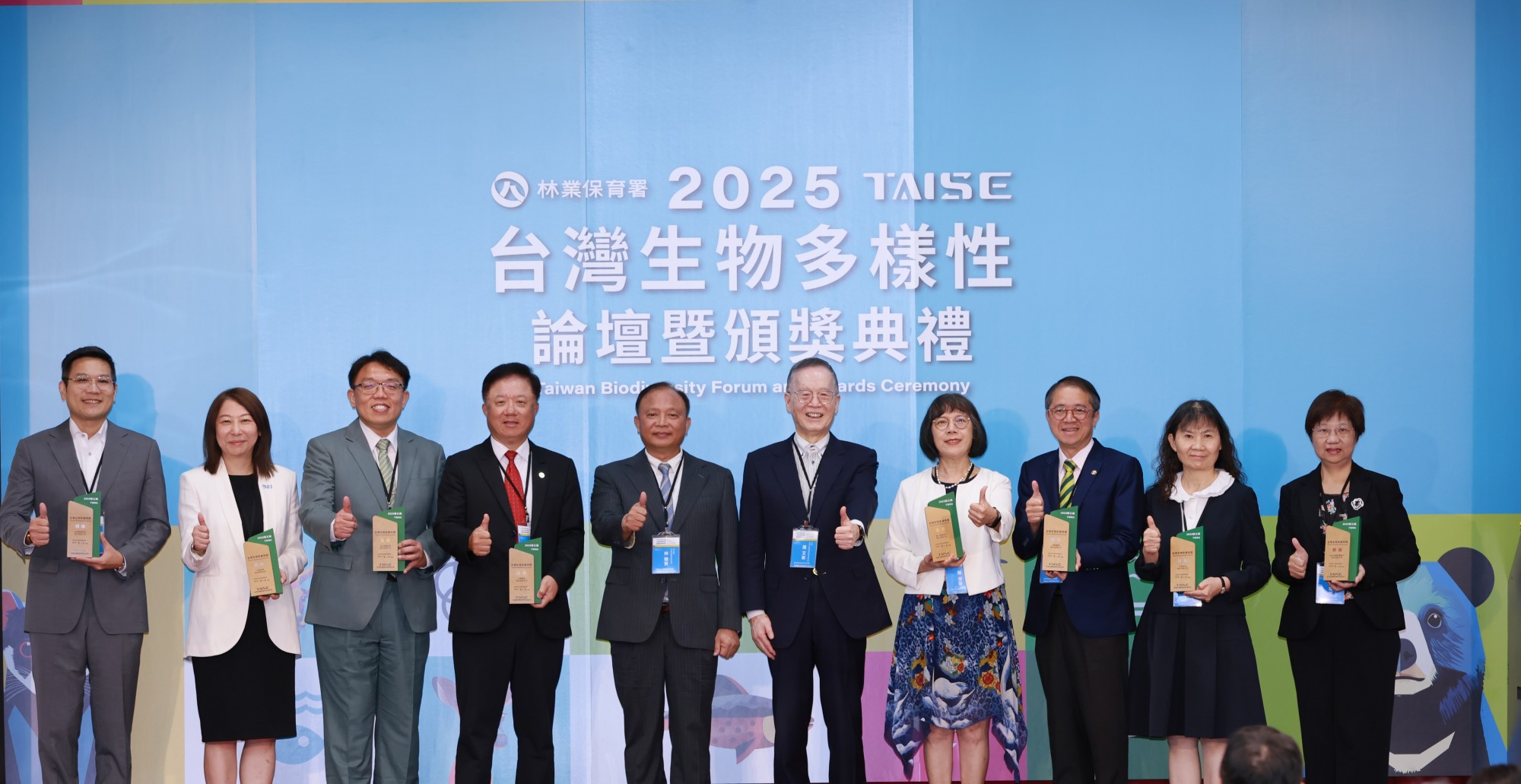
    TAISE Chairperson Eugene Chien (fifth from right) and former Council of Agriculture Chairperson Tsung-Hsien Lin (fifth from left) present awards to for-profit winners.

    Amid escalating global climate threats, biodiversity has become central to sustainable governance. The Forestry and Nature Conservation Administration, Council of Agriculture, and Taiwan Institute for Sustainable Energy (TAISE) co-hosted the third annual Taiwan Biodiversity Forum and Awards on December 22, 2025, attracting over 1,000 in-person and online attendees. Under the theme “Disclosure and Implementation Challenges,” leaders from industry, government, and academia examined Taiwan’s land and marine conservation progress, focusing on natural carbon sinks and global reporting standards to drive nature-positive outcomes.


    TAISE Chairperson Eugene Chien stressed that biodiversity underpins the well-being of all species on Earth, which is why the United Nations calls on all stakeholders, especially companies, to step up. He noted that Taiwan’s businesses, schools, hospitals, and government agencies have built strong capacity on sustainability and climate action. Through TAISE’s annual awards, the foundation highlights top practices, encouraging more companies to participate, shaping culture, and accelerating progress.
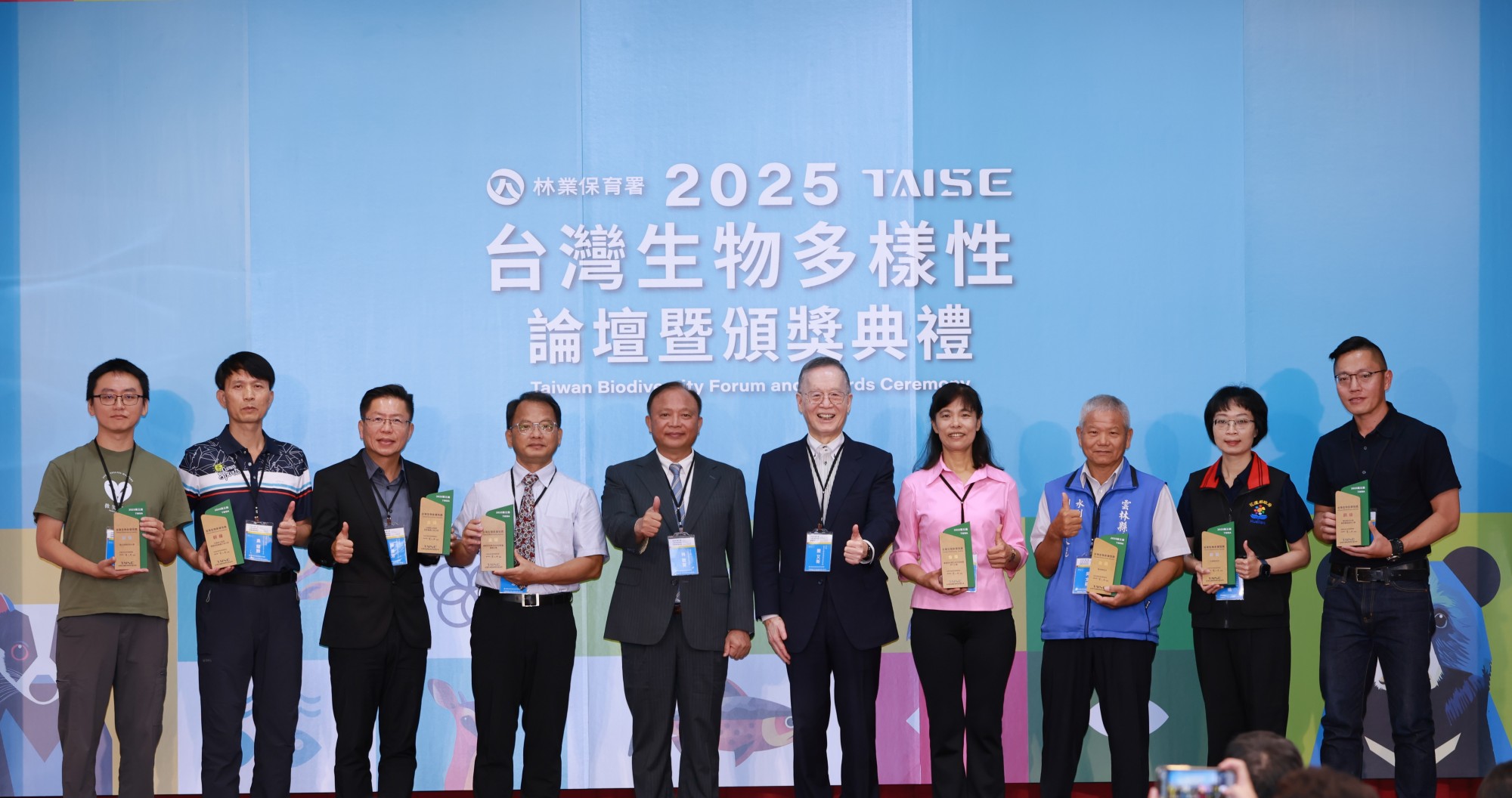


    TAISE Chairperson Eugene Chien (fifth from right) and former Council of Agriculture Chairperson Tsung-Hsien Lin (fifth from left) present awards to non-profit winners.


    Policy Leadership Safeguards Ecosystems

    Taiwan Biodiversity Awards judge and former Council of Agriculture Chairperson Tsung-Hsien Lin emphasized that biodiversity is not a distant concept; it is closely tied to everyday food security. After typhoons, the public quickly feels the impact of rising vegetable prices. Over the longer term, if bee populations decline and pollination fails, crop yields will drop. If this is compounded by pandemics or import disruptions, daily life for everyone will be at risk.


    Lin praised this year’s winners across business, government, and academia for creating outstanding examples that combine their core operations with technological innovation. He also highlighted the growing number of cross-sector public-private partnerships, which create powerful ripple effects. By sharing experience through the forum, organizations can learn from one another, refine their biodiversity pathways, and elevate Taiwan’s presence on the global stage.
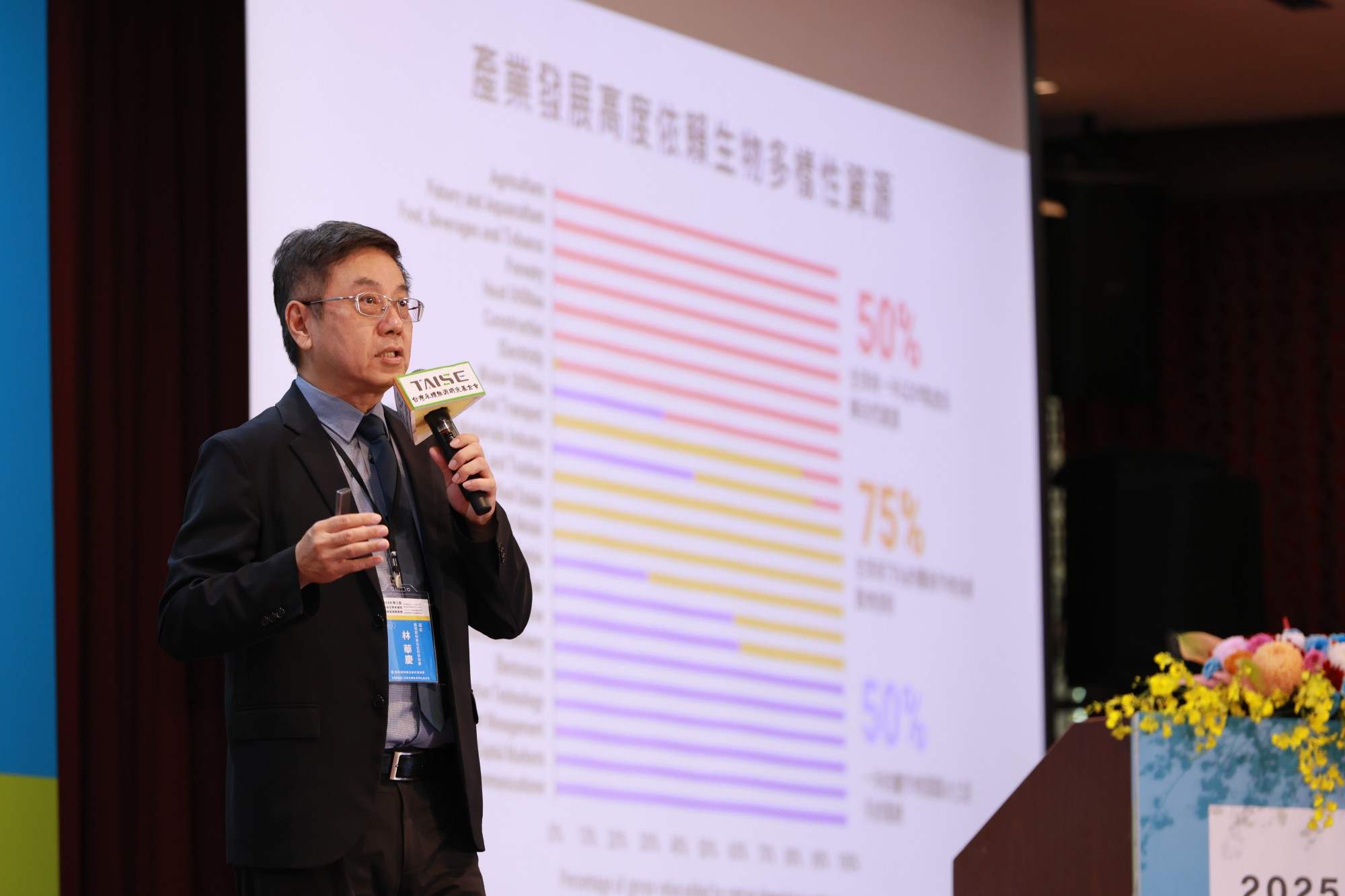


    Forestry and Nature Conservation Administration Director-General Hwa-Ching Lin encourages companies to use the Natural Carbon Sink and Biodiversity Project Matching Platform to support conservation.


    Forestry and Nature Conservation Administration Director-General Hwa-Ching Lin explained that everyone on Earth relies on biodiversity, and decisions in every sector affect these natural assets. To address this, the Administration uses the National Ecological Green Network Spatial Blueprint to help companies assess and reduce nature-related risks. It has also launched the “Natural Carbon Sink and Biodiversity Project Matching Platform,” which has already enabled 13 corporate collaborations. These projects, including work by the Chiayi and Hsinchu Divisions and several companies, demonstrate concrete contributions to biodiversity and received awards this year.

    On marine biodiversity, the Ocean Conservation Administration collaborates with academic societies, conservation groups, and industry. Grounded in field surveys and scientific research, it has established marine protected areas and funded community-based conservation projects. Director-General Hsiao-Yun Lu noted that businesses now recognize ESG as environment, social, and governance. For ocean conservation, she added, ESG also calls for Engagement, Solutions, and Guardianship. She invited the public and companies to follow the Administration’s work and join the journey toward sustainable oceans.
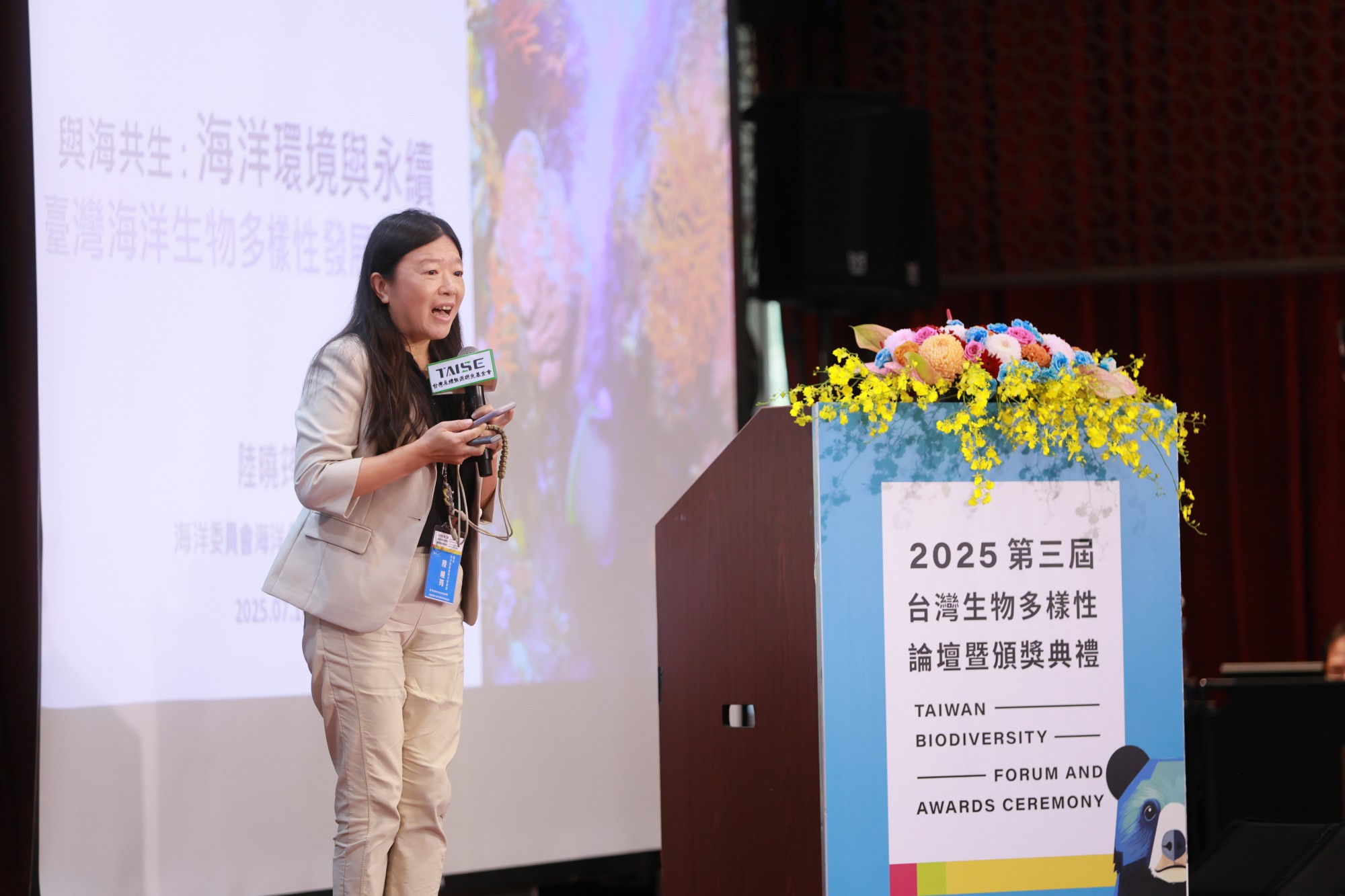


    Ocean Conservation Administration Director-General Hsiao-Yun Lu calls on the public and companies to follow the Administration and work together for marine biodiversity.

    Businesses Weave a Sustainability Safety Net


    Responding to global calls, First Commercial Bank has integrated biodiversity thinking into its operations, ensuring that both its own activities and those of its clients avoid environmentally sensitive areas and creating wildlife-friendly branches. General Services Department Manager Mao-Sung Kao cited urban branch window-collision prevention initiatives. These efforts range from hotspot surveys and window decal design to sustainable procurement and awareness-raising, helping birds stay safe. Partnerships with Taipei Zoo and the Yilan Forest District Office on Taipei frog conservation have also given staff a powerful and personal connection to nature.


    Chunghwa Telecom is working to deliver net-positive biodiversity outcomes by using AI-based electronic fencing to detect intrusions into black-faced spoonbill habitats and monitoring water conditions to improve quality, attracting more spoonbills to winter in Taiwan. The company has also implemented around 100 conservation projects that support the recovery of endangered plant species across the island. Chief Technology Officer and Executive Vice President Chih-Hsiung Huang noted that these initiatives not only create innovative, altruistic business models for conservation but also turn corporate volunteers into citizen scientists, linking hands-on nature experiences with management decisions and strengthening ecological resilience.


    Successful biodiversity action relies on broad collaboration. Regional divisions of the Forestry and Nature Conservation Administration act as ecological stewards and connect green corridors. Chiayi Division Section Chief Yu-Ching Hsu shared the example of the Churro tree frog. To protect habitats and promote eco-friendly farming, the division created a “Churro Tree Frog Friendly Habitat” label, supported by marketing and education to bring farmers on board. For the endangered Eurasian tree sparrow, ecological payment schemes coupled with community forestry initiatives have resulted in steadily increasing fledgling numbers. She emphasized that cross-sector collaboration is central to the National Ecological Green Network and called for more partners to help build a society where people and nature thrive together.


    Jane Goodall Institute Global Chair Tim Loto also joined the forum via video, commending Taiwan’s efforts. He highlighted the deep, long-term impact of the Roots & Shoots program and urged all sectors to keep taking action to avert the extinction risk facing a million species.
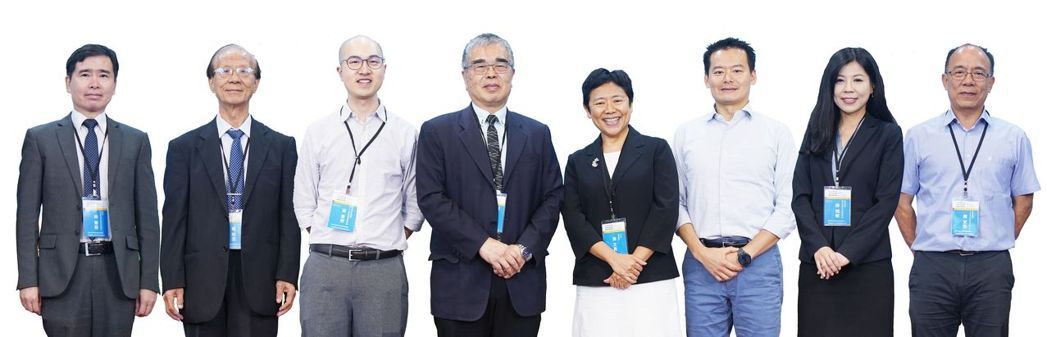

    From left: NTU College of Bioresources and Agriculture Dean Yu-Bin Lin, Academia Sinica Academician Chiu-Chung Yang, FSC Market Development Manager Kui-Jung Huang, NTU Experimental Forest Manager Ming-Jer Tsai, Ministry of Environment Deputy Minister Wen-Chen Shih, Pan Yong Consultant Director Yao-Te Chen, National Chung Hsing University Distinguished Professor Wan-Yu Liu, and National Taiwan Ocean University Distinguished Professor Wen-Chen Chou.

    Expert Recommendations Accelerating Nature Transitions and Carbon Economies


    For businesses, engaging with biodiversity goes beyond fulfilling responsibilities to the planet. The forum featured two themed panels, “Biodiversity and Natural Carbon Sinks” and “Exploring and Applying International Biodiversity Standards,” where leading scholars examined the latest progress on natural carbon sinks and discussed how to align with international disclosure frameworks and certification markets.


    National Chung Hsing University Distinguished Professor Wan-Yu Liu drew on international case studies to emphasize that sustainable forest management is essential for achieving net-zero emissions and supporting a circular economy. For companies, building natural capital used to be seen mainly as philanthropy. Now, with green carbon and ecosystem services gaining value, nature is becoming a tangible source of competitive advantage for both firms and countries.


    Beyond forests, the carbon sink potential of oceans and soils is attracting growing attention. National Taiwan Ocean University Distinguished Professor Wen-Chen Chou analyzed the potential of Taiwan’s blue carbon ecosystems from both theoretical and empirical perspectives, calling for more research on marine carbon sinks and removals to help reach the 2050 net-zero goal. Academia Sinica Academician Chiu-Chung Yang recommended increasing soil organic matter, sometimes referred to as “brown carbon,” to help achieve the 2040 natural carbon sink target while also enhancing biodiversity. He highlighted TTT enzyme technology as a potentially transformative tool in this area.


    For companies facing mounting expectations on biodiversity assessments and nature transition plans, Pan Yong Consultant Director Yao-Te Chen advised following international frameworks such as the Taskforce on Nature-related Financial Disclosures (TNFD) and implementing them step by step in an integrated way. NTU Experimental Forest Manager Ming-Jer Tsai introduced emerging “biodiversity credit” pathways and invited businesses to take concrete action toward nature-positive growth and long-term sustainability goals.


    From individual projects to broader value chains, FSC Market Development Manager Kui-Jung Huang noted that 72% of Taiwan’s forest area is now FSC-certified. Looking ahead, he sees opportunities to further strengthen sustainable management in private forests and expand impact-focused certification.

    Back
    TCSA (Taiwan Corporate Sustainability Awards)
    Taiwan Institute for Sustainable Energy (TAISE)
    Rm. 2, 4F/1CRoom, No, 188,Sec. 5, Nanjing E. Rd., Songshan Dist.,Taipei City 105411, Taiwan, R.O.C.
    TWCA
    Taiwan Institute for Sustainable Energy.All rights reserved.
    Power by Acart eCommerce:: Host