

2026 Taiwan Sustainable Investment Forum Explores AI and Blended Finance
AI Connects Digital and Green Dual Transformation, Highlighting New Momentum in Blended Finance
TAISE Joins Domestic and International Partners to Explore New Pathways for Sustainable Capital
2026 Taiwan Sustainable Investment Forum and Awards Ceremony
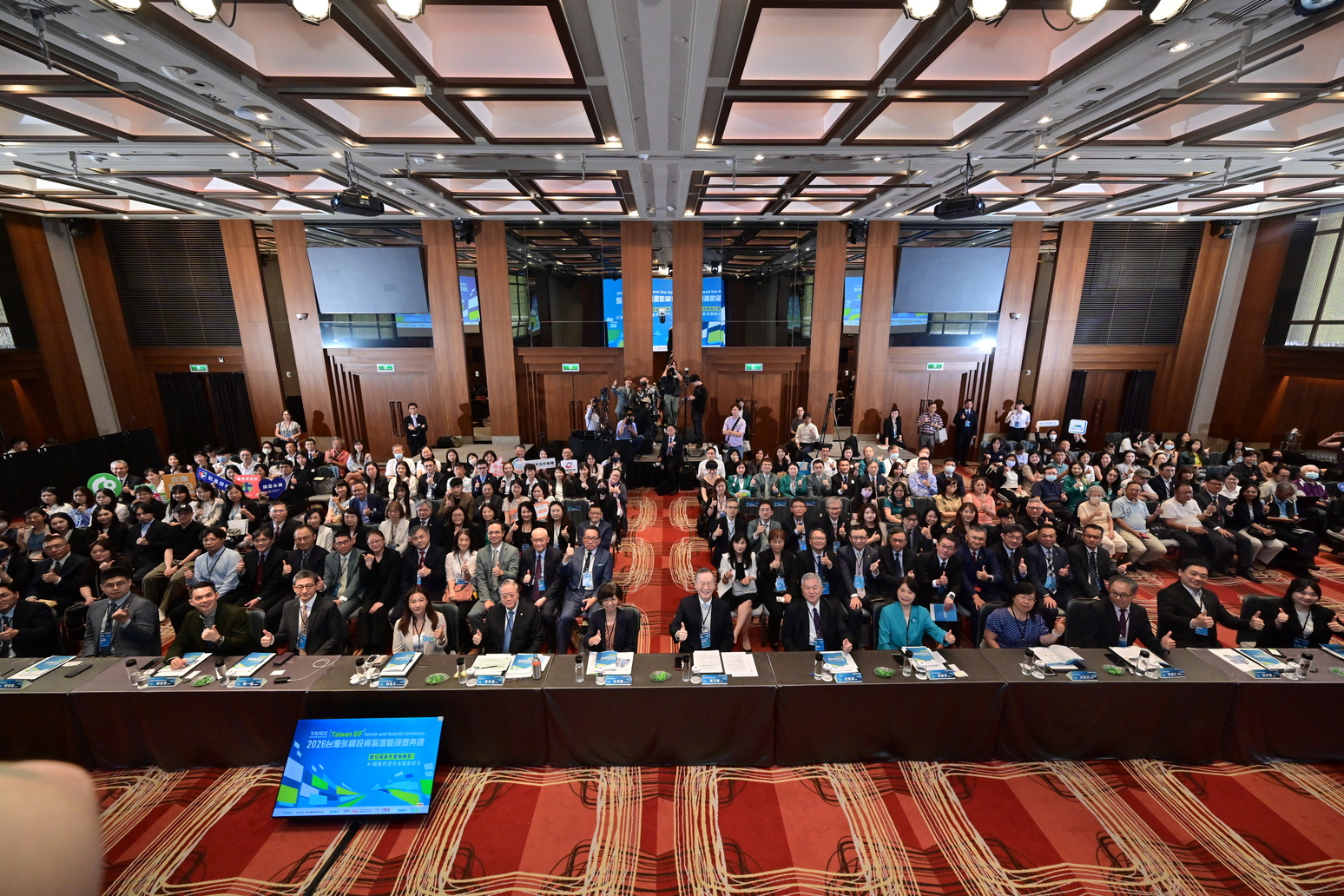
The "Taiwan SIF 2026 Sixth Taiwan Sustainable Investment Forum and Awards Ceremony," organized by the Taiwan Institute for Sustainable Energy (TAISE), was successfully held at the Shangri-La Far Eastern, Taipei. Under the theme "Digital and Green Dual Transformation: A New Era of AI-Driven Blended Finance," the event welcomed representatives from the Financial Supervisory Commission and the Presidential Office. Domestic and international partners, including the Taiwan Academy of Banking and Finance, S&P Global Energy Horizons, the Asian Venture Philanthropy Network (AVPN), the Japan Sustainable Investment Forum (JSIF), and KGI Securities, contributed keynote presentations and case studies. According to event statistics, more than 1,100 representatives registered to participate both online and in person. Participants explored how AI can enhance risk identification and capital allocation, while blended finance can mobilize private capital to support industrial transformation.
Sustainable Finance Evolves from Risk Management to Value Creation
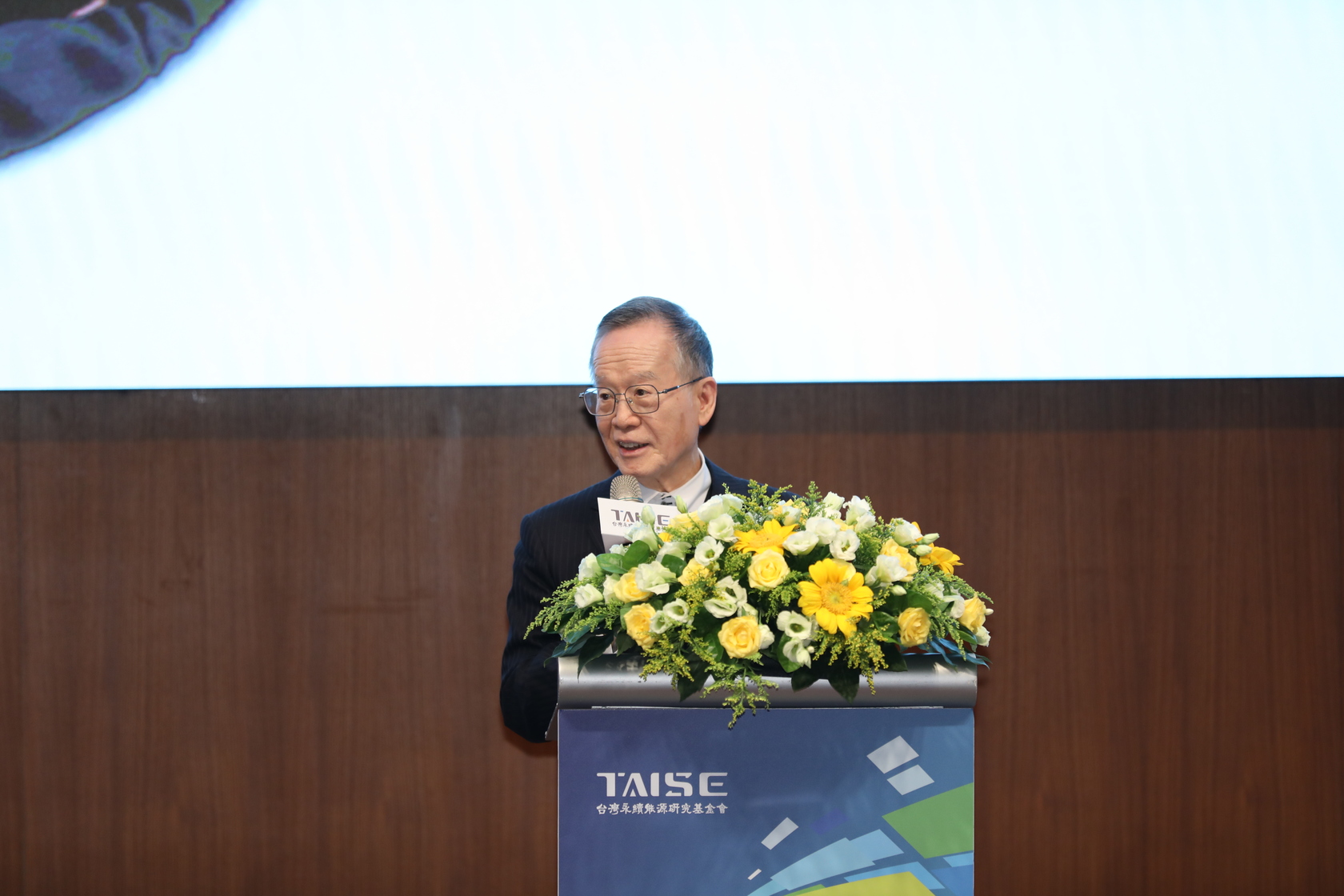
Ambassador-at-Large of the Republic of China (Taiwan) and TAISE Chairman Chien stated that sustainable finance has become a core strategy for the financial industry. Looking ahead, the sector will move from ESG investment toward transition finance while accelerating the adoption of AI and blended finance. Natural capital, biodiversity, and tangible value creation will also become key areas of focus. He expressed hope that stakeholders would work together to build Asia's most trusted financial investment market and support Taiwan's transition toward net-zero emissions by 2050.
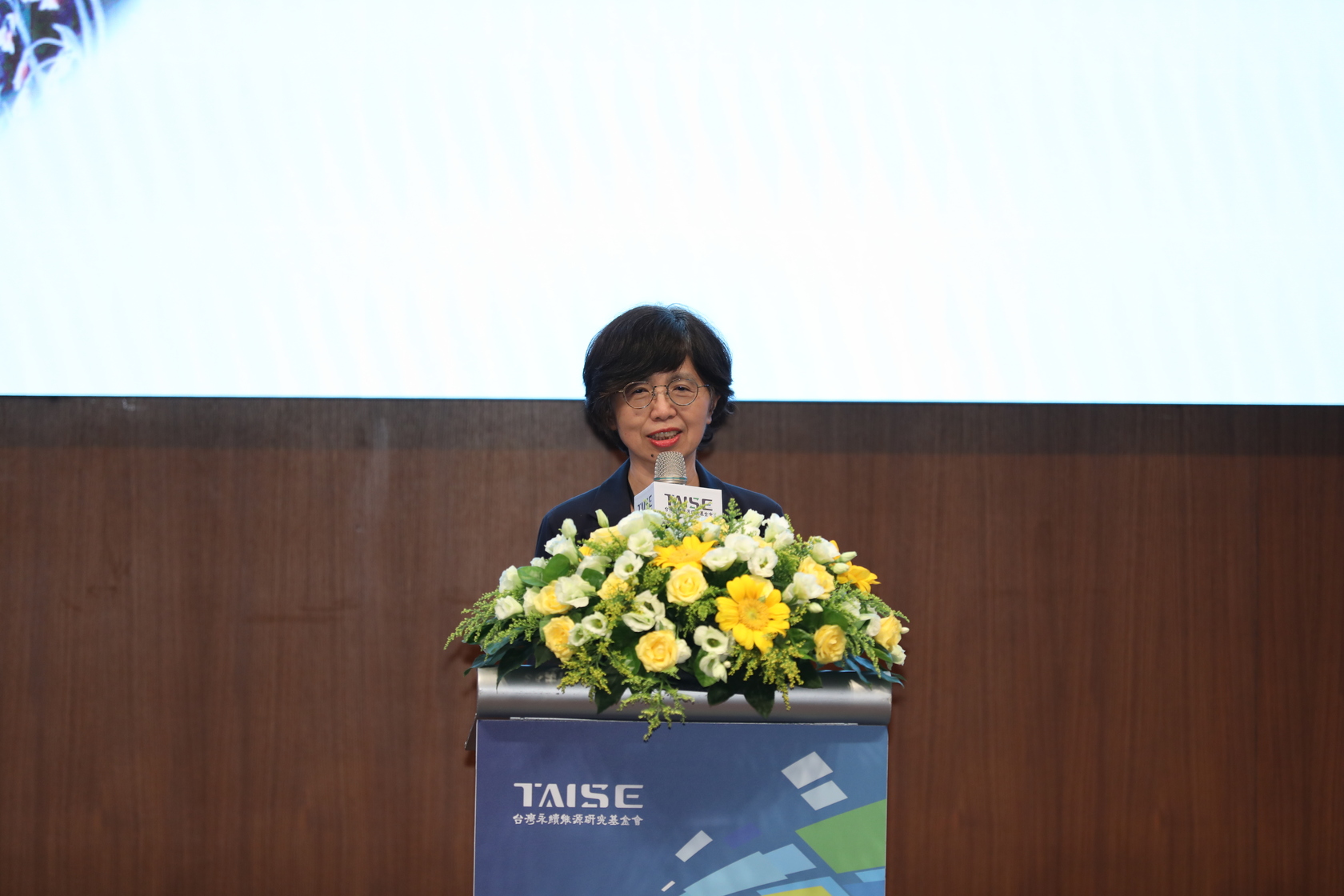
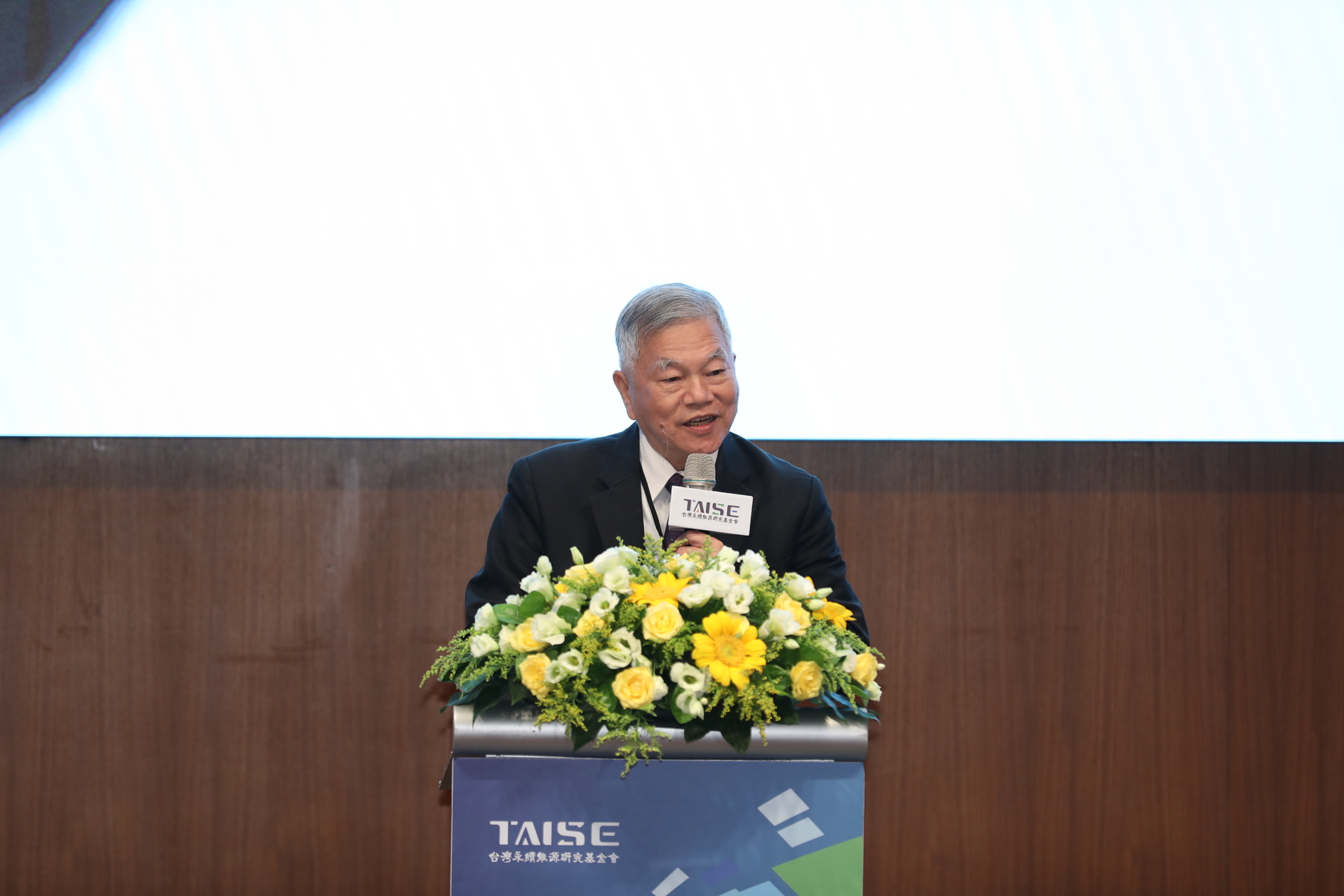
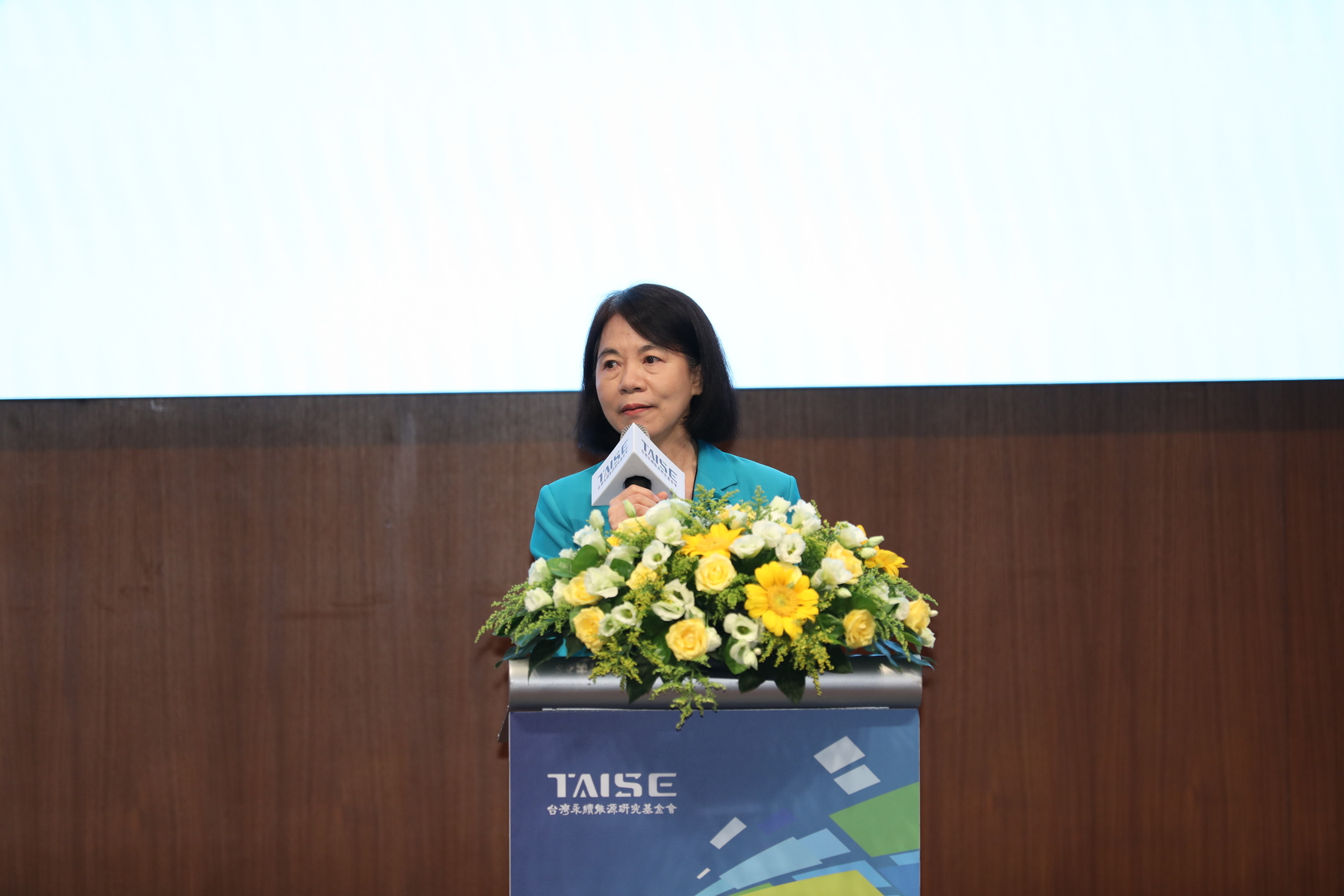
Financial Supervisory Commission Vice Chairperson Chuang pointed out that, as of the end of May this year, Taiwan's green financing and investment had reached NT$5.3046 trillion, while government policies had expanded from green finance to transition finance. Senior Advisor to the President Shen stated that the government plans to invest more than NT$1 trillion in net-zero transformation before 2030, mobilizing at least NT$5 trillion in private green investment and financing to advance toward the national target of a 38% ± 2% reduction in carbon emissions by 2035. In addition, Forum Convener and TAISE Secretary-General Chou emphasized that Taiwan should further develop blended finance to amplify investment through public-private partnerships. Although JSIF Chairman Ozeki was unable to attend in person, he shared Japan's experiences in promoting climate transition bonds, resilience bonds, and cross-border collaboration through a prerecorded video presentation.
Recognizing Responsible Investment Achievements and Expanding Financial Influence
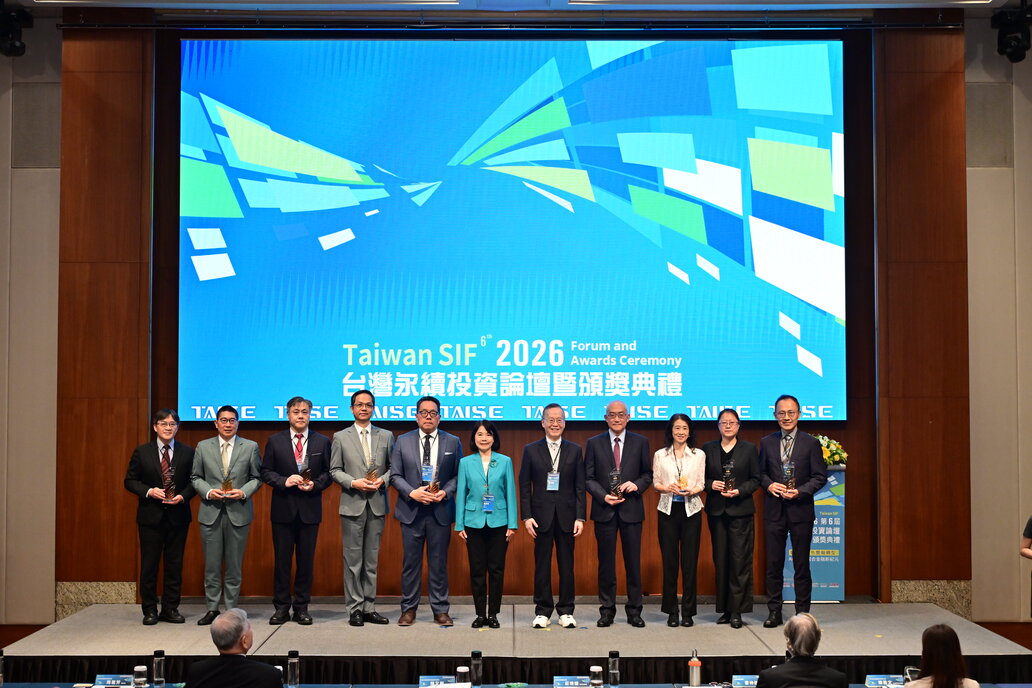
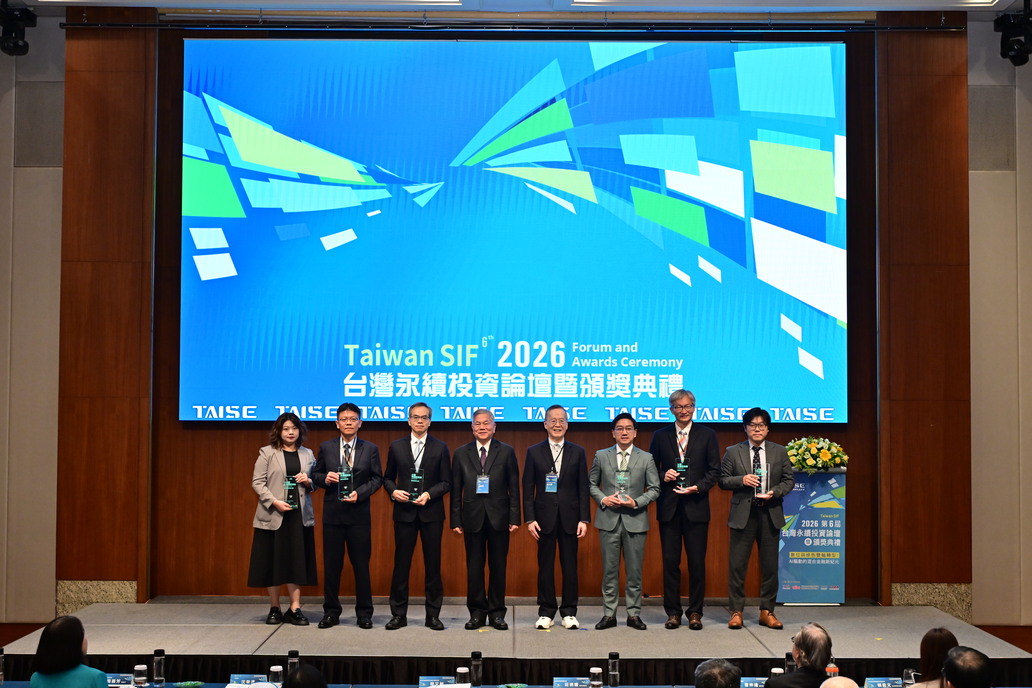
The event also featured the sixth "Taiwan SIA Taiwan Sustainable Investment Awards" ceremony. The highest honor in the Institutional Impact category, the "Excellence Award," was presented to E.SUN Financial Holding in the financial holding company group; Fubon Life Insurance and Nan Shan Life Insurance in the life insurance group; First Commercial Bank in the banking group; KGI Securities and E.SUN Securities in the securities group; and CTBC Investments, Yuanta Securities Investment Trust, and Fubon Asset Management in the investment trust group. These achievements demonstrate that responsible investment practices have been widely implemented across diverse segments of the financial industry.
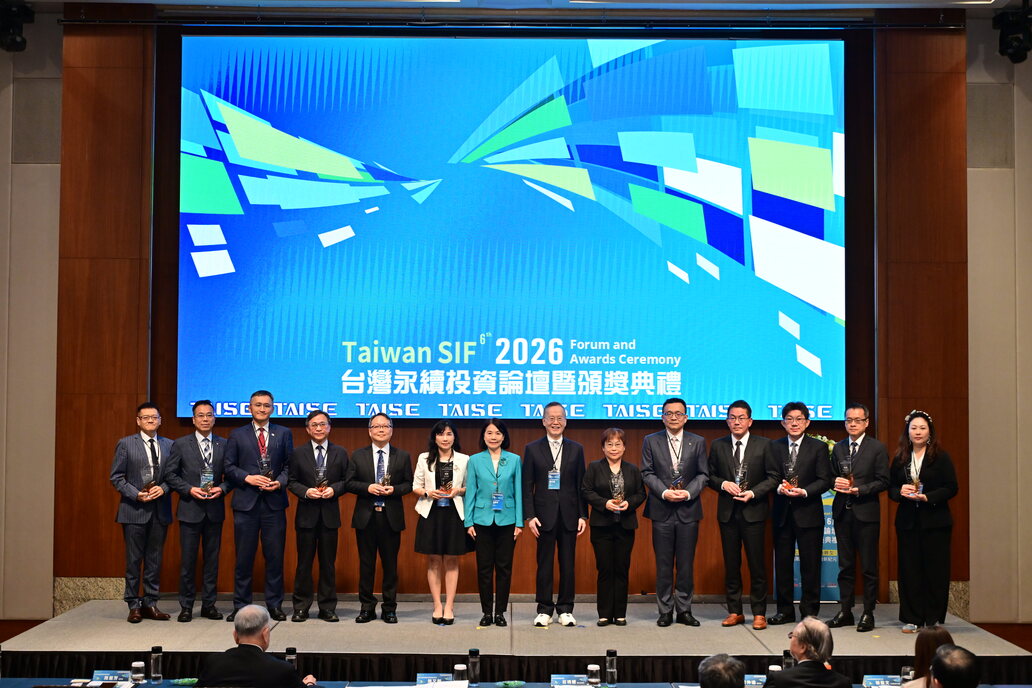
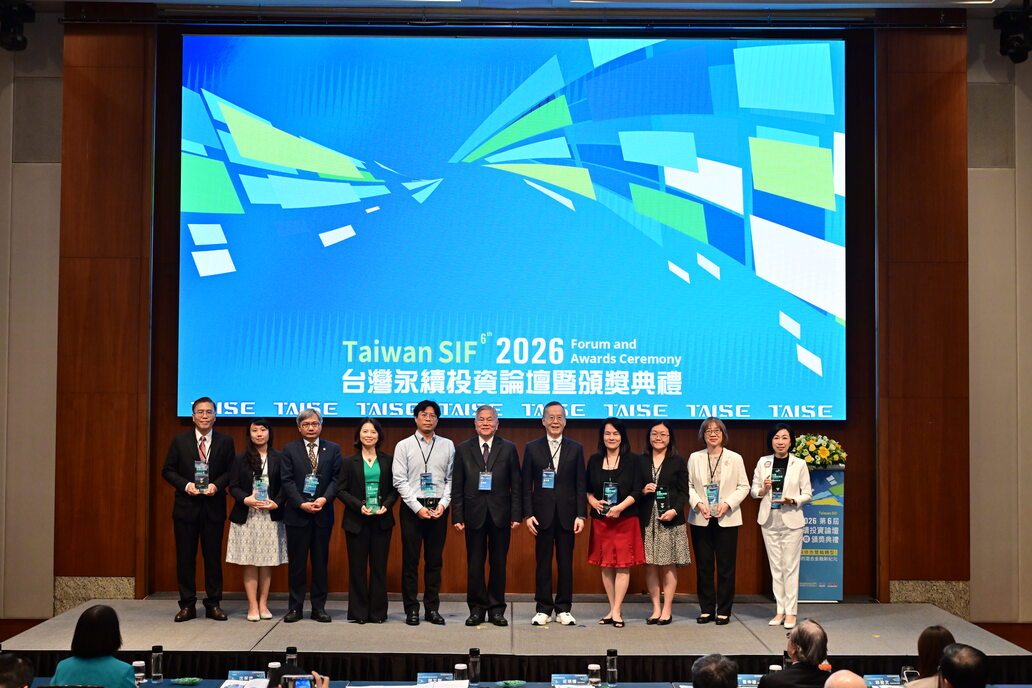
In the Case Impact category, the ESG Innovation Gold Award was presented to Yuanta Securities Investment Trust and IBF Financial Holdings. The Sustainable Bond Gold Award was awarded to E.SUN Financial Holding, Chang Hwa Bank, and Bank SinoPac. The Shareholder Action Gold Award went to Fubon Asset Management, CTBC Investments, E.SUN Asset Management, and E.SUN Financial Holding. The Corporate Engagement Gold Award was presented to E.SUN Financial Holding, Yuanta Securities Investment Trust, Cathay Futures, Fubon Asset Management, and Fubon Securities. The Sustainable Thematic Investment Gold Award was awarded to Fubon Asset Management and Fubon Securities, while Fubon Asset Management also received the Sustainable Fund Gold Award. KGI Life Insurance received the Impact Investment Gold Award. Notably, Fubon Asset Management received seven awards in total. The Department of Finance of Kaohsiung City Government also earned a Silver Award for sustainable bonds, demonstrating that responsible finance is expanding beyond private financial institutions into public-sector fundraising practices.
AI Bridges Information Gaps as Blended Finance Mobilizes Private Capital
The afternoon forum opened with a focus on "Blended Finance." Blended finance can utilize public or philanthropic funds, credit guarantees, and first-loss capital to reduce project risks and attract private investment in energy transition, green infrastructure, and decarbonization in carbon-intensive industries. Chairman Lei of the Taiwan Academy of Banking and Finance explained that AI can help address challenges such as insufficient information, difficulties in risk pricing, and high monitoring costs. However, explainable AI, data governance, and cybersecurity must be strengthened simultaneously. Director Chung of Sustainability Solutions at S&P Global further explained that combining AI with analyst verification can improve the timeliness and auditability of investment due diligence.
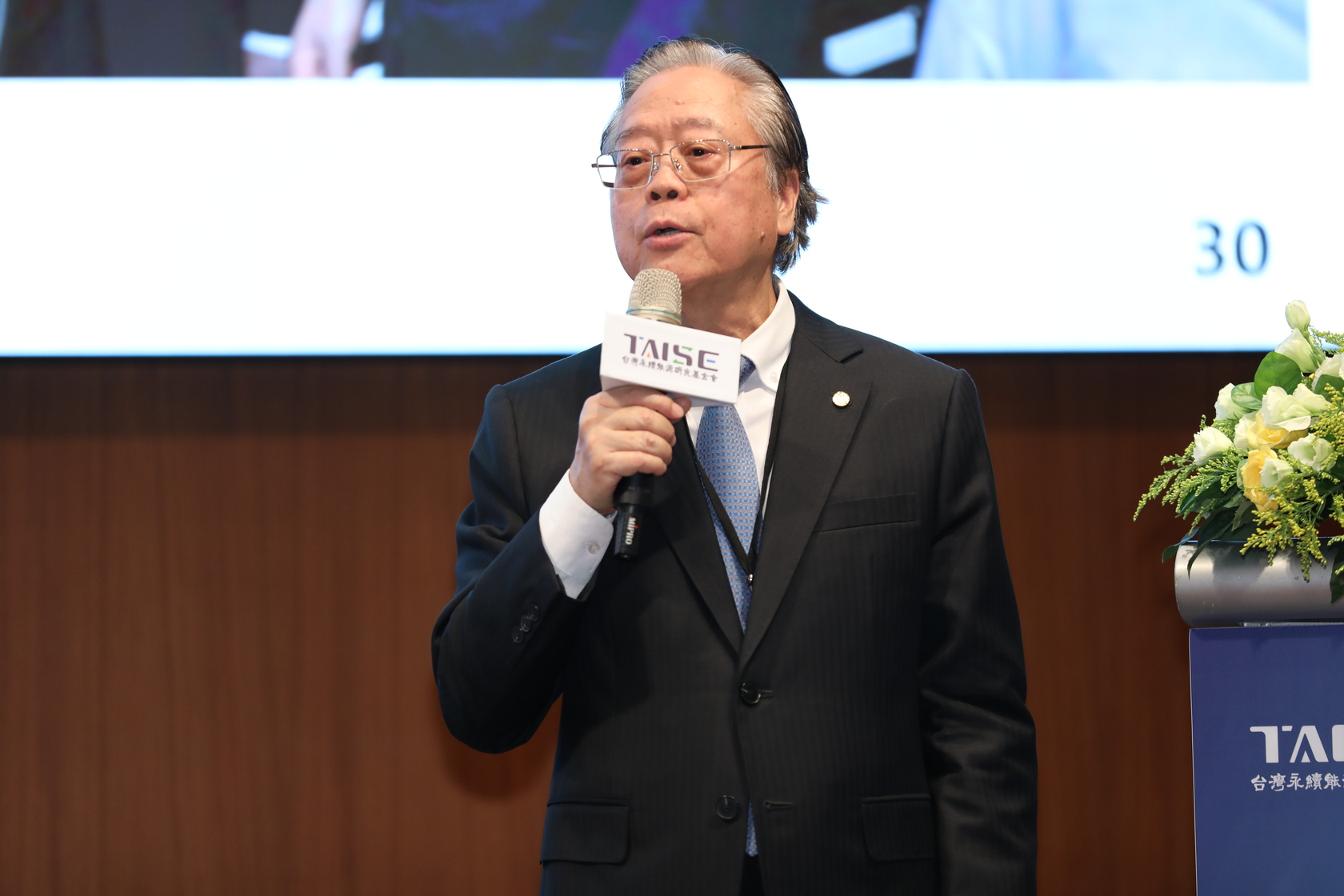
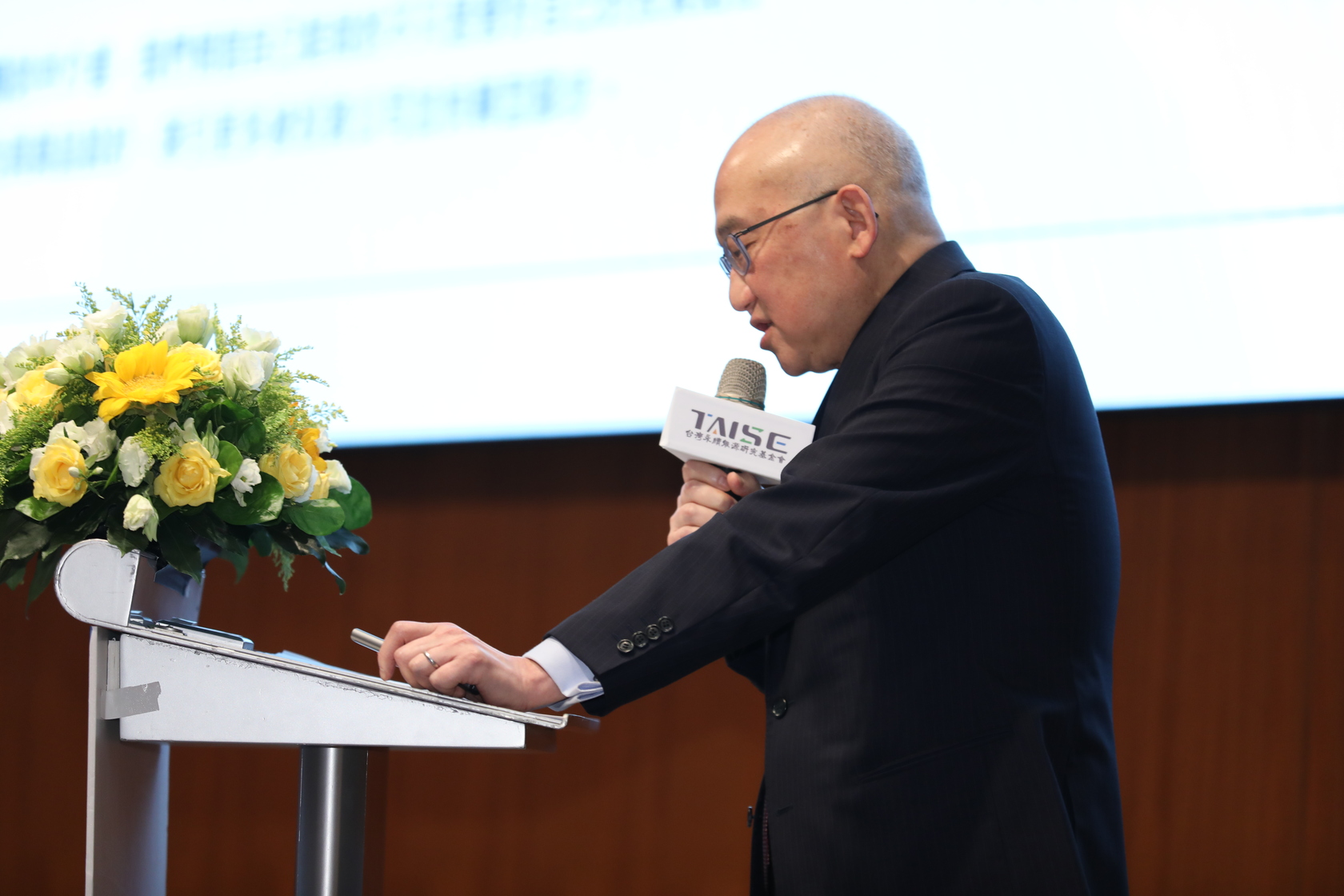
Director Wu of Impact Investing and Blended Finance at AVPN pointed out that Asia currently accounts for only approximately 20% of global blended finance transactions. Financial institutions in Taiwan can expand their participation in regional green transformation through guarantees, layered financing structures, and co-investment. Vice Chairman Mi of KGI Securities advocated moving corporate engagement upstream to the underwriting stage. He emphasized that AI should not replace human judgment but should instead help direct limited stewardship and due diligence resources toward risks that genuinely require attention.
Strengthening Market Mechanisms to Translate Sustainable Finance into Tangible Impact
As this year's event successfully concluded, TAISE put forward four recommendations. First, establish comparable standards for project data, risk pricing, and impact measurement. Second, make effective use of credit guarantees, first-loss capital, and technical assistance to develop investable projects. Third, uphold fundamental governance standards through explainable AI and human review. Fourth, extend corporate engagement to underwriting, post-investment monitoring, and cross-border collaboration. TAISE stated that only by transforming sustainable finance from a policy framework into measurable, verifiable, and scalable market impact can it become a solid foundation for Taiwan's digital and green dual transformation and long-term competitiveness.