

2026 Fourth Taiwan Biodiversity Forum and Awards Ceremony From International Standards to Industry
2026 Fourth Taiwan Biodiversity Forum and Awards Ceremony
From International Standards to Industry Value: TAISE Partners with the Forestry and Nature Conservation Agency to Advance Nature Transformation
Continuing their commitment to ecological conservation and sustainable development, the Taiwan Institute for Sustainable Energy (TAISE) and the Forestry and Nature Conservation Agency under the Ministry of Agriculture once again collaborated on the 22nd to jointly organize the "2026 Fourth Taiwan Biodiversity Forum and Awards Ceremony." Participating experts unanimously emphasized that, as global sustainability efforts accelerate, natural capital and biodiversity are no longer merely matters of traditional philanthropy. They have become critical indicators for corporate risk management and global supply chain operations.
This year's forum, themed "Nature Transformation in Practice: From International Standards to Industry Value," opened its morning session with remarks by TAISE Chief Operating Officer Chen. Experts from industry, government, and academia were invited to analyze the latest international trends and practical developments from the perspectives of natural capital, supply chain management, and other relevant areas. Companies and universities receiving this year's Taiwan Biodiversity Awards were also invited to share their firsthand experiences, encouraging more organizations to take action.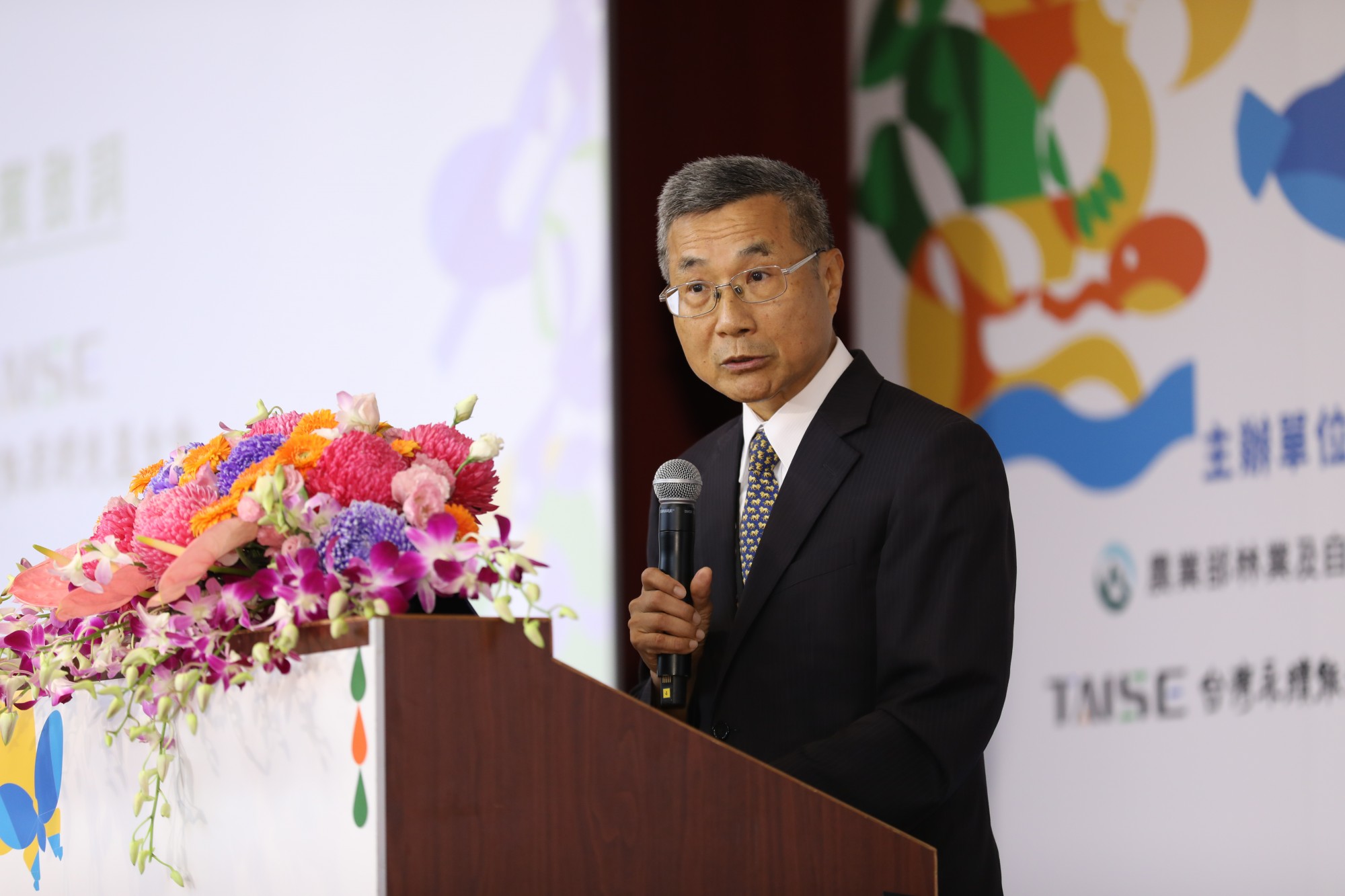
The morning session opened with remarks by TAISE Chief Operating Officer Chen.
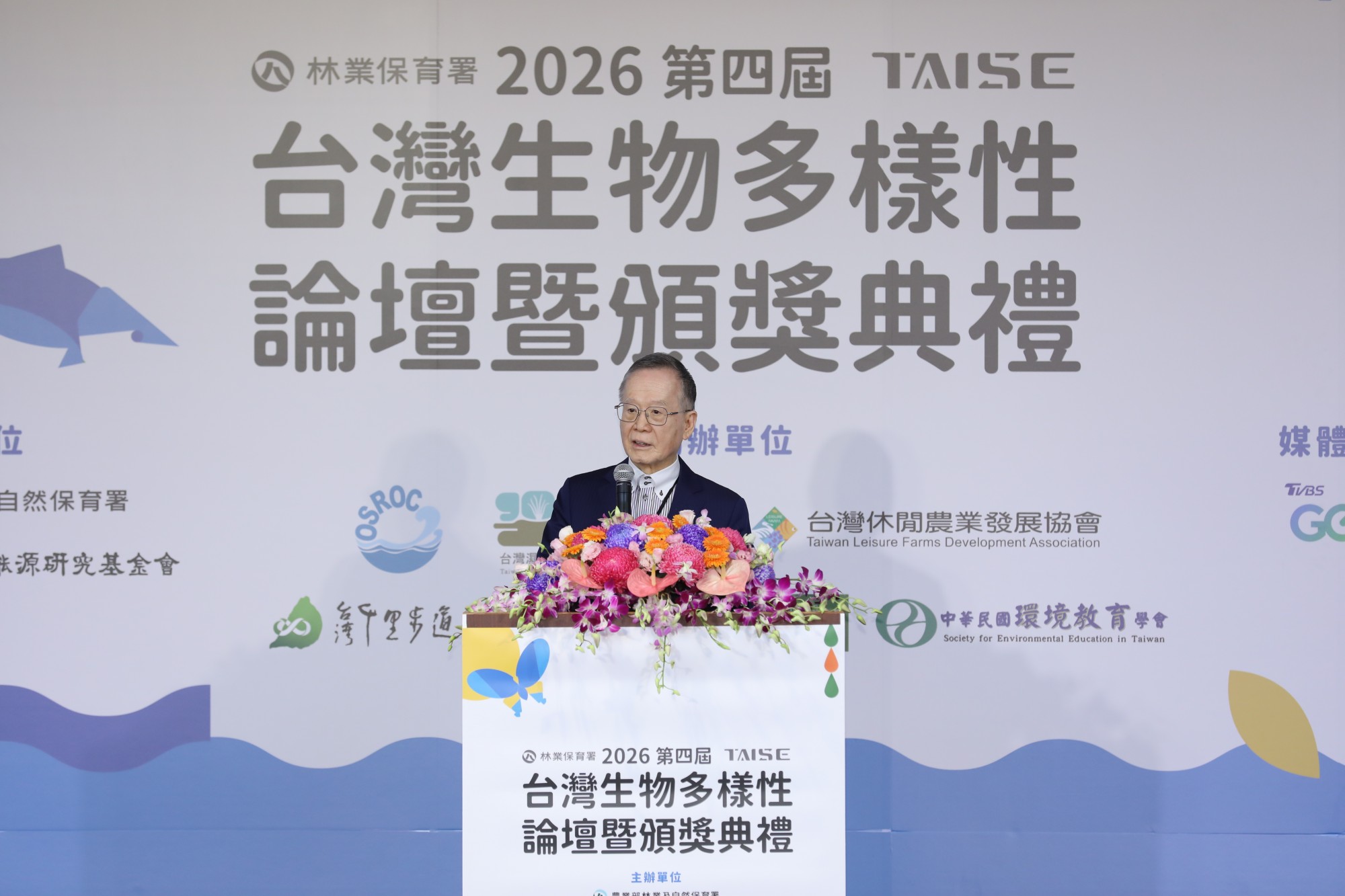
TAISE Chairman Chien delivered remarks at the Taiwan Biodiversity Forum and Awards Ceremony on the 22nd, commending this year's award-winning organizations.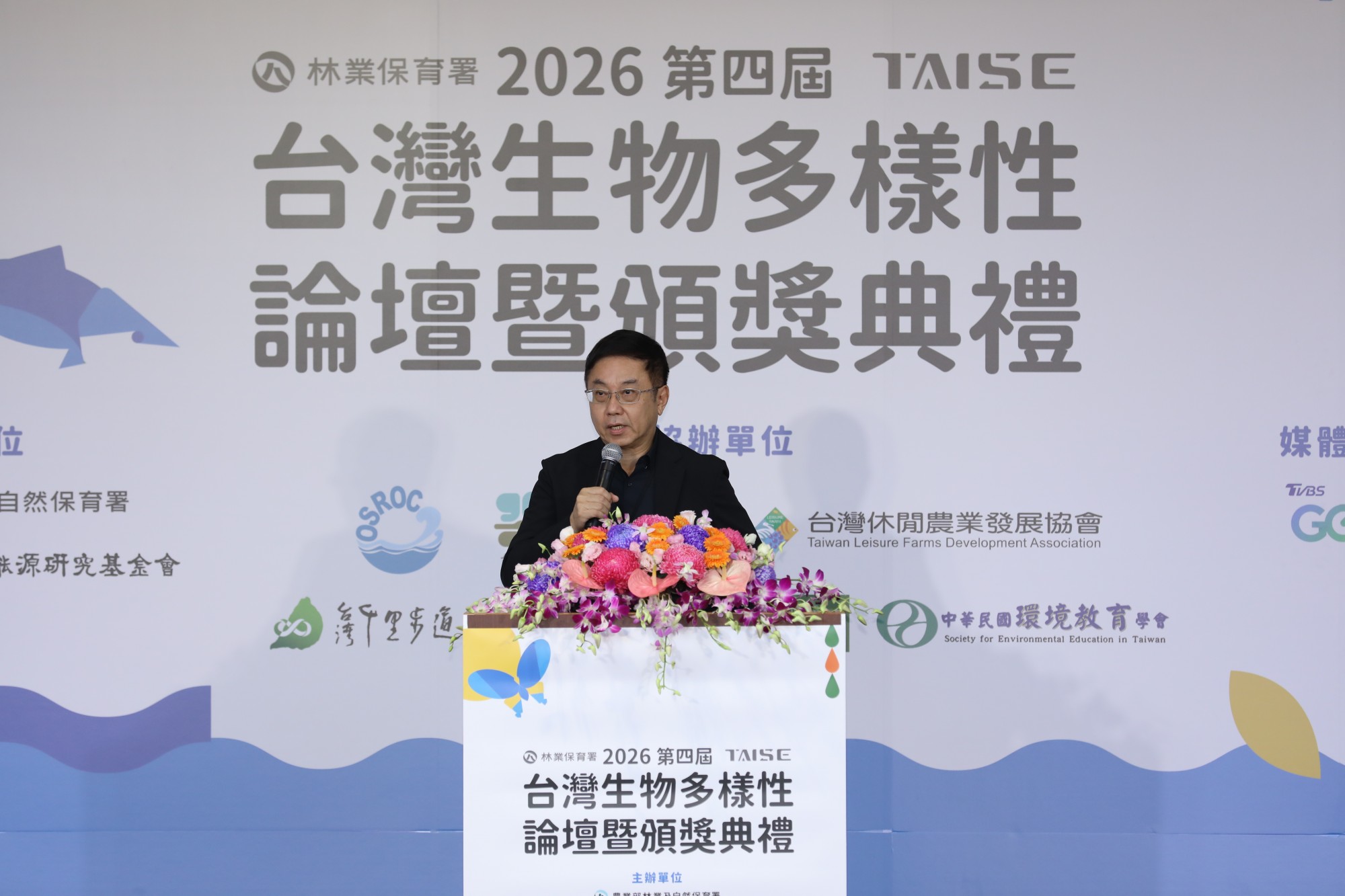
Director General Lin of the Forestry and Nature Conservation Agency under the Ministry of Agriculture delivered remarks at the Taiwan Biodiversity Forum and Awards Ceremony on the 22nd.
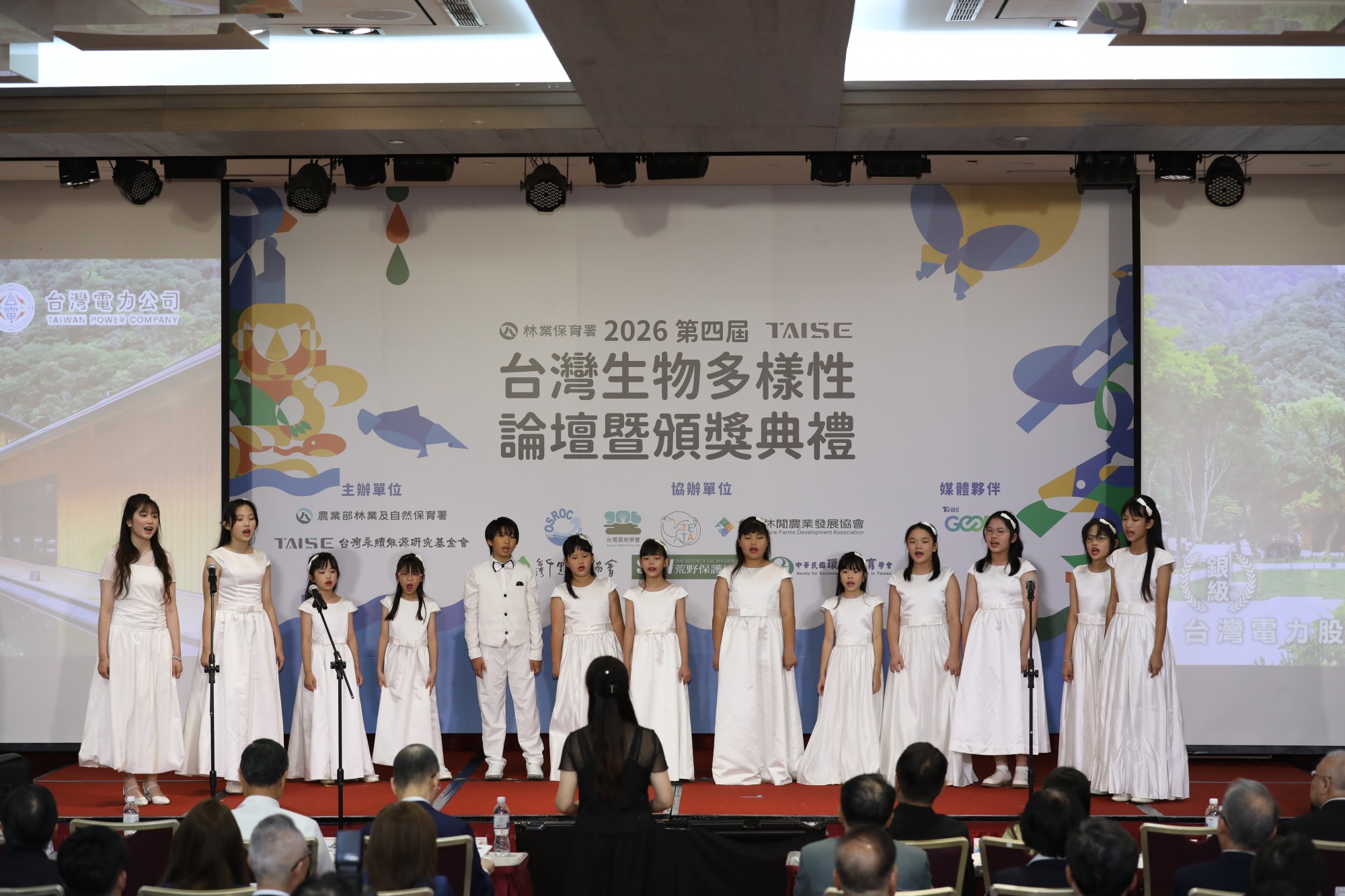
The Hsing An Elementary School Choir performed at the opening ceremony, presenting four well-known songs, including "Diu Diu Dang" and "Little Grass," alongside the documentary "Protecting the Island," authorized by the Forestry and Nature Conservation Agency, and videos featuring winners of the 2026 Fourth Taiwan Biodiversity Awards.
According to TAISE, this year's Taiwan Biodiversity Awards recognized 11 companies, including Ørsted, as well as six universities or government organizations, including Fo Guang University. To encourage organizations to publish nature-related financial disclosures in alignment with international standards, a TNFD Report Award was introduced for the first time, recognizing eight outstanding companies, including E.SUN Financial Holding and Chunghwa Telecom.
TAISE Chairman Chien reflected that, over the past two decades, stakeholders from various sectors have devoted substantial efforts to climate action. However, there has also been a growing recognition that biodiversity is not only the foundation of life but also central to corporate competitiveness. He commended this year's award recipients for recognizing the significance of biodiversity in their own operations and, in many cases, integrating cross-sector resources to advance collaborative initiatives. Their achievements demonstrate the strong capabilities of Taiwan's industry, government, and academia in implementing TNFD disclosures and local ecological conservation, setting important benchmarks for the industry's transition toward a Nature Positive future.
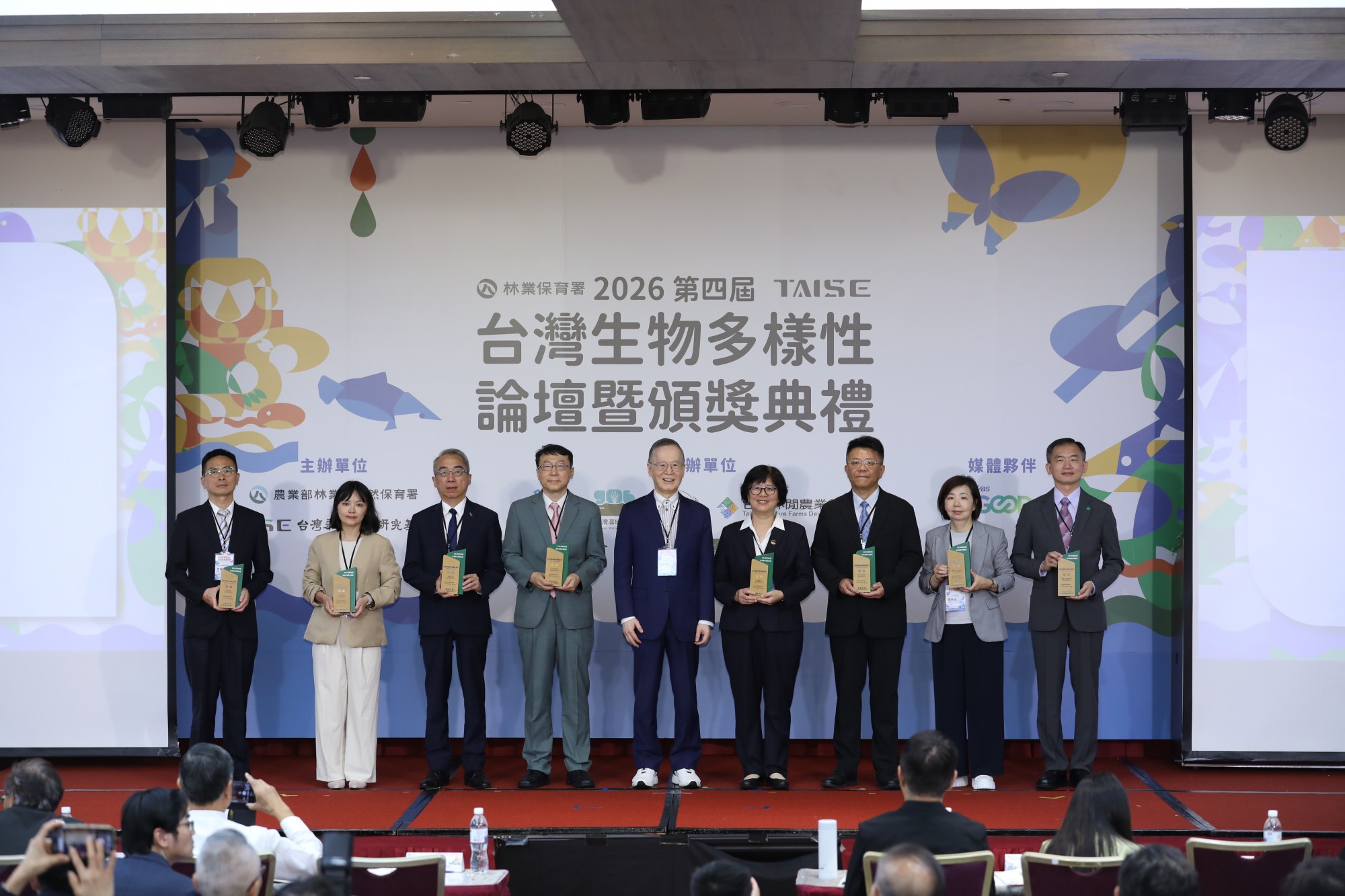
The TNFD Report Award was introduced for the first time this year. TAISE Chairman Chien (center) presented awards to eight outstanding companies, including E.SUN Financial Holding and Chunghwa Telecom.
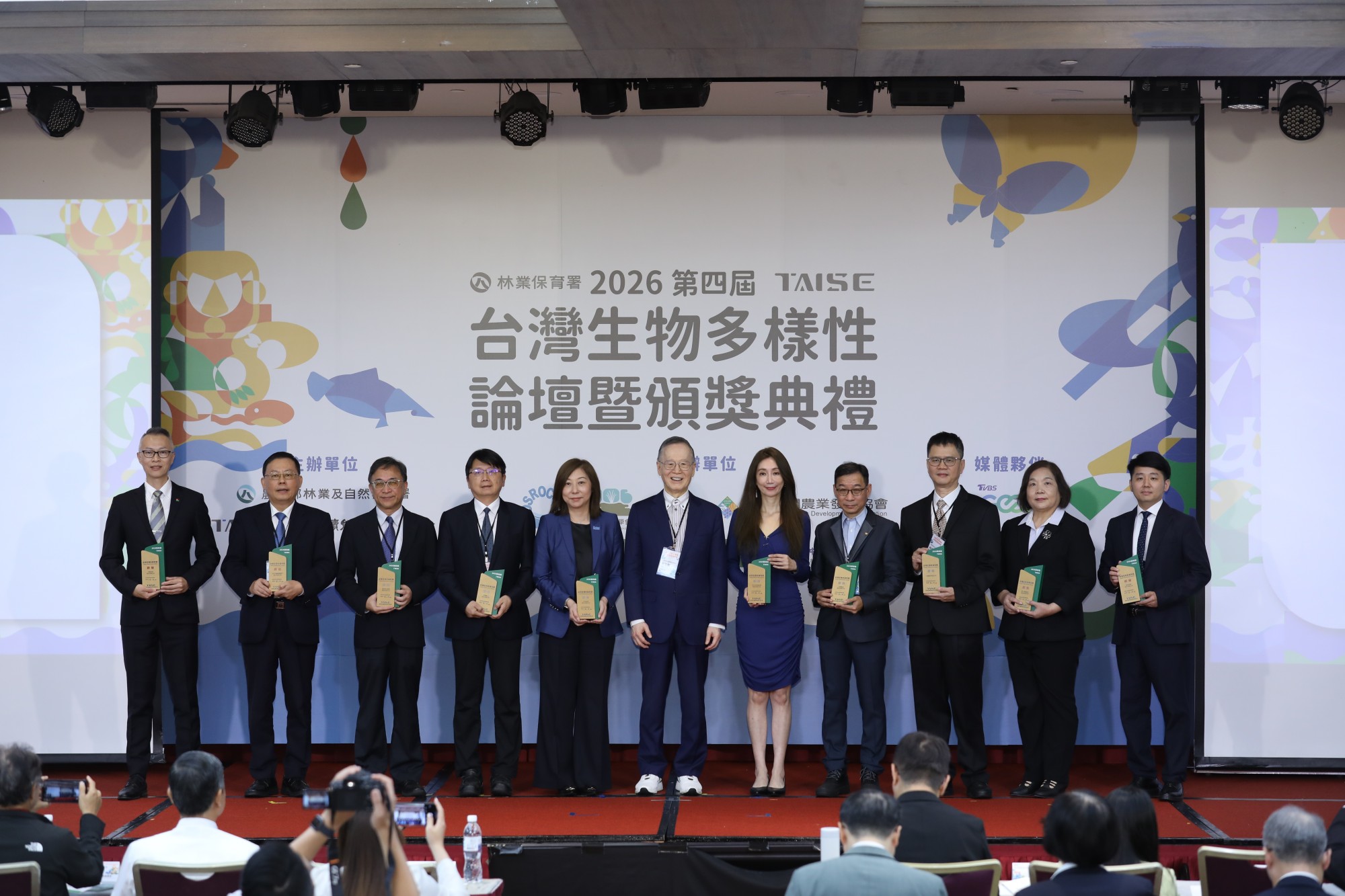
TAISE Chairman Chien (center) presented awards to representatives of the winners in the for-profit organization category.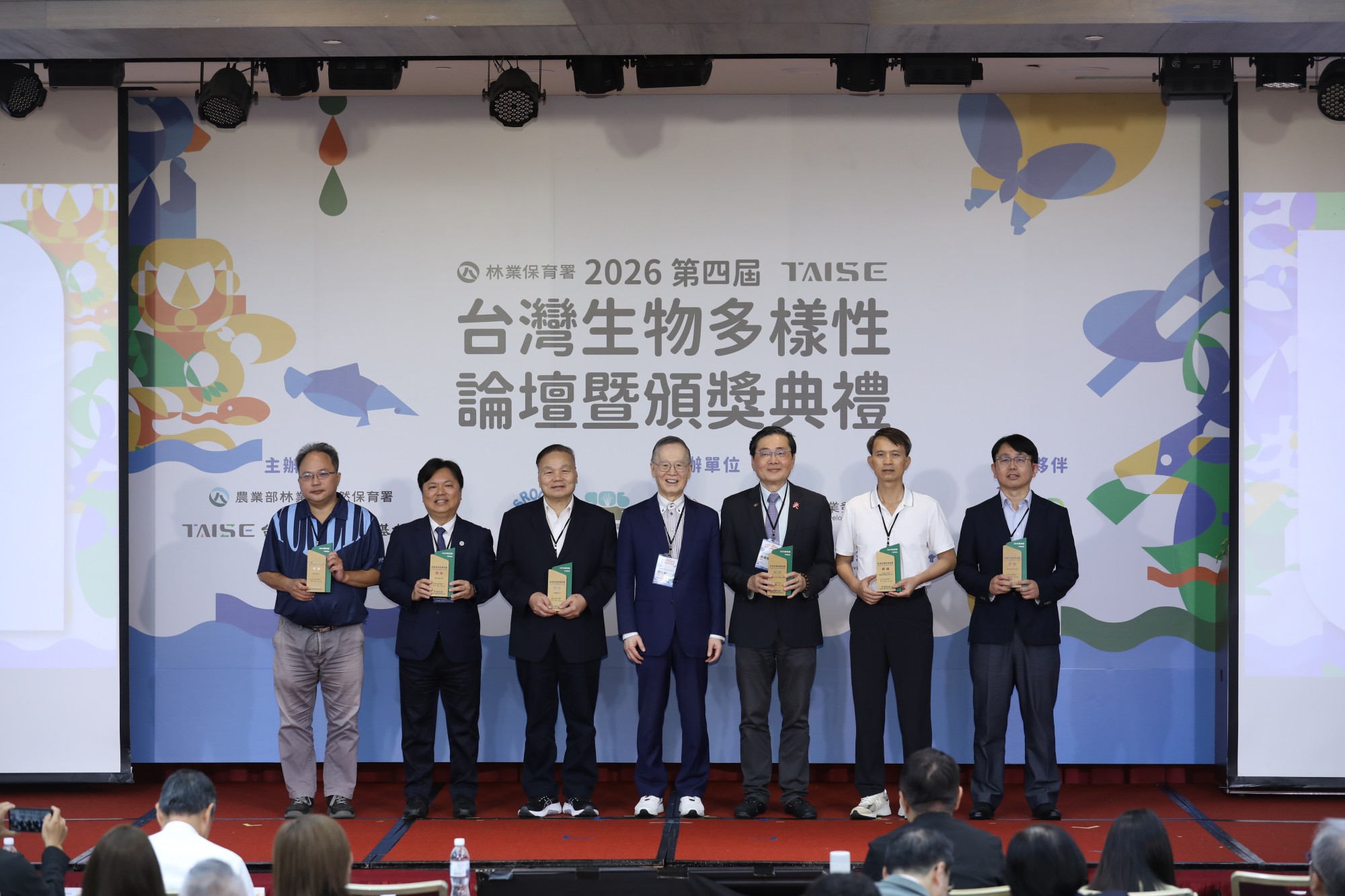
TAISE Chairman Chien (center) presented awards to representatives of the winners in the nonprofit organization category.
Policy Guidance and Collaboration Platforms Advance Terrestrial and Marine Conservation
Director General Lin of the Forestry and Nature Conservation Agency under the Ministry of Agriculture echoed these views, emphasizing that, in the face of the dual challenges of climate change and biodiversity loss, conservation efforts must go beyond simply maintaining the status quo and move toward becoming Nature Positive, harnessing the power of nature to strengthen national resilience. He explained that, in recent years, the government has built upon the Taiwan Ecological Network initiative to encourage collaboration between companies and local communities in developing natural carbon sinks. Measures include Other Effective Area-Based Conservation Measures (OECMs), ecological service payment programs for endangered species and important habitats, and ESG collaboration platforms. He expressed satisfaction that many exemplary initiatives had been recognized through this year's Biodiversity Awards.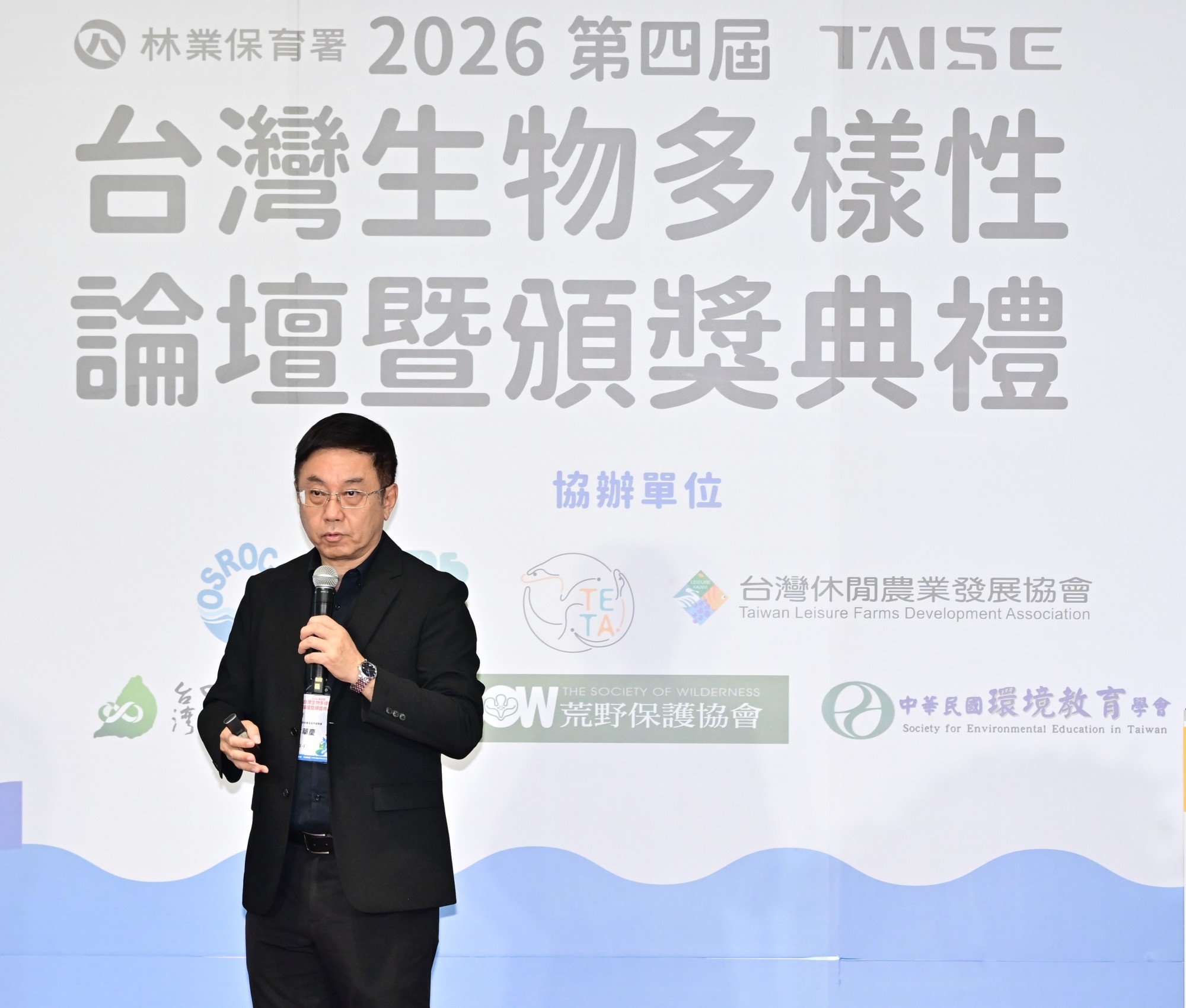
Forestry and Nature Conservation Agency Director General Lin emphasized that the government is working with businesses and communities to promote ecological networks and natural carbon sinks.
Beyond terrestrial ecosystems, Taiwan is surrounded by the ocean, with its maritime territory covering more than ten times its land area. In recent years, the Ocean Affairs Council has actively promoted species protection, habitat and ecosystem restoration, marine protected areas, and OECMs. In response to the corporate participation targets of the Kunming-Montreal Global Biodiversity Framework, Director General Lu of the Ocean Conservation Administration also invited companies to participate in its marine conservation ESG collaboration platform. Through this platform, companies can jointly engage in activities such as marine debris removal, habitat protection, marine surveys, and ocean education, contributing to marine conservation.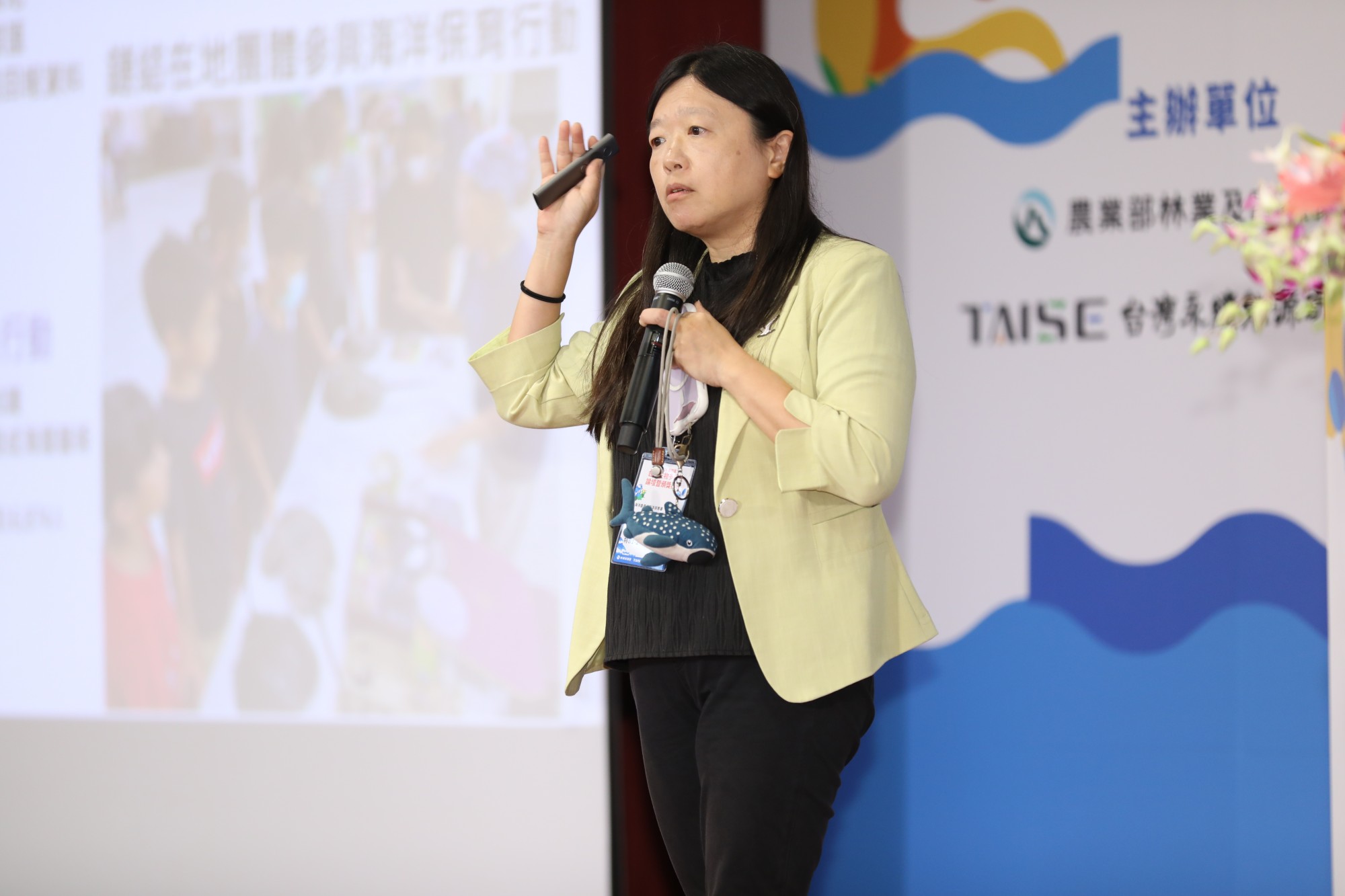
Ocean Conservation Administration Director General Lu invited companies to participate in marine conservation ESG initiatives and work together to protect the oceans.
Program Director Stout of the Forest Stewardship Council (FSC) also participated in the forum through a prerecorded video, praising the strong momentum demonstrated by cooperation among the Taiwanese government, Indigenous peoples, businesses, academia, and NGOs. She emphasized that biodiversity is not only an environmental issue but also a business and climate issue. Healthy forests and ecosystems are particularly important for maintaining carbon sinks, ecosystem services, and the functioning of the global economy. She welcomed the growing number of companies and organizations incorporating nature and biodiversity into their sustainability strategies and expressed hope that more partners would join these efforts.
Natural Capital Becomes a Driver of Corporate Competitiveness as International Standards Create New Value
With the European Sustainability Reporting Standards (ESRS) incorporating a dedicated biodiversity section and more than 29 jurisdictions worldwide initiating nature-related risk regulations, the quantification and marketization of natural capital are rapidly becoming major areas of international focus.
Professor Ting of the School of Forestry and Resource Conservation at National Taiwan University explained that biodiversity credits represent an important mechanism for addressing conservation funding gaps. Unlike carbon credits, which focus on a single indicator, biodiversity credits reflect local ecological characteristics and community connections. Dozens of methodologies have already been developed worldwide, while countries including the United States, the United Kingdom, and Australia are advancing relevant compliance and voluntary markets. He emphasized that the commercialization and marketization of ecosystem services represent an irreversible trend. Companies should connect government policies with private investment and transform regulatory requirements into market differentiation and competitive advantages.
Director Tsai of the Experimental Forest, College of Bioresources and Agriculture, National Taiwan University, cited international assessments projecting that the market for biodiversity and nature-based credits would grow from US$5.7 billion in 2024 to US$48.7 billion by 2034. He emphasized that, beyond responding to regulations such as TNFD and ESRS E4, companies should also recognize emerging business opportunities associated with "Nature Positive Product Value" and "Nature Finance." Scientific research can help build board-level confidence in allocating resources to natural capital.
Distinguished Professor Liu of the Department of Forestry at National Chung Hsing University noted that countries around the world increasingly regard natural capital as an asset that can be quantified and managed. International companies are beginning at the raw material procurement stage, using technology to monitor impacts while shifting toward proactive restoration and investment. These developments demonstrate that accumulating natural capital can directly create tangible business value.
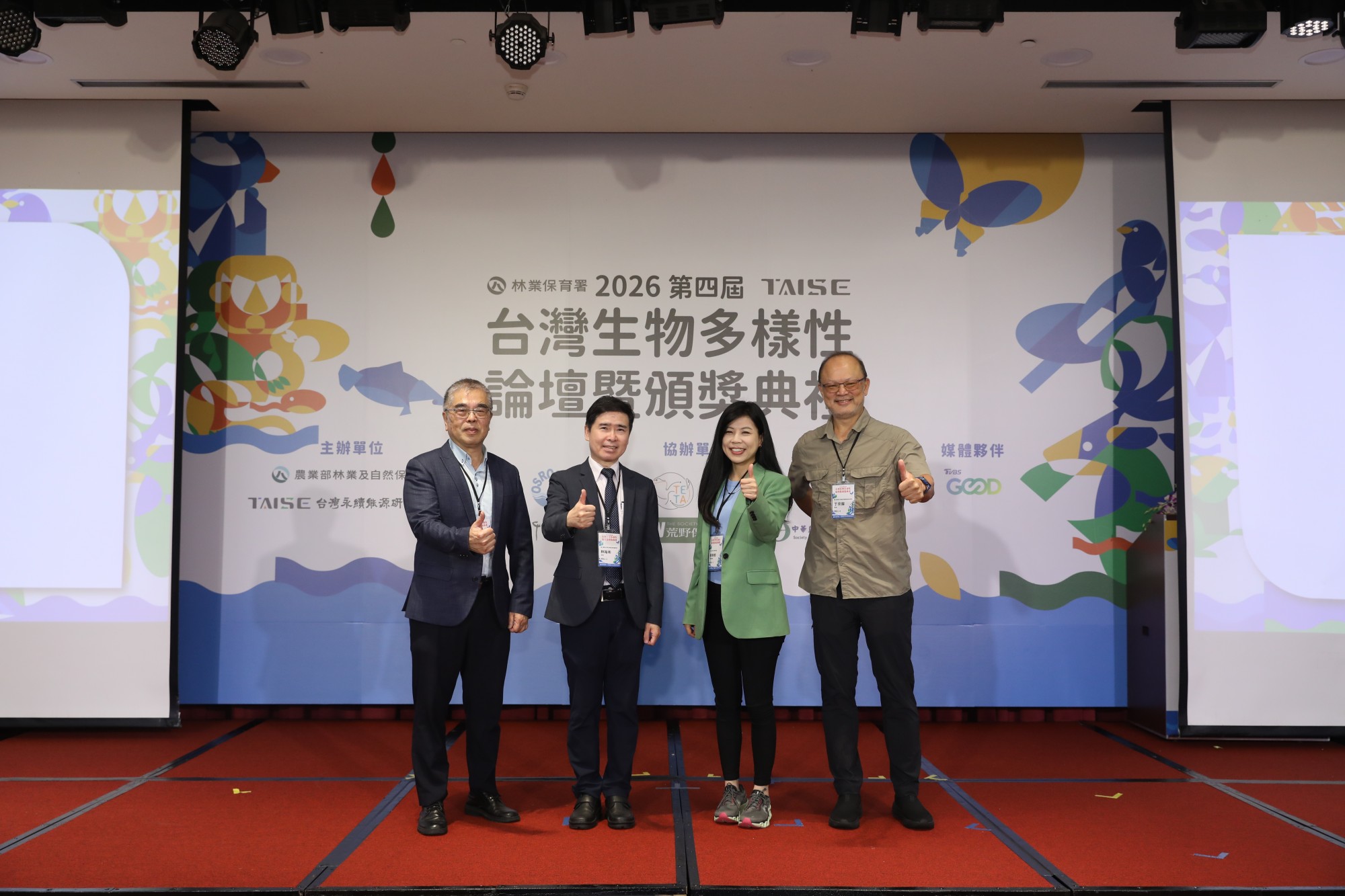
From left: Director Tsai of the NTU Experimental Forest, Dean Lin of the NTU College of Bioresources and Agriculture, Distinguished Professor Liu of National Chung Hsing University, and Professor Ting of the NTU School of Forestry and Resource Conservation.
Supply Chains Embrace Nature Transformation as Financial Governance Emerges as a New Corporate Priority
On the supply chain front, Chairman Lai of the Taiwan Sustainable Supply Association emphasized that 2026 has become a critical year for "evidence-based adaptation" in global supply chains. Companies must place transparent data and verifiable actions at the center of their strategies.
Secretary-General Mo of the Business Council for Sustainable Development of Taiwan further emphasized that international disclosure standards, including ISSB and ESRS, are increasingly converging. The traditional focus on "the impact of companies on nature" has shifted toward "the financial impact of nature-related risks on companies." Businesses should move beyond their sustainability departments to examine the connections between their operations and ecosystem services. They should integrate financial and risk management teams, elevate these issues to the board governance level, and make effective use of industry guidance to respond precisely to accountability requirements.
Regarding the scope of managing material nature-related risks, FSC Manager Huang explained that the familiar FSC tree logo represents a comprehensive system of certification standards covering forest management, chain of custody, and impacts on ecosystem services. These standards aim to ensure that forests are managed in ways that balance environmental, social, and economic considerations, providing sustainable forestry solutions that can continue for generations.
Beyond nature and ecological conservation, President Lee of the Association for Supply Chain Management Taiwan Roundtable also highlighted the importance of water. Particularly as the application of AI technologies continues to expand, companies must further develop solutions for water resource management and recycling to ensure operational resilience.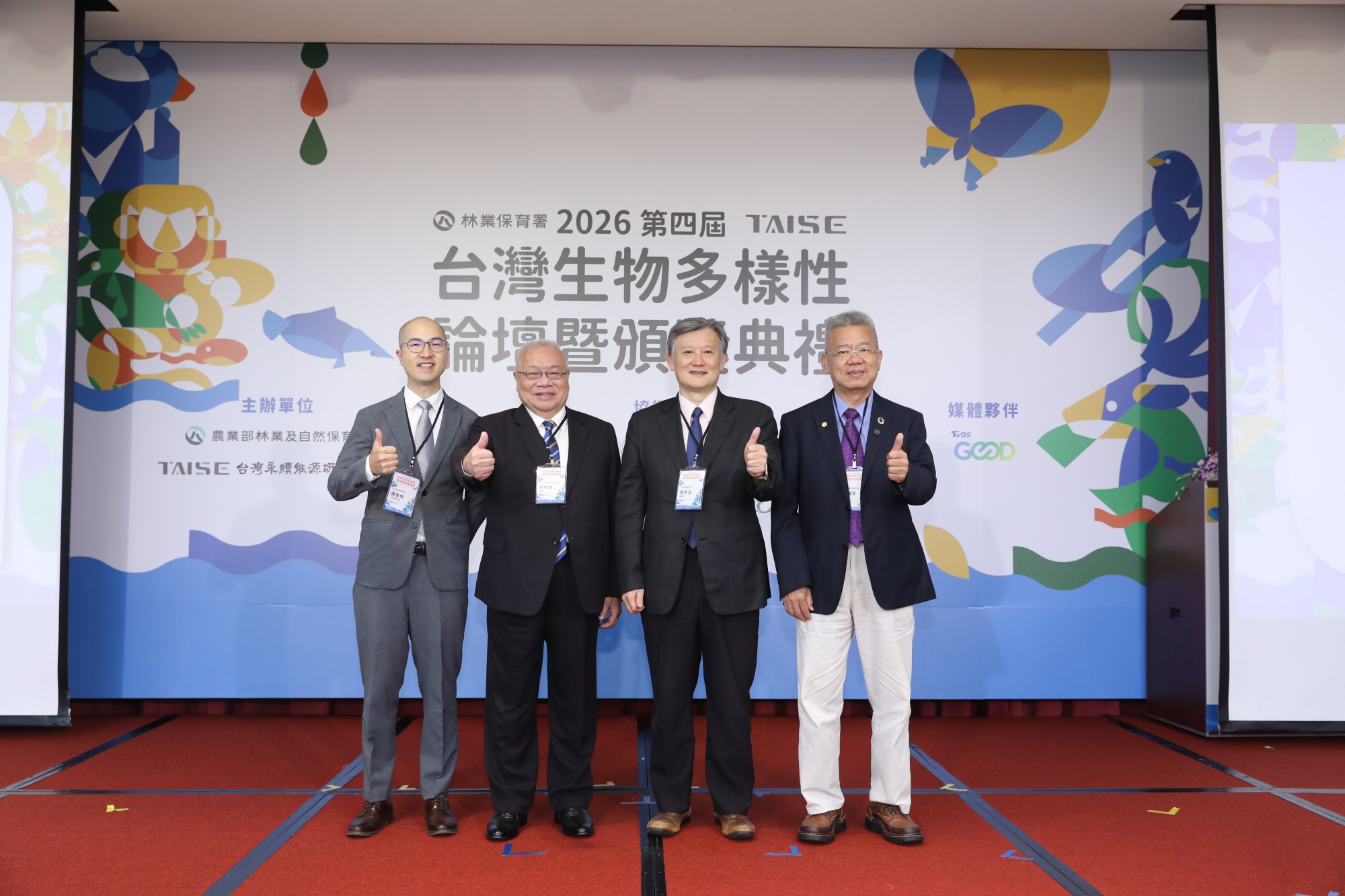 From left: FSC Manager Huang, Taiwan Sustainable Supply Association Chairman Lai, Business Council for Sustainable Development of Taiwan Secretary-General Mo, and Association for Supply Chain Management Taiwan Roundtable President Lee.
Public-Private Partnerships Turn Commitments into Action Through Cross-Sector Collaboration
E.SUN Financial Holding began adopting TNFD and publishing related reports in 2022. Its efforts have been recognized by award evaluators, earning Biodiversity Awards for three consecutive years and receiving the inaugural TNFD Report Gold Award this year. Associate Vice President Peng of its Risk Management Department shared practical experience and recommended that companies make greater use of ecological hotspot information published by government agencies. By overlaying relevant geographic data, companies can identify potential areas for action and subsequently apply TNFD recommendations alongside other assessment tools to establish management mechanisms for industries sensitive to natural environmental conditions. Such approaches not only provide references for internal risk management but also help strengthen operational resilience and create business opportunities, contributing to E.SUN's vision of becoming the most respected financial holding company.
Senior Manager Lee of Corporate Sustainability for Ørsted Asia Pacific, representing a winner in this year's for-profit organization category, emphasized the importance of moving beyond an engineering-focused mindset and maintaining ongoing dialogue and collaboration with stakeholders to turn concepts into practical action. She acknowledged that offshore wind farm construction and operations inevitably affect habitats and birds. However, the team has not only conducted research and monitoring to mitigate these impacts but has also actively supported seagrass bed and bird habitat restoration, as well as Taiwan's marine species database, transforming its role into that of a promoter of sustainable ecosystems.
Under the leadership of President Chao, Fo Guang University has mobilized the entire institution to implement the biodiversity framework across its campus and surrounding communities. CEO Chou of the university's Office of Sustainable Development shared that the university has partnered with local farms to promote circular agriculture and food and agriculture education. It has also integrated smart afforestation into campus courses and extended its conservation efforts to the ecosystem of the Annong River basin. The university plans to actively pursue OECM recognition for areas contributing to biodiversity conservation.
To encourage broader public attention to biodiversity, this year's forum also invited TVBS to participate. TVBS GOOD Sustainability Ambassador Chuang and Reporter Hsu guided participants through visual presentations showing current conditions affecting protected species and conservation sites in Taiwan and abroad. Reporter Hsu, who previously worked in corporate sustainability, recalled the profound impact of personally reporting from COP30 in Belém, Brazil. He encouraged companies not to focus solely on preparing reports but to step outside their offices and visit sites firsthand, where they could better understand what actions were needed. Sustainability Ambassador Chuang welcomed further dialogue with companies, emphasizing that collaboration among diverse partners can generate shared benefits.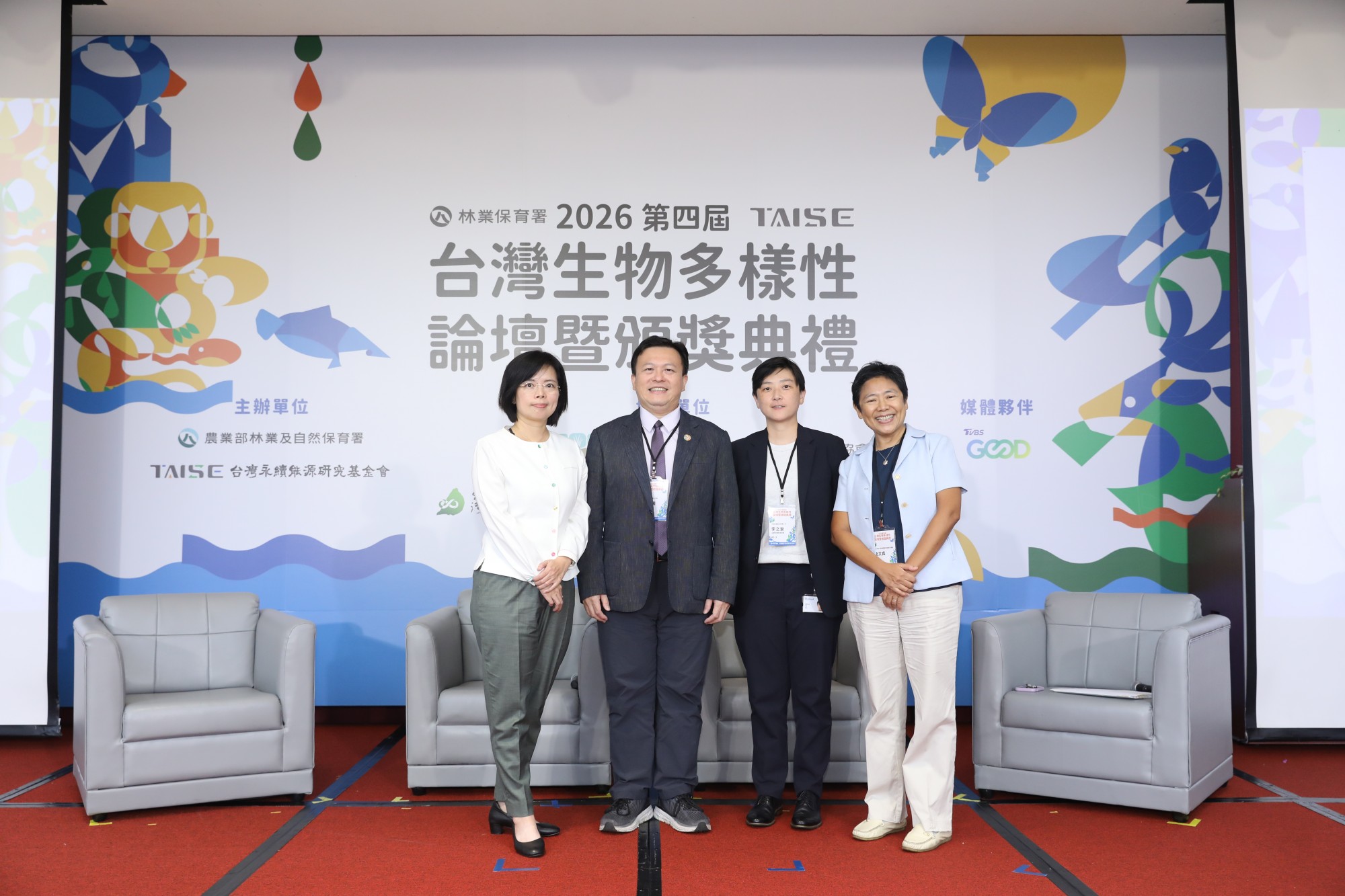
From left: E.SUN Financial Holding Associate Vice President Peng, Fo Guang University Associate Professor Chou, Ørsted Corporate Sustainability Senior Manager Lee, and Professor Shih of National Chengchi University's Department of International Business.
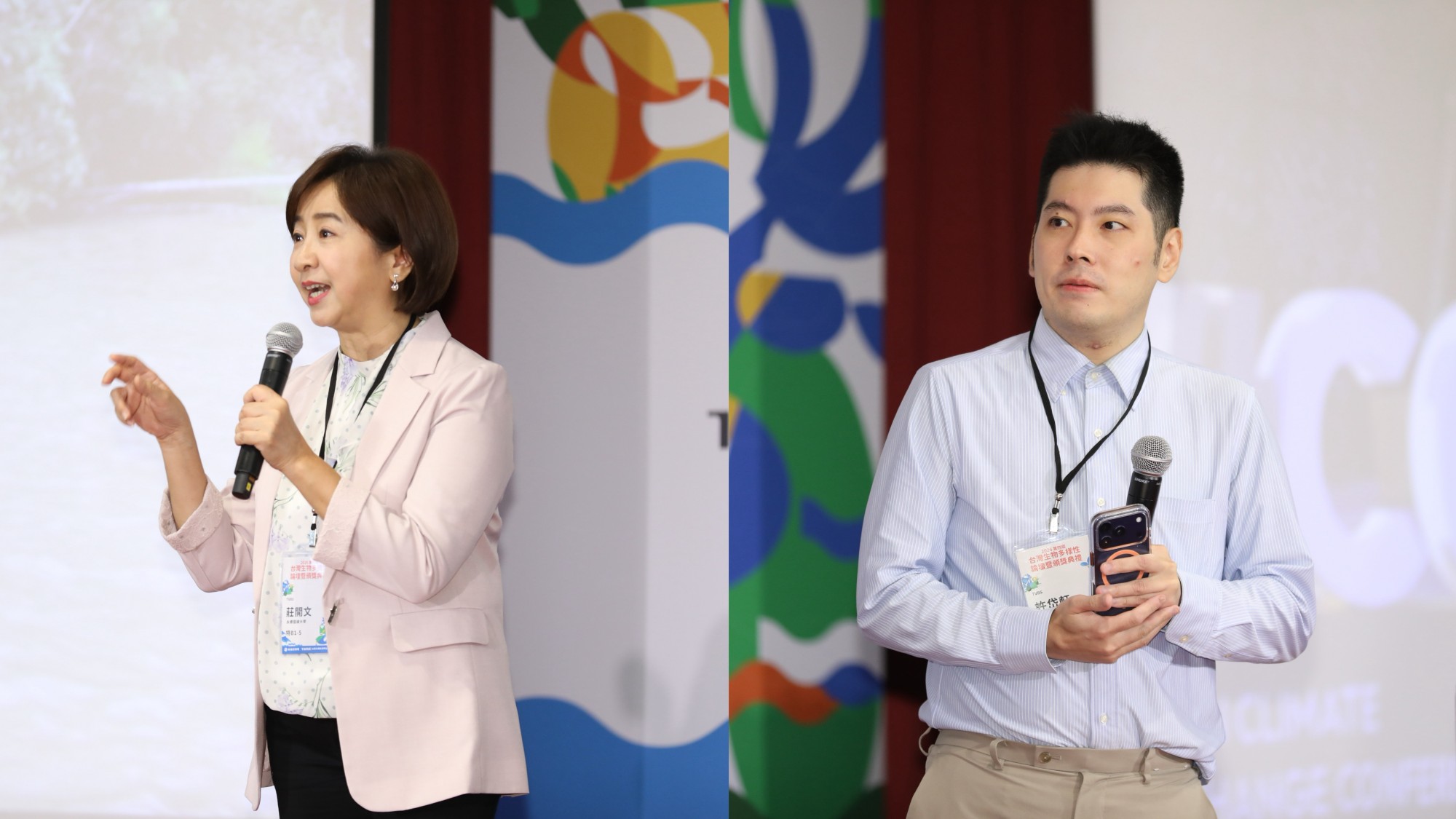
Special guests: TVBS Sustainability Ambassador Chuang (left) and TVBS International News Reporter Hsu (right).