2026 Taiwan Agricultural Sustainability Forum Advances Smart and Low-Carbon Farming
Technology Connects Smallholder Farmers to Build a New Sustainable Agricultural Value Chain
2026 Taiwan Agricultural Sustainability Awards Ceremony
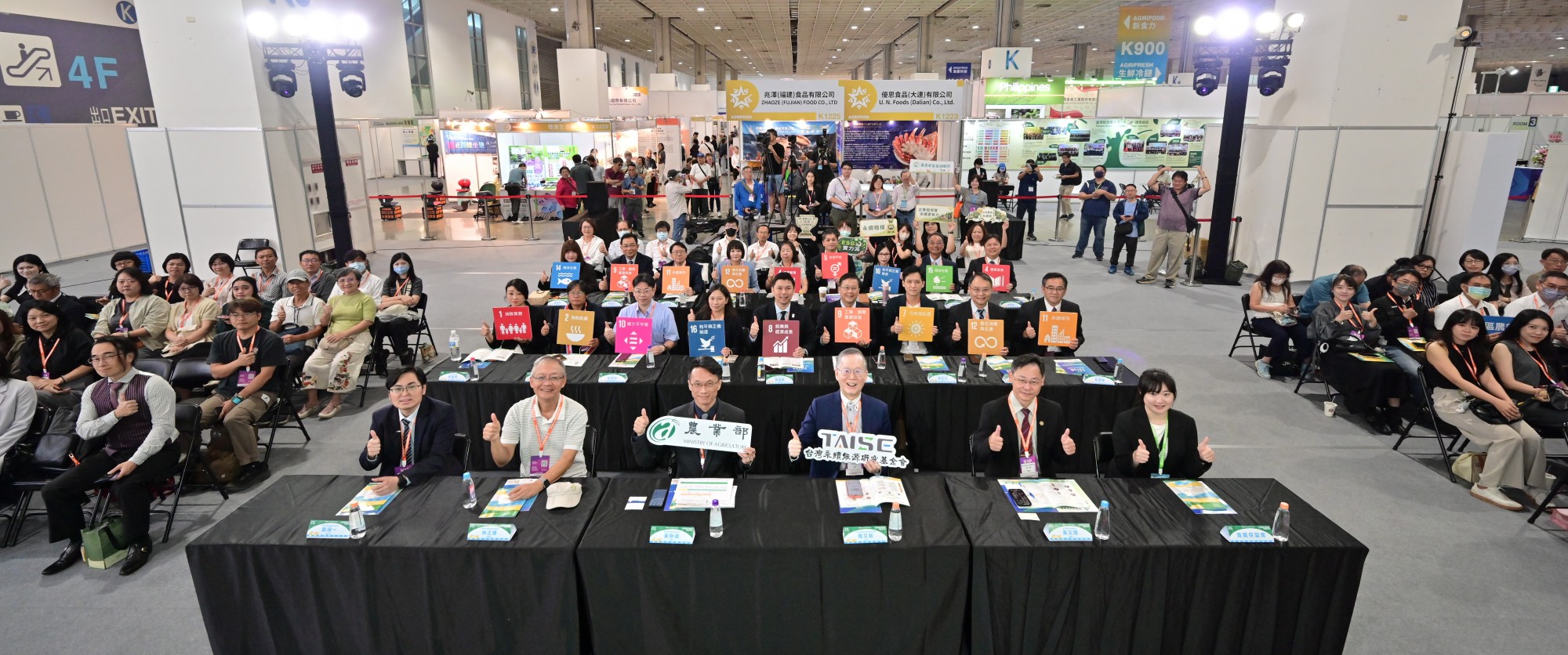
Amid extreme weather and constraints on production resources, balancing a stable food supply, environmental protection, and farmers' incomes has become a critical challenge in the transition toward sustainable agriculture. The Taiwan Institute for Sustainable Energy (TAISE) organized the "2026 Second Taiwan Agricultural Sustainability Forum and Awards Ceremony" at the Taipei Nangang Exhibition Center, attracting more than 100 participants in person and online. The event focused on low-carbon rice, agricultural resource circularity, Indigenous community industries, and responsible consumption. Through policy presentations and practical case studies, the forum demonstrated how sustainability principles can be implemented in field management, product development, and market distribution channels, while recognizing practitioners dedicated to sustainable agriculture.
Protecting the Long-Term Value of Land Through Technology and a Just Transition
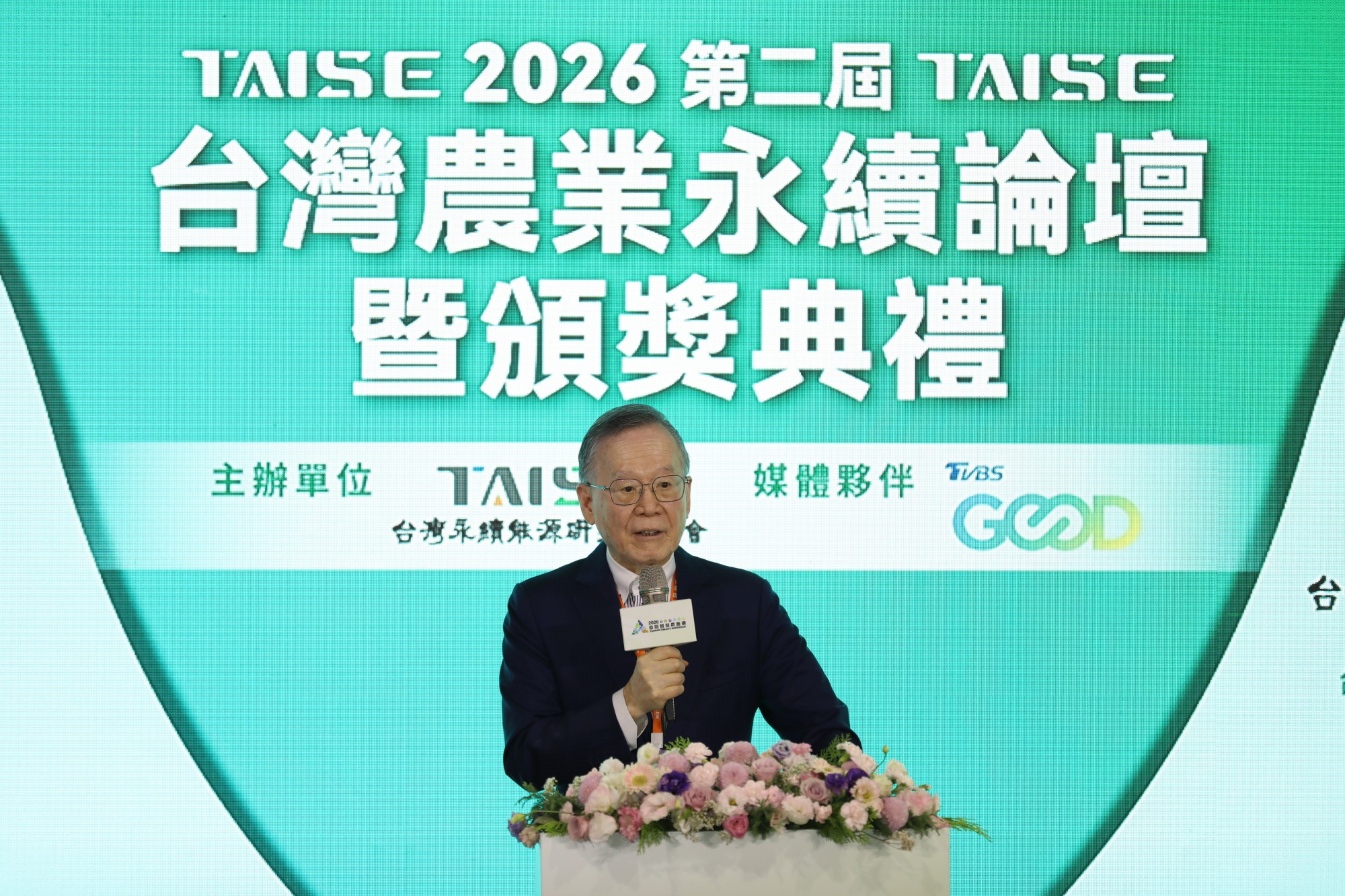
During his opening remarks, TAISE Chairman and Ambassador Chien proposed five key directions for sustainable agricultural development. First, enhance the long-term value of land by maintaining soil health and water resources. Second, promote low-carbon circular agriculture and establish carbon management systems. Third, apply technologies such as artificial intelligence (AI) and smart irrigation while supporting the participation of smallholder farmers to ensure a just transition. Fourth, establish sustainable production chains that connect upstream and downstream stakeholders. Fifth, integrate high-value agriculture, technological development, and cooperation with Indigenous peoples to expand the diverse value of agriculture.
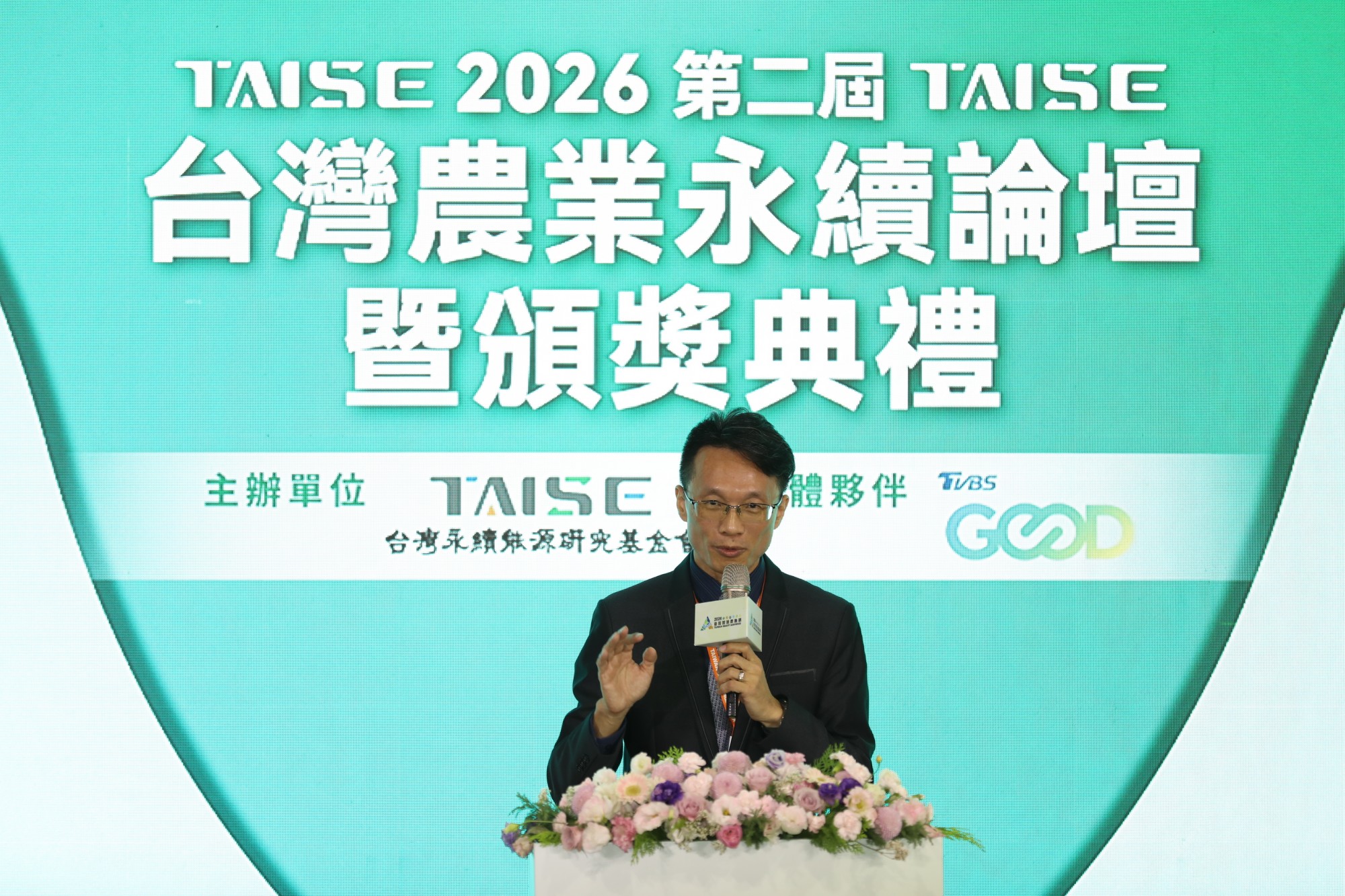
Director-General Huang of the Department of Resource Sustainability, Ministry of Agriculture, pointed out that the impact of extreme weather on agricultural production further highlights the importance of sustainable development. Transforming agricultural waste into valuable resources, such as developing biochar applications, represents an important direction for creating a circular economy. Echoing Ambassador Chien's expectations, he stated, "We are not only pioneers but also practitioners." In terms of policy implementation, the Ministry of Agriculture focuses on four major pillars: emissions reduction, carbon sequestration enhancement, circularity, and green trends. By combining low-carbon production, resource reuse, and corporate participation, the Ministry aims to advance climate adaptation and carbon reduction in agriculture.
Bringing Low-Carbon Rice to Market Through Field-Based Data
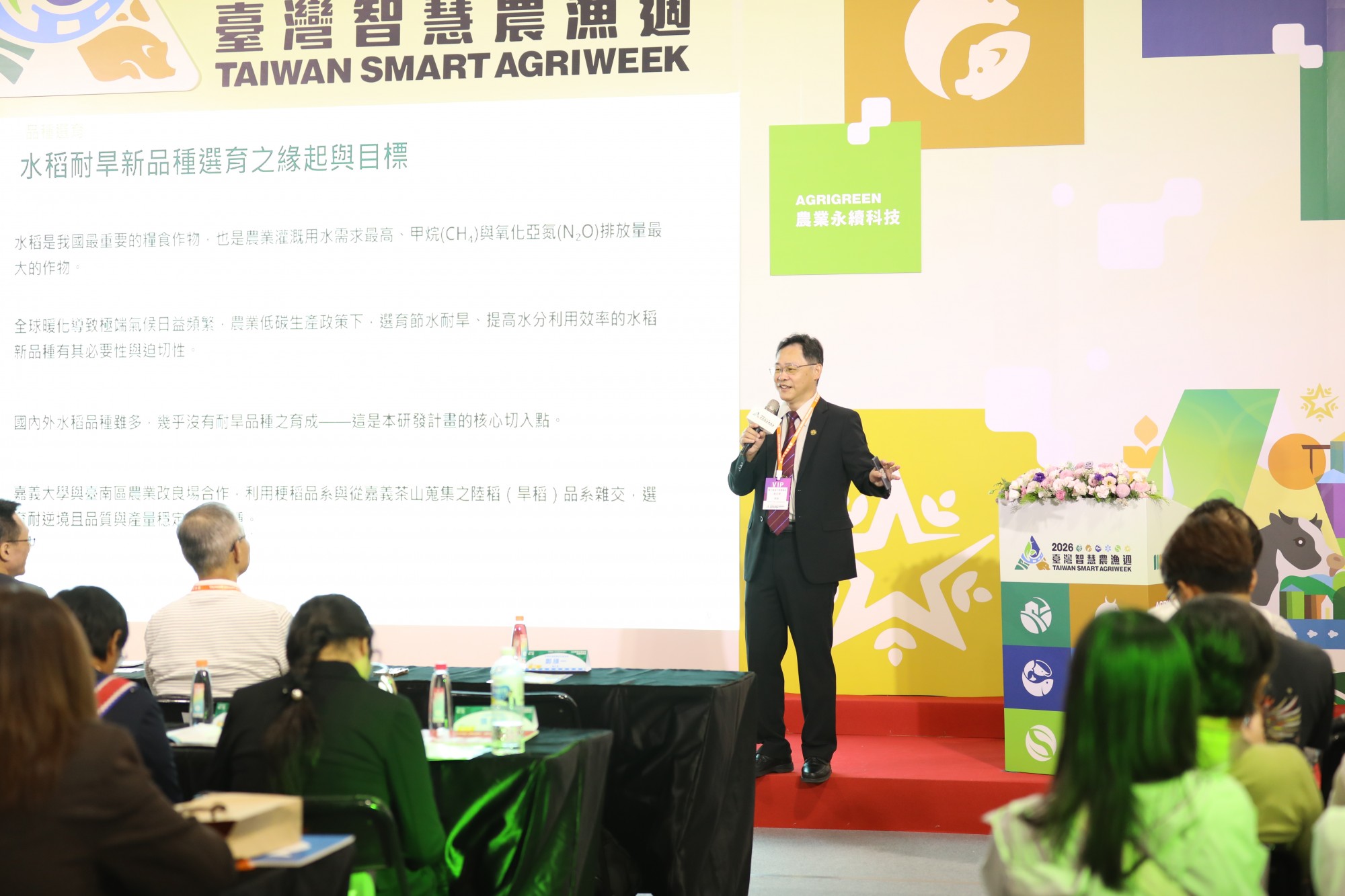
Reducing emissions from rice cultivation requires improvements in crop varieties, irrigation, and cultivation management, along with monitoring to assess actual outcomes. Professor Huang of the Department of Agronomy at National Chiayi University introduced low-carbon rice as an example. His team collaborated with the Tainan District Agricultural Research and Extension Station under the Ministry of Agriculture to develop drought-tolerant, water-saving rice varieties. By combining field water monitoring, greenhouse gas measurements, and carbon footprint assessments with technology transfer and distribution partnerships, the team has advanced the development of rice and processed rice products, gradually bringing research achievements to the market.
Smart management technologies are also being applied directly in agricultural production areas. Secretary-General Huang of the Wufeng District Farmers' Association in Taichung City shared that the association had established 45 "Farmland Sky Eye Monitoring Stations." Through field monitoring and irrigation management, these stations improve production efficiency, with measured results showing an average annual reduction of 34% in methane emissions. In addition, the association combines environmentally friendly and organic farming, farmland ecological conservation, and corporate rice field adoption programs. These initiatives translate corporate participation into concrete support for farmers and habitat protection, strengthening the foundation for cooperation in sustainable agriculture.

Connecting Indigenous Communities and Consumer Markets to Support Responsible Production
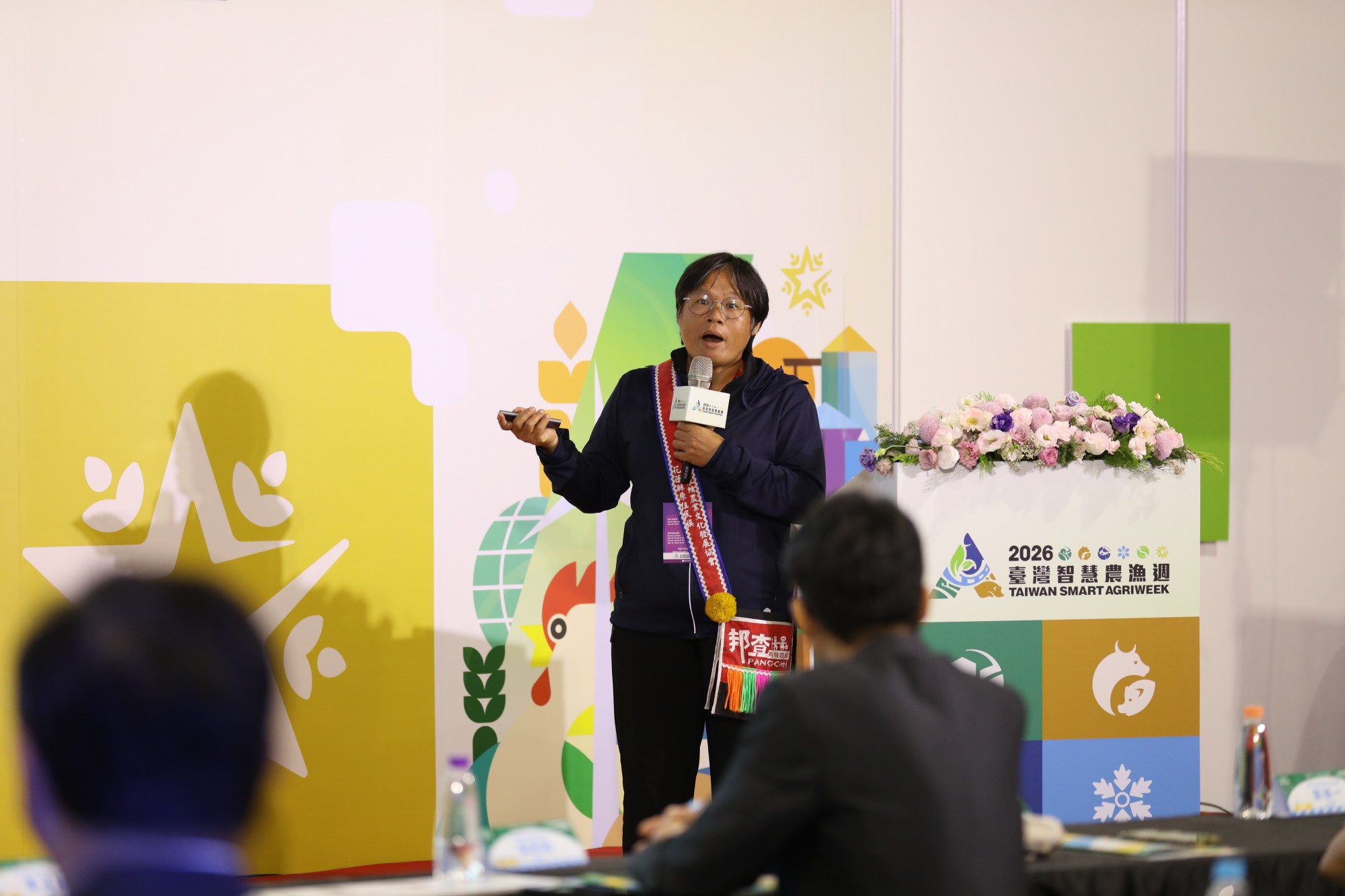
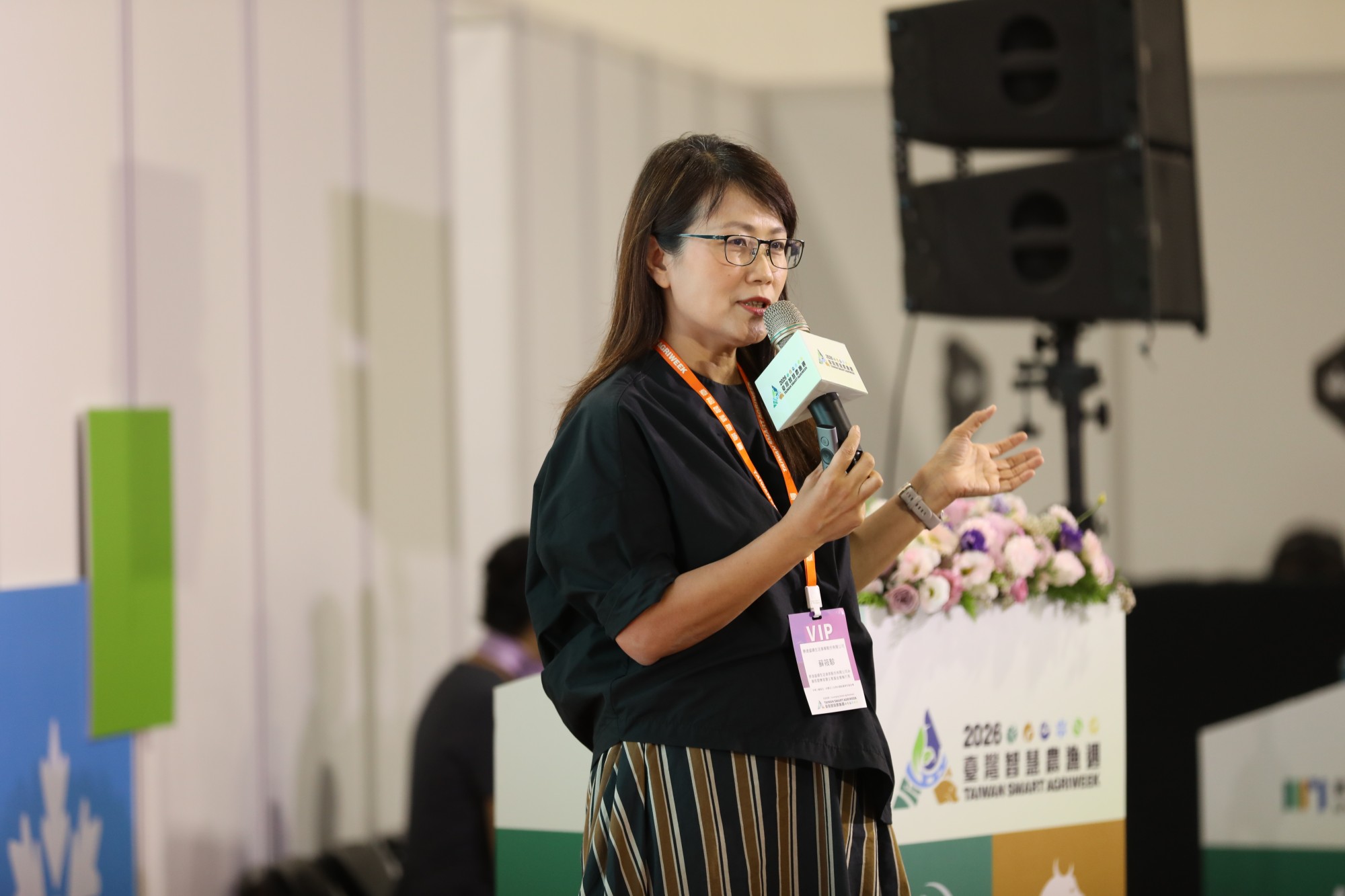
Agricultural sustainability also involves local employment, talent development, and cultural continuity. Founder and Director Su of Bangcha Farm shared experiences from Indigenous communities, explaining that agriculture can serve as a foundation connecting land, people, and communities through smallholder farmer networks, seed conservation, and food and agricultural education. Helping the public understand Indigenous cultures through food also enables traditional knowledge to be passed down through industrial development, demonstrating the value of Indigenous agriculture in supporting both livelihoods and cultural preservation.
For responsible production to achieve long-term development, understanding and support from consumers are equally important. Chief Sustainability Officer Su of Kangdashengtong Living Business Co., Ltd. delivered a presentation titled "The Retail Store Is the Largest Sustainability Classroom," sharing how distribution channels can promote cage-free eggs and biodiversity-friendly agricultural products. By integrating product information with food and agricultural education, retailers can help consumers understand the production methods behind product prices. Farm visits and local food and agricultural activities further bridge the gap between producers and consumers, turning everyday purchasing decisions into opportunities to support sustainable agriculture.
Recognizing Sustainable Agricultural Practices and Expanding Cross-Sector Collaboration
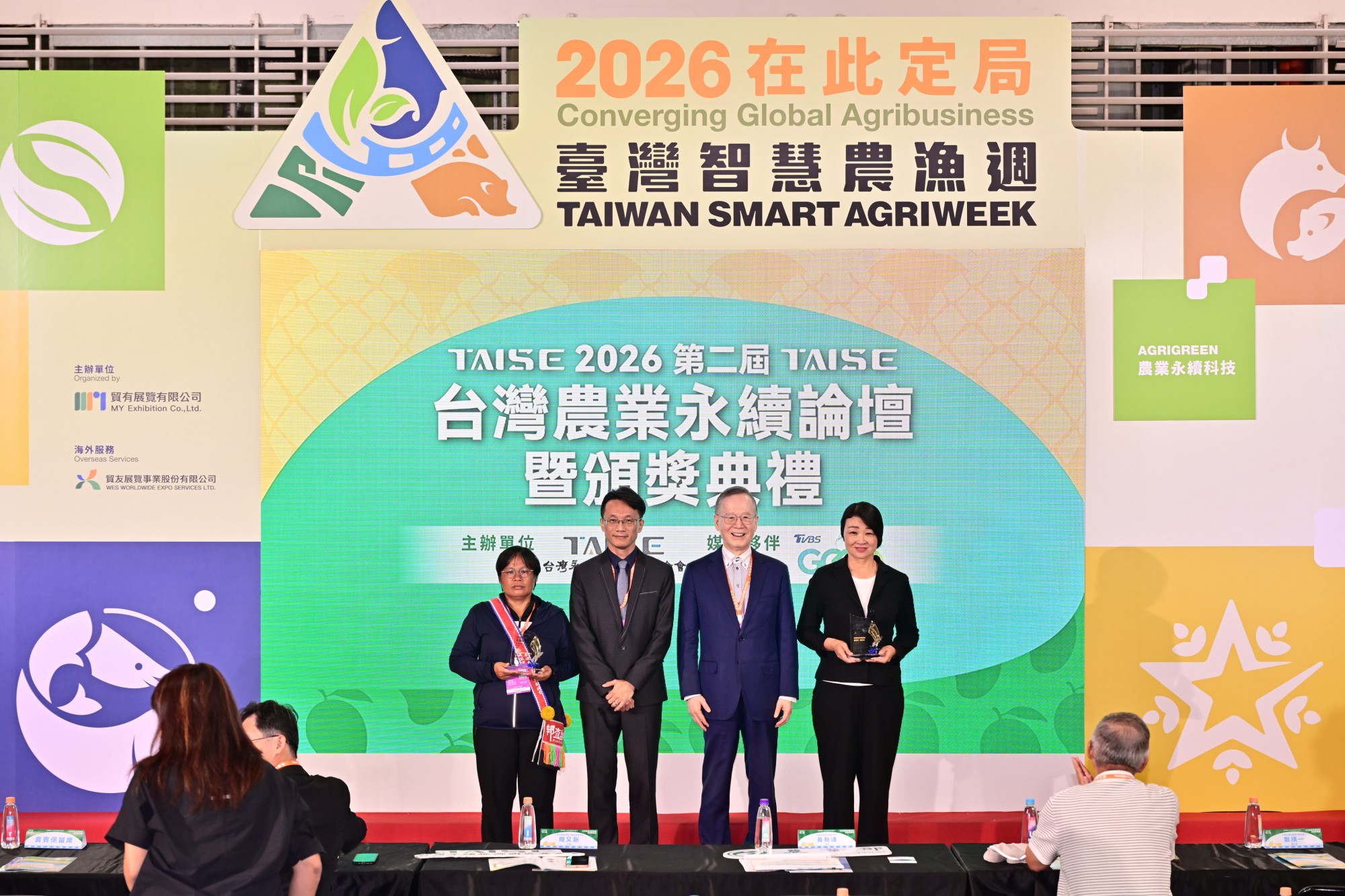
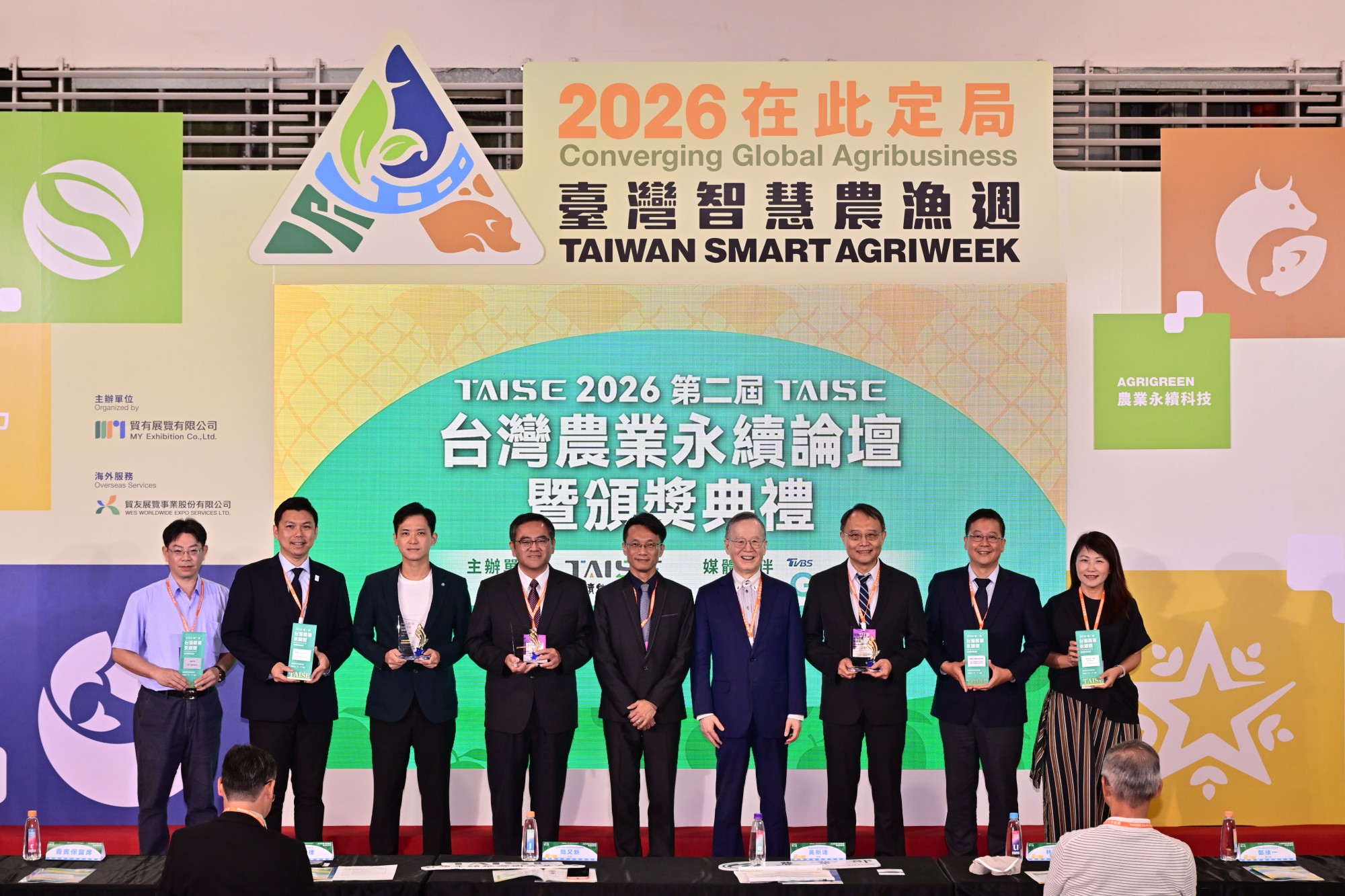
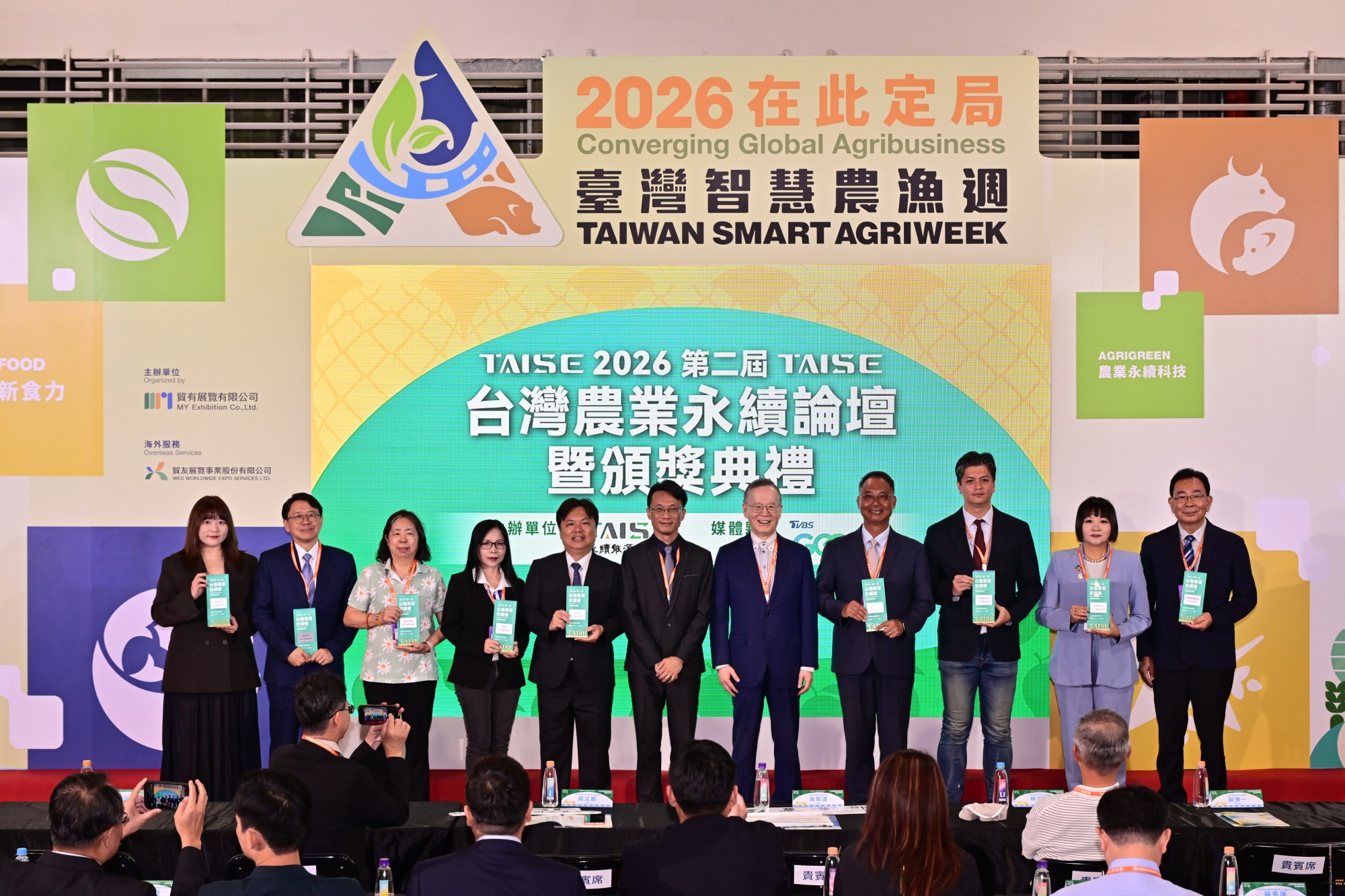
The event also featured the Taiwan Agricultural Sustainability Awards Ceremony, recognizing practitioners dedicated to research and development, production, operations, and promotion of sustainable agriculture. This year, two individuals received the "Outstanding Contribution to Sustainable Agriculture Award": Secretary-General Chang of the Fuli Township Farmers' Association in Hualien County, and Founder and Director Su of Bangcha Farm. In the "Agricultural ESG Comprehensive Performance Award," the Wufeng District Farmers' Association in Taichung City received the Excellence Award, the Taichung Branch of the Forestry and Nature Conservation Agency under the Ministry of Agriculture received the Model Award, and Dawushan Farm Technology Co., Ltd. received the Outstanding Performance Award.
Through the awards and forum discussions, diverse experiences from policymakers, academic and research institutions, farmers' associations, Indigenous communities, and distribution channels were brought together, highlighting the comprehensive support required for agricultural transformation. Technology can improve production, institutional mechanisms can measure outcomes, and market cooperation can encourage farmers to maintain their long-term commitment, allowing land conservation and agricultural operations to support one another over time.