Facebook
Contact Us
繁中
繁中
  • Judge
  • Contestants
  • About TCSA
    • About TCSA
    • TCSA Objectives
    • Judge List
    • Events
    • Media
  • TCSA
    • Taiwan Corporate Sustainability Awards
    • Taiwan University Sustainability Awards
    • Taiwan Health Sustainability Awards
    • Asia-Pacific SDGs Sustainable Exhibition Awards
    • Taiwan Sustainable Retail Management Awards
    • 2026 Taiwan Sustainable Agriculture Awards
    • 2026 Taiwan Sustainable Tourism Awards
    • 2026 Taiwan Corporate and Human Rights Award
    • 2026 Taiwan AI for SDGs Excellence Award
    • 2027 Taiwan Energy Sustainability Award
    • 2024 Download
  • APSAA&TSAA
    • APSAA Overview
    • APSAA Evaluation
    • APSAA Submission
    • APSAA Downloads
  • Judge Training
    • Corporate Sustainability Elite Training Program - Judge Class
    • Corporate Sustainability Elite Training Program – Corporate Customized Program
    • Asia-Pacific SDGs Sustainable Exhibition Awards – Judges Training Program
    • Volunteer Levels
    • Rights, Responsibilities and Standards for Selection
    • Recruitment Criteria
    • Recruitment Process and Assessment
    • Selection Objectives
    • Judging Benefits
    • Judge Training Class Q&A
    • Cancellation Notice of Certificate Serial Number
  • Previous TCSA
    • Awards Ceremony
    • Judging Committee
    • List of Winners
    • Achievements
    • Album
  • TAISE
前往主要內容
TCSA台灣企業永續獎

TCSA (Taiwan Corporate Sustainability Awards)

TAISE 繁中
  • About TCSA
    • About TCSA
    • TCSA Objectives
    • Judge List
    • Events
    • Media
  • TCSA
    • Taiwan Corporate Sustainability Awards
    • Taiwan University Sustainability Awards
    • Taiwan Health Sustainability Awards
    • Asia-Pacific SDGs Sustainable Exhibition Awards
    • Taiwan Sustainable Retail Management Awards
    • 2026 Taiwan Sustainable Agriculture Awards
    • 2026 Taiwan Sustainable Tourism Awards
    • 2026 Taiwan Corporate and Human Rights Award
    • 2026 Taiwan AI for SDGs Excellence Award
    • 2027 Taiwan Energy Sustainability Award
    • 2024 Download
  • APSAA&TSAA
    • APSAA Overview
    • APSAA Evaluation
    • APSAA Submission
    • APSAA Downloads
  • Judge Training
    • Corporate Sustainability Elite Training Program - Judge Class
    • Corporate Sustainability Elite Training Program – Corporate Customized Program
    • Asia-Pacific SDGs Sustainable Exhibition Awards – Judges Training Program
    • Volunteer Levels
    • Rights, Responsibilities and Standards for Selection
    • Recruitment Criteria
    • Recruitment Process and Assessment
    • Selection Objectives
    • Judging Benefits
    • Judge Training Class Q&A
    • Cancellation Notice of Certificate Serial Number
  • Previous TCSA
    • Awards Ceremony
    • Judging Committee
    • List of Winners
    • Achievements
    • Album
  •   Contestants
  • About TCSA
    關於永續獎
    About TCSA
    Home > About TCSA > Events
    2026.04.24

    2026 NGO/NPO Social Impact Workshop Focuses on Sustainable Governance

    2026 3rd NGO/NPO Social Impact Workshop

    NGO/NPO Social Impact Workshop


    To consolidate civil society sustainability capacity and expand social impact, the “2026 3rd NGO/NPO Social Impact Workshop,” organized by the Taiwan Institute for Sustainable Energy (TAISE) and guided by the Department of NGO International Affairs, Ministry of Foreign Affairs (MOFA), was held on the 20th at the Institute of Diplomacy and International Affairs, Ministry of Foreign Affairs. Through a hybrid format combining onsite and online participation, the event attracted a total of 557 participants (479 online and 78 onsite), demonstrating the growing momentum of cross-sector collaboration and knowledge sharing among NGO/NPO organizations.

    The workshop focused on three major themes: “Integrated Diplomacy,” “AI Empowerment,” and “Local Sustainability Practices.” In addition to showcasing the practical achievements of NGOs in international engagement and sustainability actions, the event further deepened issue-based dialogue, promoted cross-sector exchange and collaboration opportunities, and strengthened overall organizational impact and governance capabilities.

    Amid evolving global governance trends, the role of NGOs continues to expand. Kang, Deputy Executive Director of the Department of NGO International Affairs, Ministry of Foreign Affairs (MOFA), noted that Taiwan promotes “Integrated Diplomacy,” emphasizing interdepartmental collaboration and whole-of-society participation. Through the strategic framework of “Value-Based Diplomacy, Alliance Diplomacy, and Economic Diplomacy,” Taiwan continues strengthening international connections. NGOs have long been deeply engaged in healthcare, environmental, and social issues, serving not only as policy practitioners but also as important bridges for international advocacy and exchange, reflecting the crucial role of civil society within Taiwan’s diplomatic ecosystem.

    Facing limited resources and increasing disclosure pressures, digital tools have become critical support for organizational transformation. Lee, CEO of Sustaihub, shared that integrating AI into processes such as data collection, indicator alignment, content consolidation, and report generation can effectively reduce approximately 30% of production costs and save nearly half of operational time. This enables organizations to transform fragmented information into systematic sustainability impact reports. He further emphasized that human-AI collaboration remains fundamental, as professional judgment is essential to ensuring information quality and decision-making value.

    In terms of practical cases, multiple NGOs demonstrated tangible sustainability outcomes and social contributions. The Buddhist Tzu Chi Charity Foundation enhanced resource efficiency and environmental impact through fully green-energy-powered charging stations and volunteer network operations. The Hondao Senior Citizen’s Welfare Foundation addressed aging society challenges and climate risks by building community heat-resilience support systems while integrating circular economy initiatives into its service model. Meanwhile, the Farglory Culture and Charity Foundation leveraged its construction expertise to complete repairs for 92 schools and institutions, improving learning environments for over 13,000 students and demonstrating the practical benefits of integrating corporate expertise with public welfare initiatives.

    At the institutional level, TAISE Secretary-General Shen further explained the evaluation indicators of the Taiwan Corporate Sustainability Awards (TCSA), emphasizing that systematic evaluation and case analysis can guide NGO/NPO organizations in improving disclosure transparency and governance quality. During the panel discussion, participants also exchanged perspectives on impact measurement, cross-sector collaboration, and resource integration, generating collective insights through diverse viewpoints and dialogue.

    Overall, the workshop not only showcased the diverse sustainability practices of NGO/NPO organizations, but also promoted the transition of civil society organizations from “service providers” to “governance participants” through data-driven tools, systematic evaluation, and cross-sector dialogue. Moving forward, as international engagement deepens and impact management continues to evolve, NGO/NPO organizations are expected to play increasingly important roles in advancing global sustainable development.
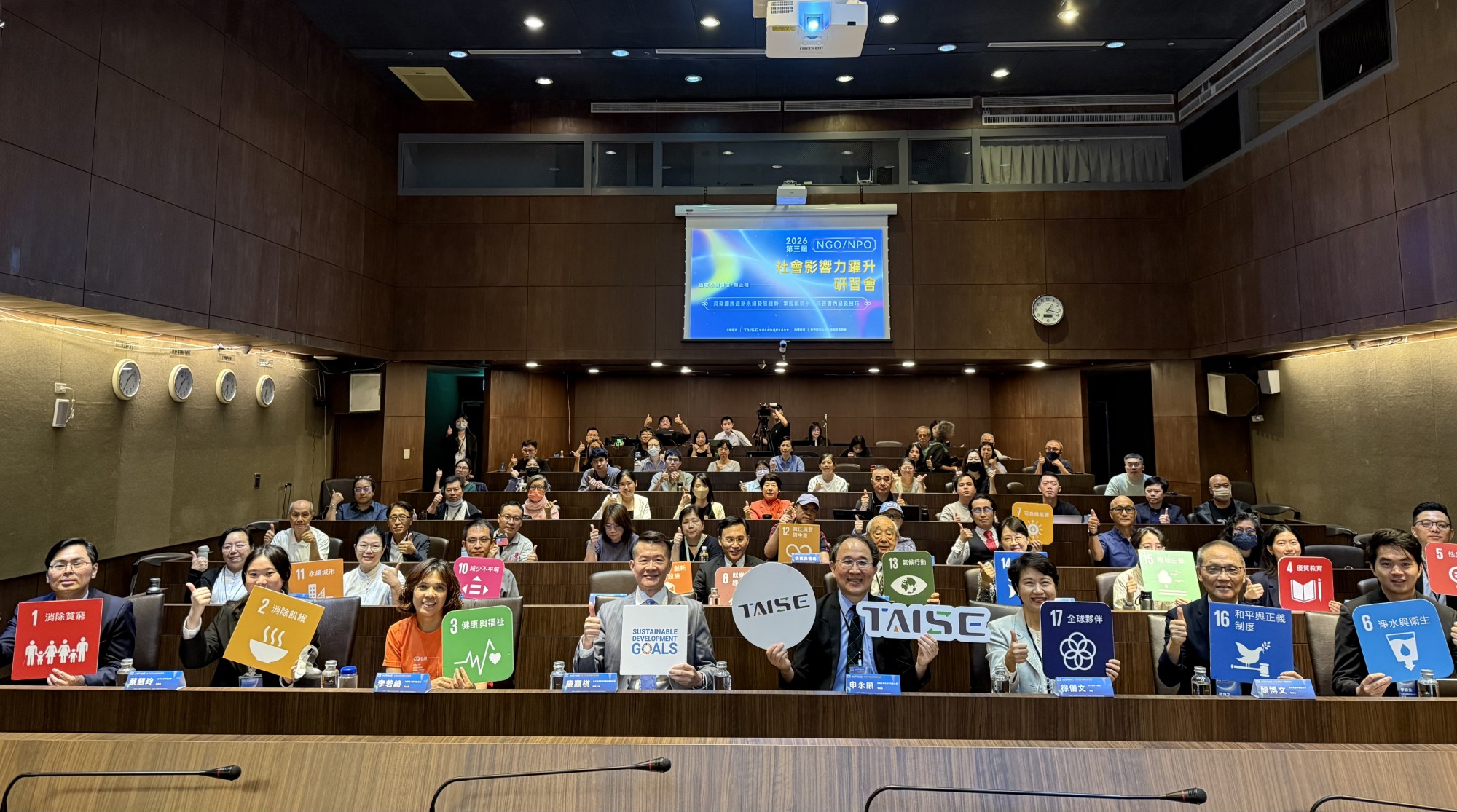
    NGO organizations gathered together to participate in the “2026 3rd NGO/NPO Social Impact Workshop.” Through expert lectures, case sharing, and group discussions, participants explored current social issues and innovative solutions while strengthening organizational connections and cross-sector collaboration opportunities to further enhance collective social impact.
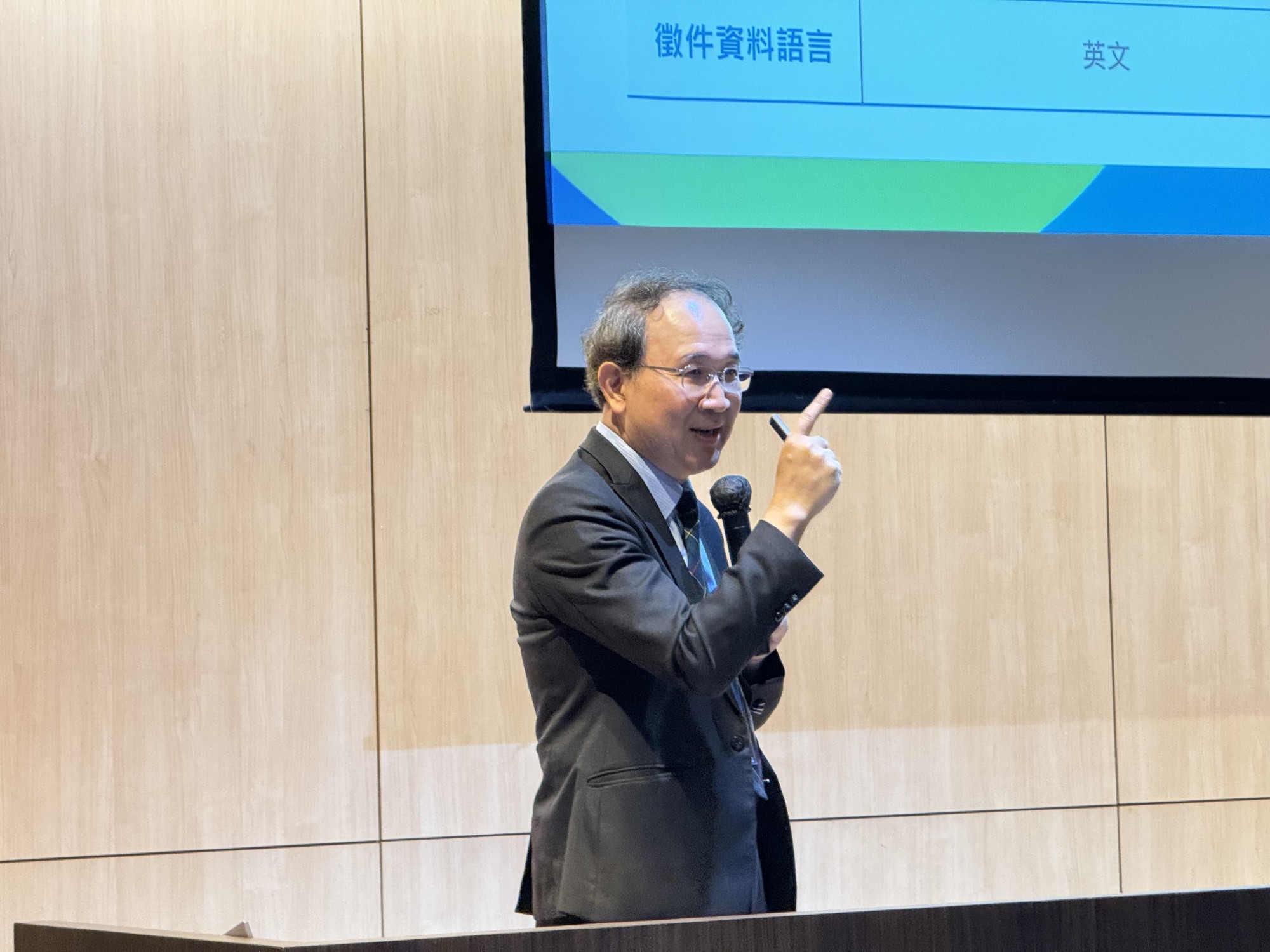
    TAISE Secretary-General Shen stated that TAISE will continue encouraging NGOs to strengthen partnerships through resource sharing, experience exchange, and cross-sector collaboration, building more resilient cooperative networks to expand social impact and promote sustainable development.
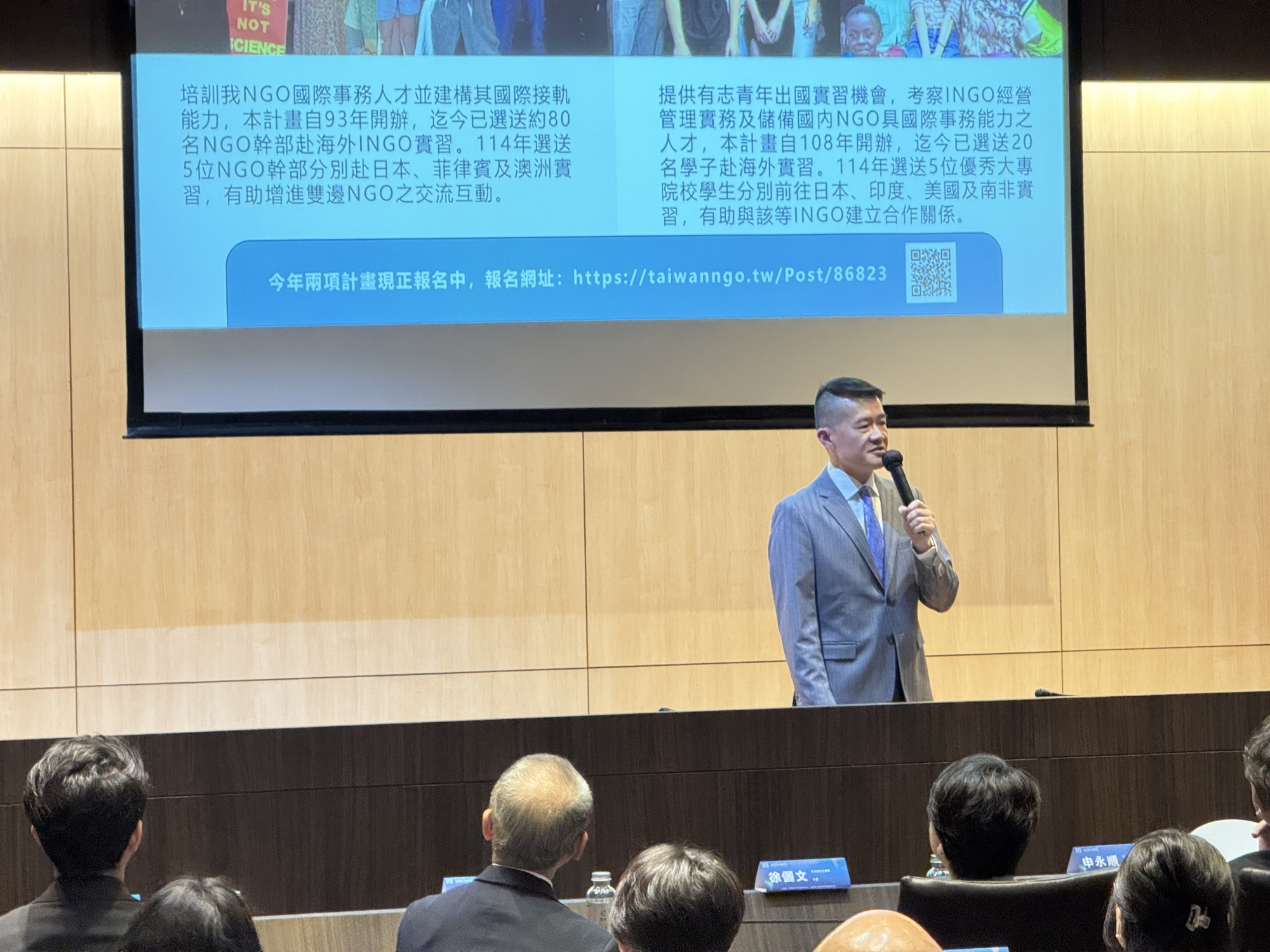
    Kang, Deputy Executive Director of the Department of NGO International Affairs, Ministry of Foreign Affairs (MOFA), shared insights on Taiwan’s NGO diplomatic achievements and future outlook under the framework of Integrated Diplomacy.
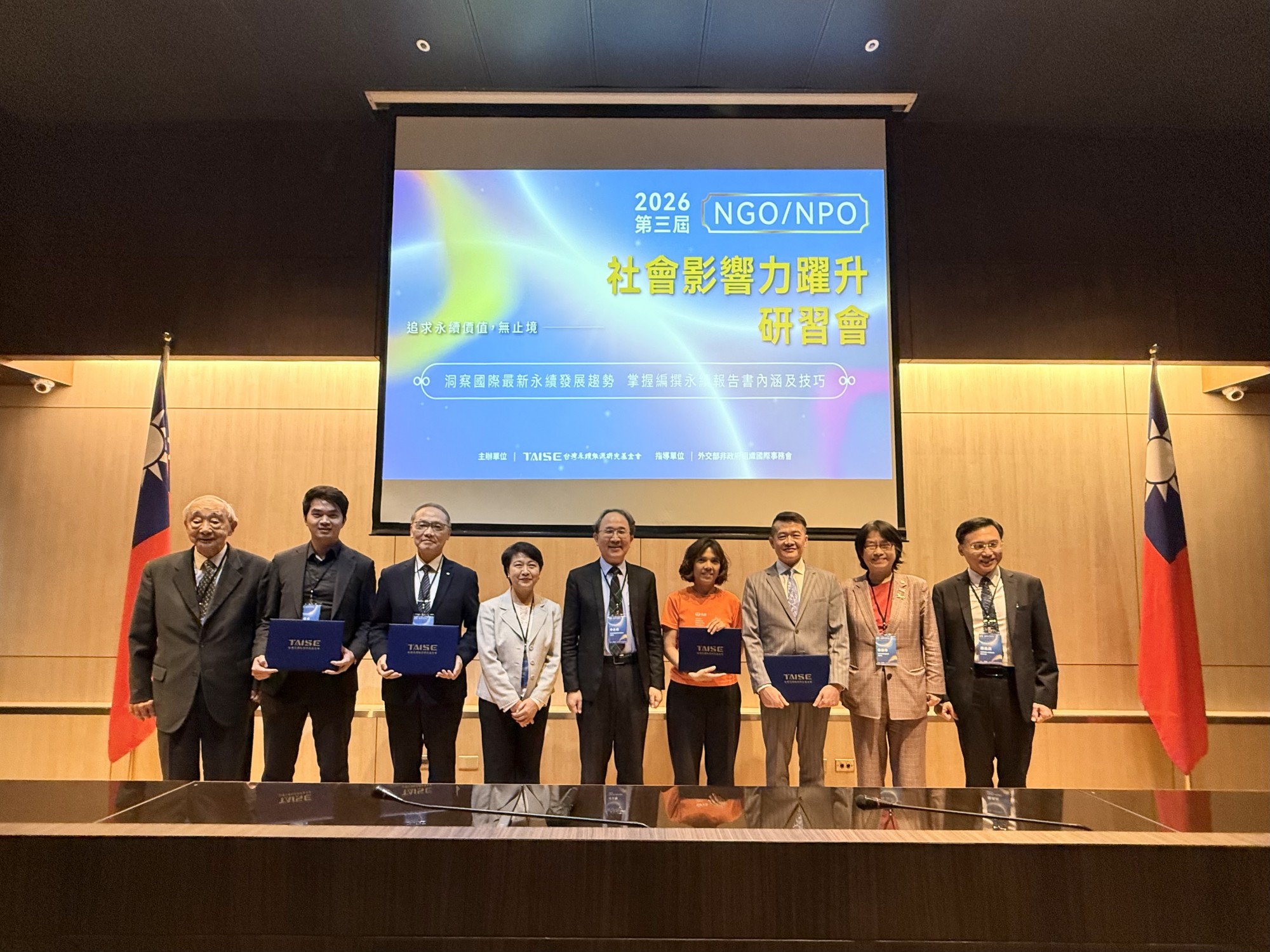
    Distinguished guests gathered at the workshop, including Chairman Meng of Hwa Hsia University of Technology, CEO Lee of Sustaihub, CEO Yen of the Buddhist Tzu Chi Charity Foundation, Ambassador Hsu of the Institute of Diplomacy and International Affairs, TAISE Secretary-General Shen, CEO Lee of the Hondao Senior Citizen’s Welfare Foundation, Deputy Executive Director Kang of the Department of NGO International Affairs, Ministry of Foreign Affairs (MOFA), Chairperson Tsai of the Foundation for Yunus Social Business Taiwan, and Deputy Executive Director Hsiao of the Association for Victims Support. Together, they contributed strong momentum toward advancing social impact development in Taiwan.
    Back
    TCSA (Taiwan Corporate Sustainability Awards)
    Taiwan Institute for Sustainable Energy (TAISE)
    Rm. 2, 4F/1CRoom, No, 188,Sec. 5, Nanjing E. Rd., Songshan Dist.,Taipei City 105411, Taiwan, R.O.C.
    TWCA
    Taiwan Institute for Sustainable Energy.All rights reserved.
    Power by Acart eCommerce:: Host